Tag: self-advocacy skills development
-
Preparing for Success: Transition Planning for Students with IEPs

Transition Planning for Students with IEPs Transition planning is an essential component of Individualized Education Programs (IEPs) for students with disabilities. It involves preparing students to successfully transition from school to post-secondary life, which may include further education, employment, and independent living. Transition planning helps students set goals and develop the skills necessary for a…
-
“Empowering Success: Key Components for Effective Transition Planning in IEPs”

Transition planning for students with IEPs: Transition planning is a critical component of an Individualized Education Program (IEP) for students with disabilities. It aims to prepare these students for life after high school by setting goals and identifying the necessary supports and services to help them achieve those goals. Here are some key considerations for…
-
“Unlocking Potential: Nurturing Neurodiversity in Education for Success and Inclusion”

Sensory processing differences, also known as sensory processing disorder (SPD), refer to difficulties in how the nervous system receives and responds to sensory information from the environment. This can affect individuals across various age groups and may manifest differently for each person. Sensory processing differences can impact daily life activities, including learning and social interactions.…
-
“Empowering Success: The Crucial Components of Individualized Education Programs (IEPs) for Students with Disabilities”
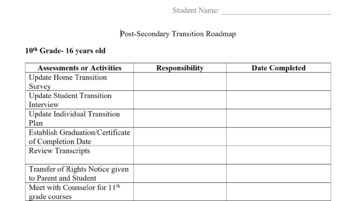
Transition planning is a crucial component of Individualized Education Programs (IEPs) for students with disabilities. This process involves identifying and implementing strategies to help students smoothly transition from one educational setting to another, such as moving from elementary school to middle school or transitioning into post-secondary education or employment. Transition planning in IEPs includes setting…
-
Navigating the Transition: Mentoring Strategies for Alternative Schooling Success

Mentoring Strategies to Support Students’ Transition from Traditional to Alternative Schooling Introduction: Transitioning from traditional schooling to alternative schooling can be a challenging process for students. Alternative schools offer unique educational approaches that may differ significantly from what students are accustomed to in traditional schools. To ensure a smooth transition, it is crucial to implement…
-
Empowering Students with IEPs: Unlocking Potential through Inclusive Education
Inclusive Education: Empowering Students with Individualized Education Plans (IEPs) Education is a fundamental right for every child, regardless of their abilities or disabilities. Inclusive education aims to provide equal opportunities for all students, including those with Individualized Education Plans (IEPs). An IEP is a personalized plan that outlines the educational goals and accommodations needed to…
 Alternative Amie