Tag: self-advocacy skills
-
Empowering Students: The Key to Self-Advocacy Skills in Alternative Education
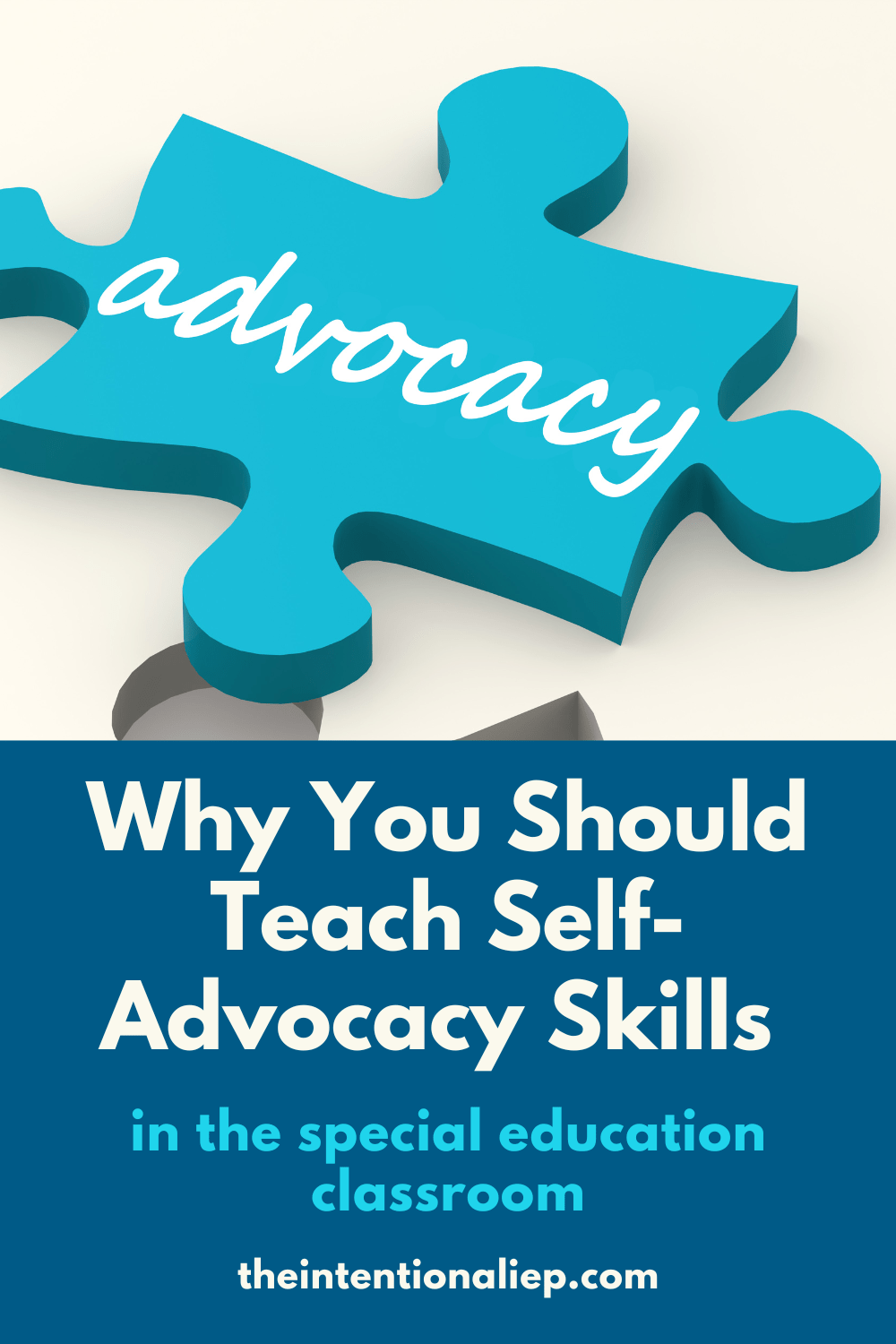
Self-advocacy skills development is a crucial aspect of alternative schooling and education. It empowers students to understand their own strengths and weaknesses, communicate their needs effectively, and take charge of their learning experiences. By fostering self-advocacy skills in students, educators can help them become confident, independent learners who are better equipped to navigate the challenges…
-
Empowering Students: Top 10 Self-Advocacy Skills for Success

Self-advocacy skills training is a crucial aspect of education that empowers students to speak up for themselves, understand their rights, and effectively navigate various situations in school and beyond. Here are the top 10 key self-advocacy skills that can be developed through proper training: 1. **Understanding Personal Needs:** Self-advocacy begins with recognizing one’s strengths, challenges,…
-
“Double the Credit, Double the Opportunities: The Rise of Dual Enrollment Programs for High School Students”

Dual enrollment programs have gained popularity in recent years as a way for high school students to get a head start on their college education. These programs allow students to take college-level courses while still enrolled in high school, earning both high school and college credit simultaneously. While dual enrollment programs were initially designed for…
-
“Empowering Success: The Essential Elements of Individualized Education Plans (IEPs) for Students with Disabilities”

Transition planning for students with Individualized Education Plans (IEPs) is a crucial aspect of ensuring their successful journey from school to post-school life. IEPs, which are legal documents that outline the specific educational goals and supports for students with disabilities, must include a clear plan for transitioning into adulthood. Transition planning begins as early as…
-
Navigating Success: Transition Planning and Support for Students with IEPs
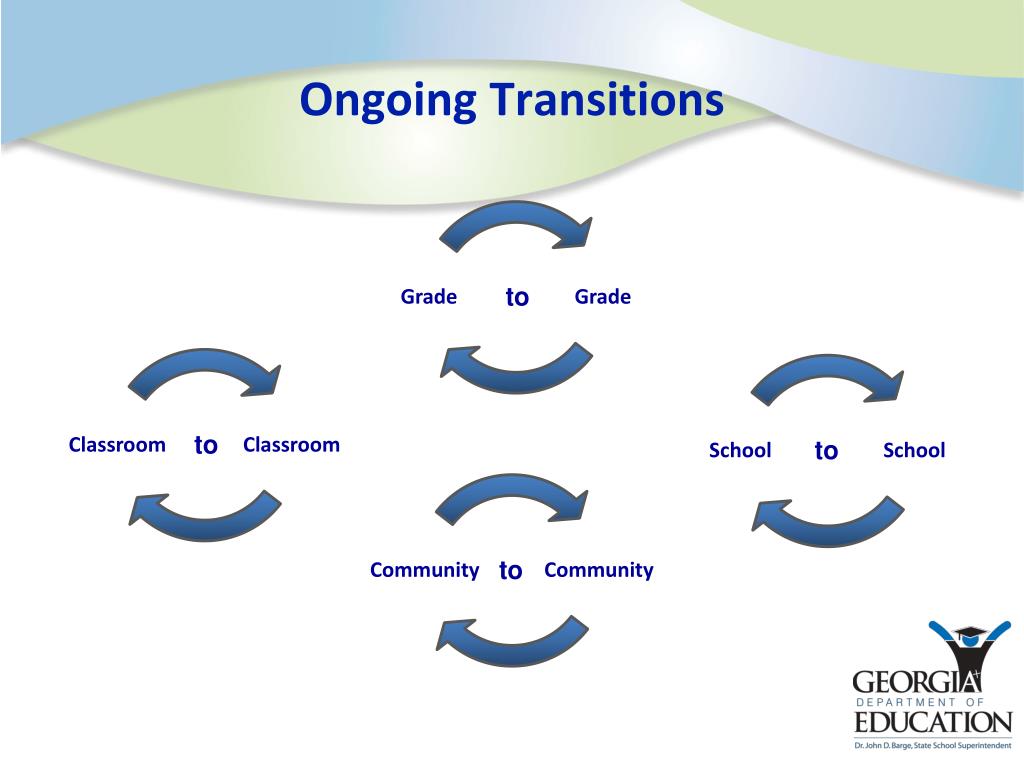
Transition Planning for Students with IEPs Transition planning is a crucial component of the Individualized Education Program (IEP) process for students with disabilities. The goal of transition planning is to help students successfully move from school to post-secondary education, employment, and independent living. By providing appropriate supports and services, educators can empower students with disabilities…
-
Unlocking the Potential: Supporting Neurodivergent Individuals through Sensory Processing Differences

Sensory processing differences in neurodivergent individuals Neurodiversity refers to the concept that neurological differences, such as autism, ADHD, and dyslexia, are natural variations of the human brain rather than deficits or disorders. These differences can impact various aspects of daily life, including sensory processing. Sensory processing is the way our nervous system receives and responds…
-
“Unlocking Potential: The Key Elements of Effective Individualized Education Programs (IEPs)”
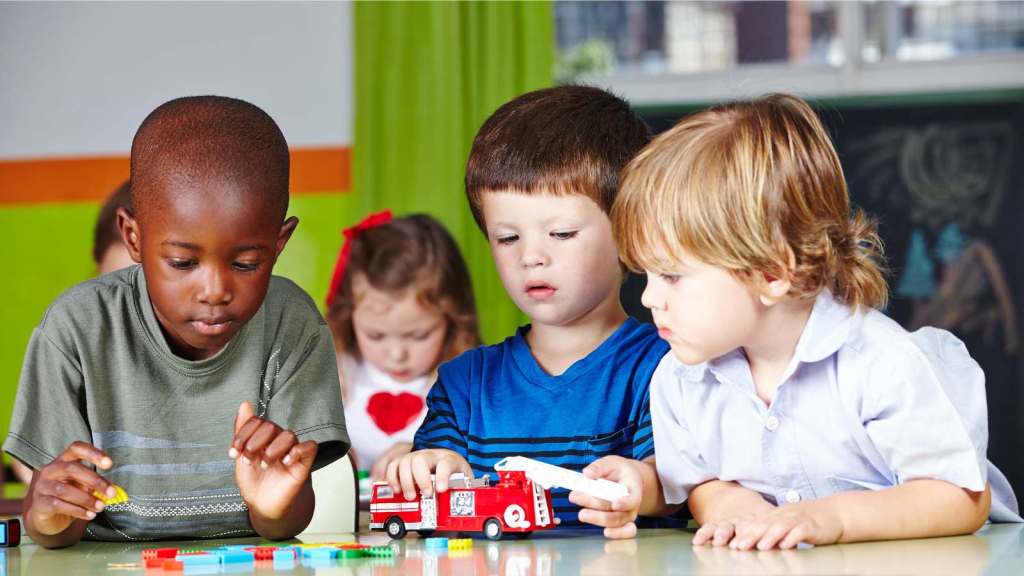
Differentiating instruction is a crucial aspect of supporting students with diverse learning needs. It involves tailoring teaching methods, materials, and assessments to meet the individual strengths, interests, and challenges of each student. By doing so, educators can ensure that all students are engaged and able to make progress. Assistive technology plays a significant role in…
-
Unlocking the Potential: Supporting Students with Dyslexia and Alternative Learning Styles

Understanding Dyslexia and How to Support Students with Alternative Learning Styles Introduction: Dyslexia is a learning difference that affects the way individuals process language. It is estimated that around 15-20% of people have dyslexia to some degree, making it one of the most common learning disorders. While dyslexia poses challenges in reading, writing, and spelling,…
-
Embracing Neurodiversity: Redefining Intelligence and Success in Education

Neurodivergent Perspectives on Intelligence and Success In traditional education systems, the concept of intelligence is often narrowly defined, leaving little room for individuals who think differently. However, alternative schooling and education approaches aim to challenge these mainstream notions by embracing neurodiversity and recognizing the unique strengths and abilities of all students. Neurodivergent individuals encompass a…
-
Blended Learning: Empowering Students with Special Needs
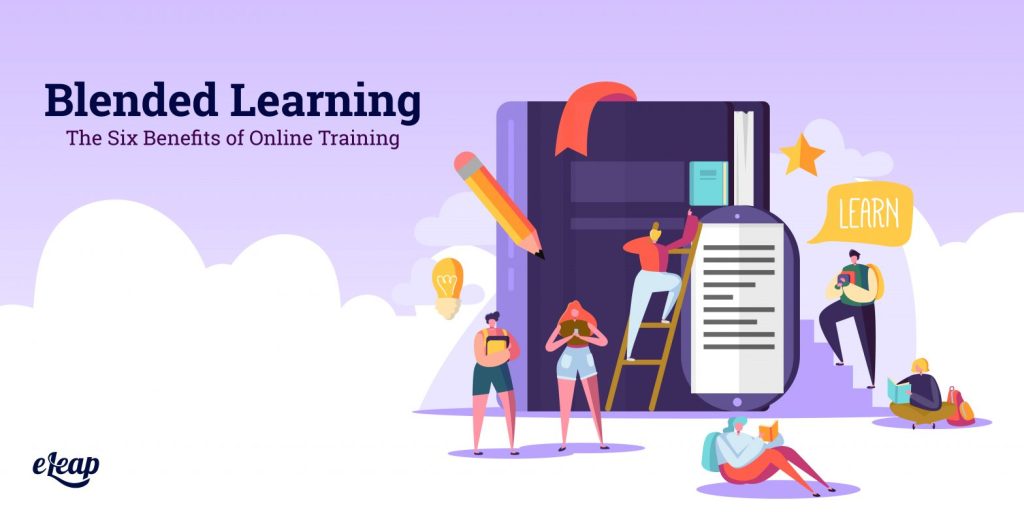
Blended Learning for Students with Special Needs: A Promising Approach Introduction: In recent years, the field of education has witnessed a significant shift towards alternative methods of learning. Blended learning, which combines traditional face-to-face instruction with online and digital resources, has gained popularity among educators due to its flexibility and personalized approach. While blended learning…
 Alternative Amie