Tag: reflection and self-assessment
-
Empowering Student Engagement Through Innovative Teaching Strategies

Student Engagement: Student engagement is crucial for effective learning experiences. Engaged students are more likely to be motivated, focused, and invested in their education. To promote student engagement, educators can incorporate interactive activities, real-world examples, hands-on projects, and opportunities for student choice and voice in the classroom. By creating a stimulating and inclusive learning environment,…
-
Empowering Education: Innovative Approaches for Holistic Development

Inquiry-based learning is a powerful educational approach that encourages students to ask questions, explore topics of interest, and seek out answers through research and experimentation. This method promotes critical thinking, problem-solving skills, and a deeper understanding of the subject matter. Student-led projects are another valuable tool in education as they empower students to take ownership…
-
Assessing Problem-Solving Skills in Alternative Schooling: Strategies and Methods
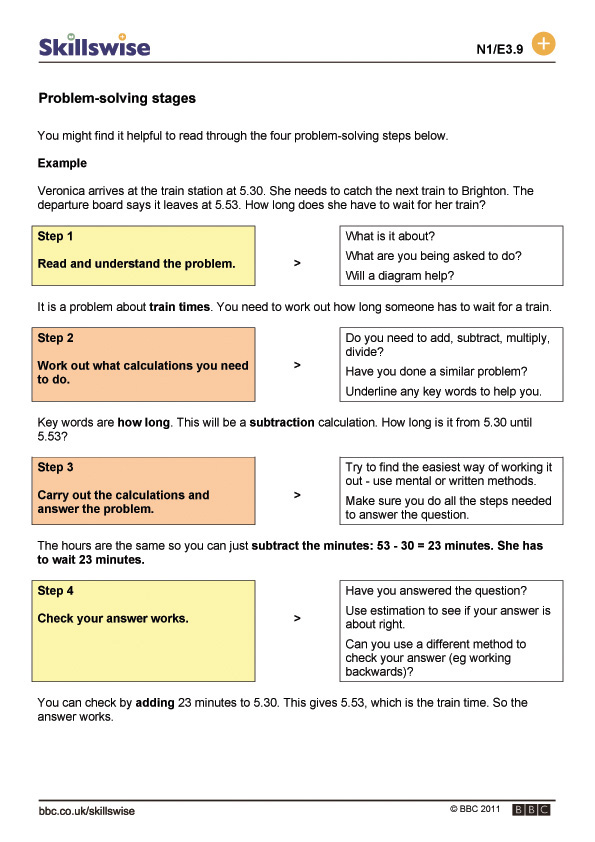
Assessing Problem-Solving Skills Problem-solving is a critical skill that individuals need to navigate through various challenges and succeed in their personal and professional lives. In the context of alternative schooling and education, it becomes even more important to assess problem-solving skills as these institutions often prioritize creativity, critical thinking, and innovative solutions. However, evaluating problem-solving…
-
“Unlocking Potential: How Project-Based Learning Transforms Education”
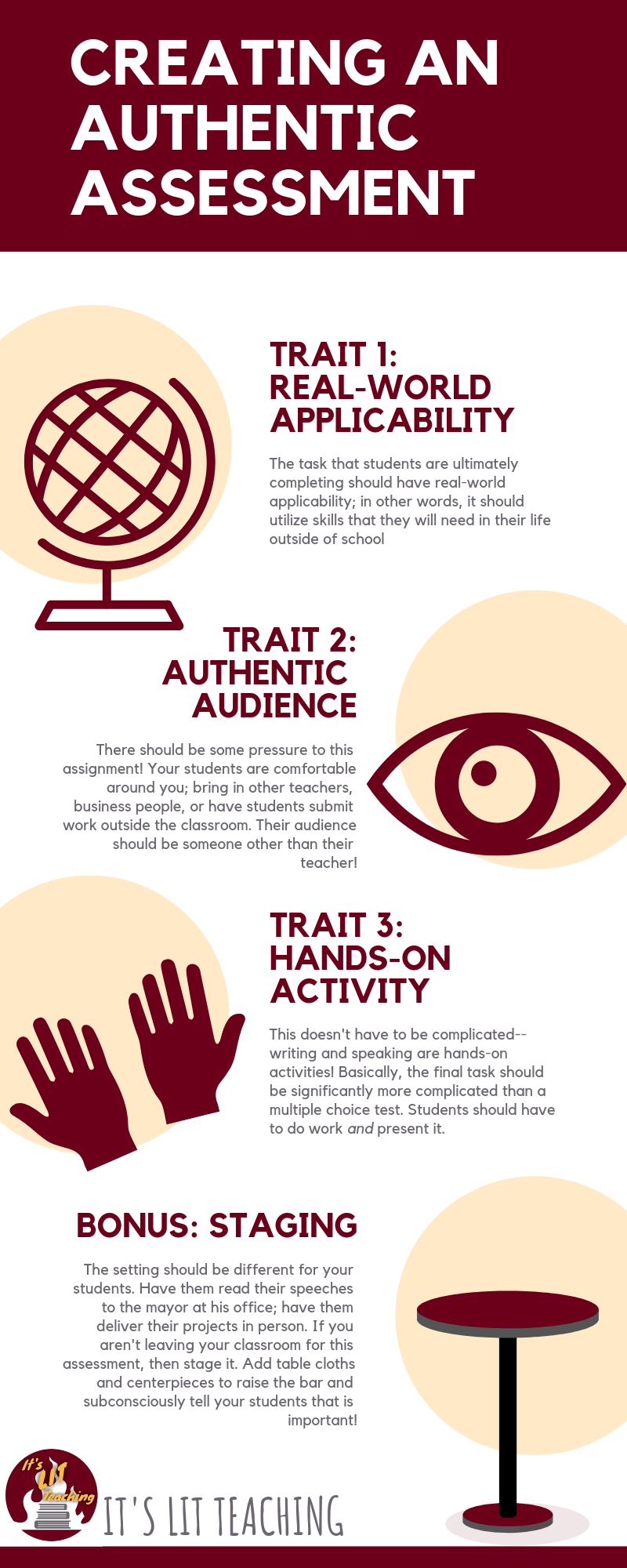
Authentic assessment refers to the process of evaluating a student’s knowledge and skills in real-world contexts, rather than relying solely on traditional tests and exams. This approach allows students to apply their learning to authentic situations, promoting deeper understanding and transferable skills. Student autonomy and choice are key components of project-based learning. Students have the…
-
Unlocking the Power of Collaboration: Thriving in Multiage Classrooms
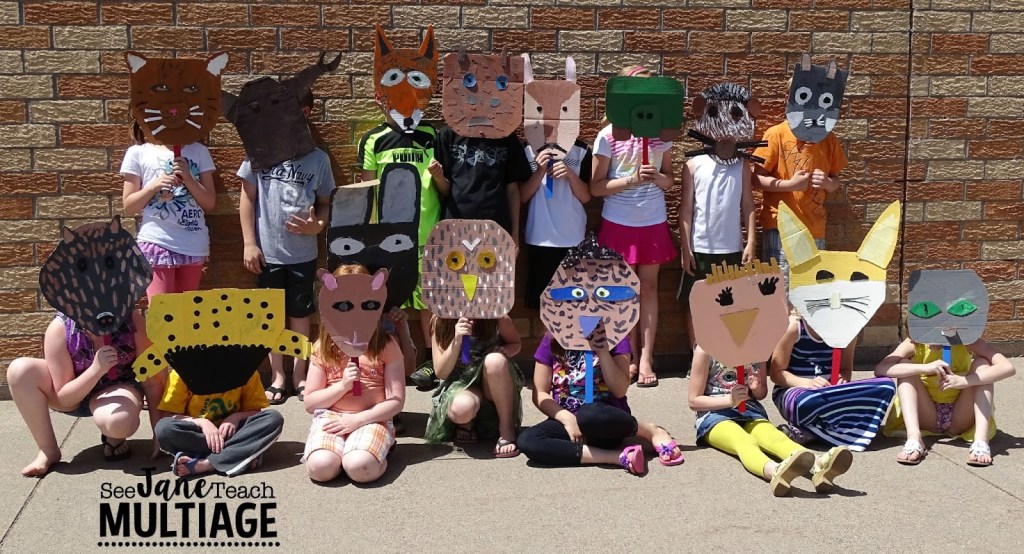
Collaboration and Teamwork in Multiage Classrooms: A Guide for Alternative Education Introduction: In the traditional education system, students are typically grouped by age, with each grade level having its own classroom. However, alternative schools often adopt a different approach by creating multiage classrooms where students from different age groups learn and work together. This unique…
-
“Project-Based Learning: Transforming Education for the 21st Century”

Design thinking, inquiry-based learning, authentic assessments, student-led projects – these are just a few of the many approaches to education that have gained popularity in recent years. As educators strive to create meaningful and engaging learning experiences for their students, project-based learning has emerged as a powerful tool. Project-based learning is an instructional approach that…
-
Assessing Problem-Solving Skills: Unlocking Potential through Collaborative Assessments

Assessing Problem-Solving Skills through Collaborative Assessments In traditional education systems, assessments have often focused on evaluating individual students’ knowledge and understanding of specific subjects. However, as the world becomes increasingly complex and interconnected, it is essential to also assess students’ problem-solving skills. One effective approach to assessing problem-solving skills is through collaborative assessments. Collaborative assessments…
 Alternative Amie