Tag: real-world situations
-
“Project-Based Learning: A Hands-On Approach to Education That Promotes Critical Thinking and Collaboration”
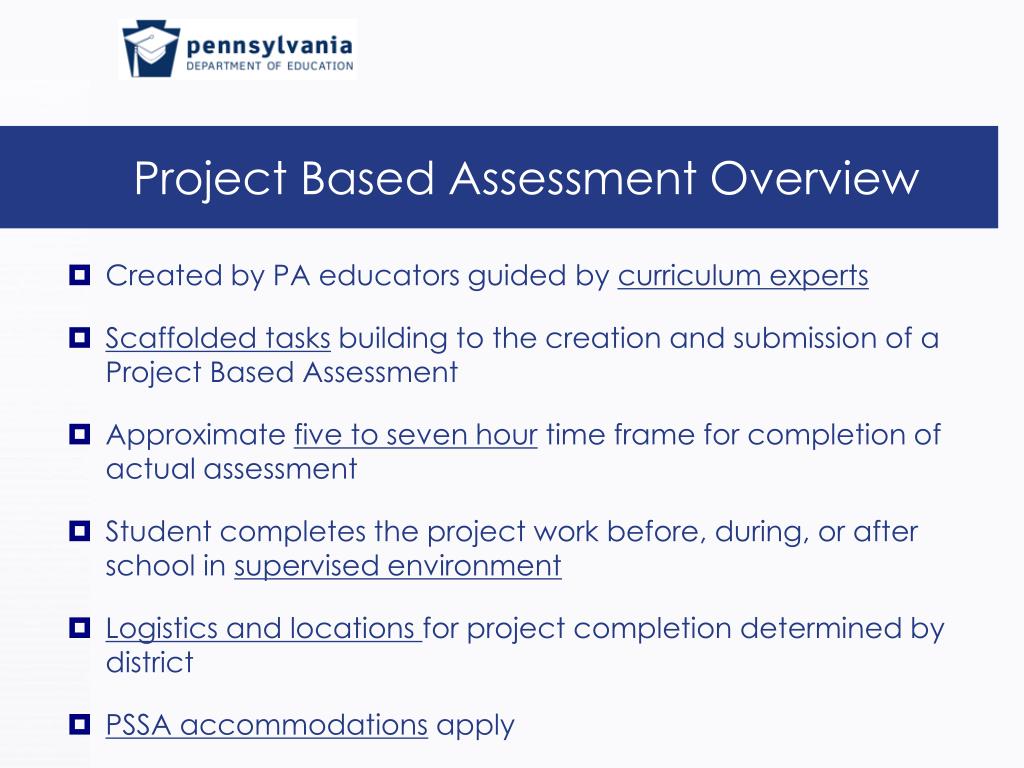
Project-based learning (PBL) is an effective method of teaching that has gained popularity in recent years. It involves students working on a project or problem for an extended period, collaborating with their peers, and presenting their findings to others. One of the primary benefits of PBL is that it provides students with a more hands-on…
-
“Experience the Difference: Experiential Learning Boosts Student Performance and Creativity”
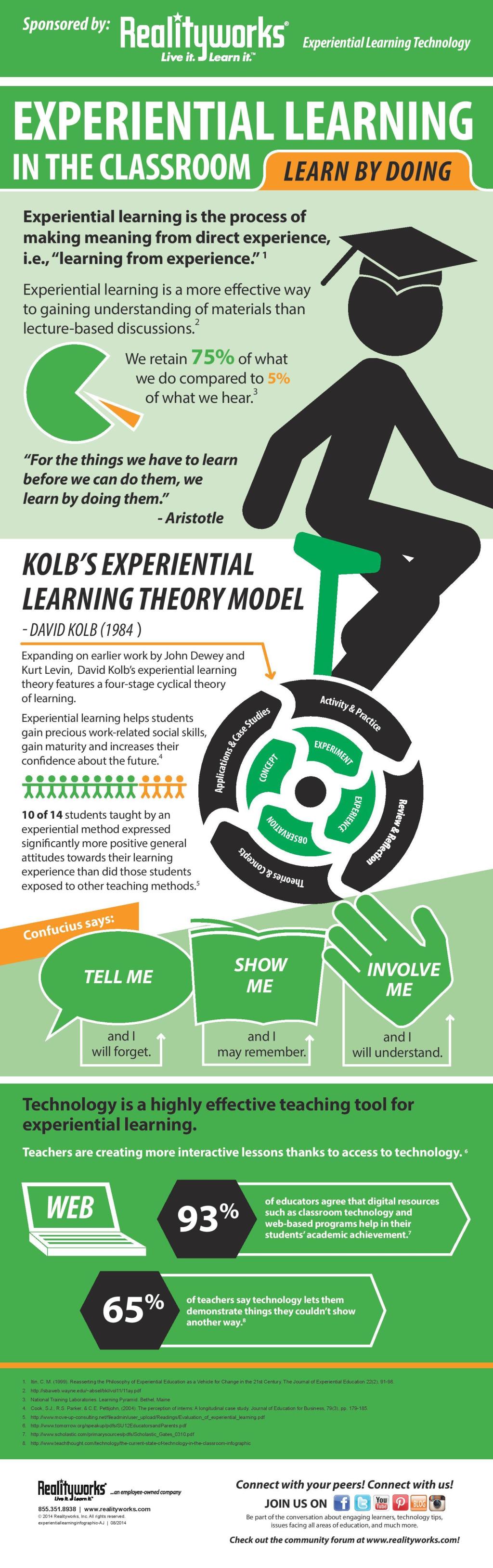
Experiential learning is a hands-on approach to education that emphasizes active participation and practical experience. Instead of just reading or listening about a subject, experiential learners engage with it directly, using their senses and intuition to explore and understand the world around them. Research has shown that experiential learning can be highly effective in improving…
-
Project-Based Learning: The Engaging Approach to Education
As more and more schools struggle to engage students in their learning, a new approach has emerged: project-based learning (PBL). PBL is a teaching method where students work on projects that are designed to help them learn skills and knowledge relevant to the real world. This method of teaching has been around for over 100…
-
Unleashing the Power of Inquiry-Based Learning: A Method for Active Student Engagement

Inquiry-based learning is a teaching method that focuses on student exploration and discovery. It involves asking questions, seeking answers, and engaging in problem-solving activities to gain a deeper understanding of a subject matter. This approach encourages students to take an active role in their education through independent thinking and self-directed learning. What is Inquiry-Based Learning?…
-
“Experience is the Best Teacher: The Benefits of Experiential Learning for Students”
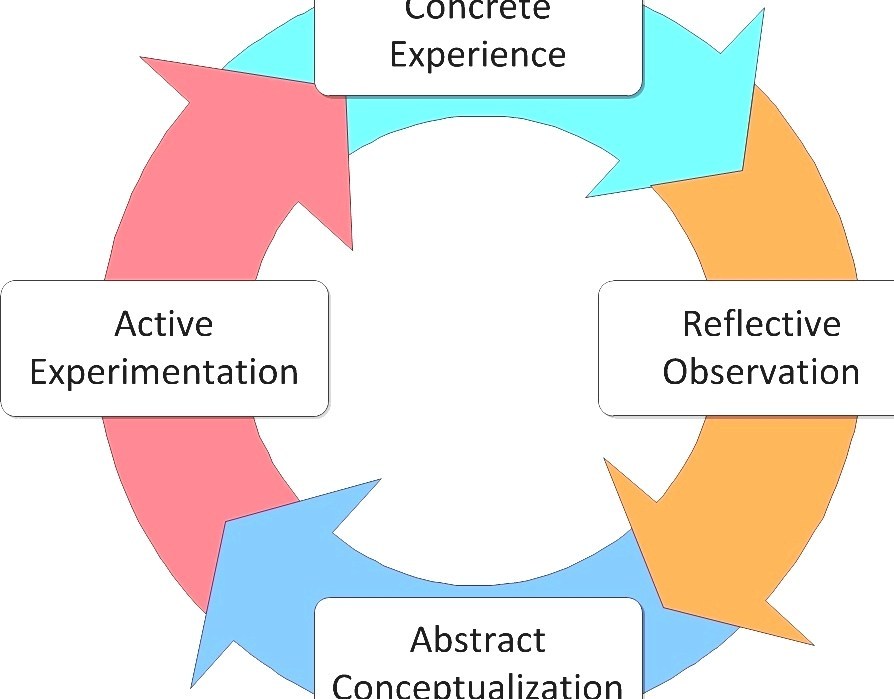
Experiential learning is a teaching approach that focuses on learning through experience. In this method, students learn by doing rather than just listening to lectures or reading textbooks. Experiential learning can take many forms such as internships, apprenticeships, project-based learning, and outdoor education. One key benefit of experiential learning is that it allows students to…
-
“Transforming Education: The Benefits and Challenges of Experiential Learning”

Experiential learning is a unique approach to education that aims to provide students with practical, hands-on experiences in order to enhance their understanding of the subject matter. Unlike traditional classroom-based learning, experiential learning focuses on real-world applications that allow students to engage in problem-solving and critical thinking. One of the benefits of experiential learning is…
-
“Discover the Power of Place-Based Education: A Holistic Approach to Learning”

Place-Based Education: A Holistic Approach to Learning In recent years, there has been a growing interest in place-based education. This approach to learning emphasizes the importance of connecting students with their local environment and community as a means of enhancing their educational experience. Place-based education is rooted in the belief that students learn best when…
-
Service Learning: Combining Education and Community Service for a Better Future.
Service learning is a unique approach to education that combines traditional classroom instruction with meaningful community service. Through this method, students learn and develop their academic skills while applying them to real-world situations. This type of learning not only benefits the students but also helps the community by addressing societal needs. In Service Learning, students…
-
Revolutionizing STEM Education: The Power of Project-Based Learning
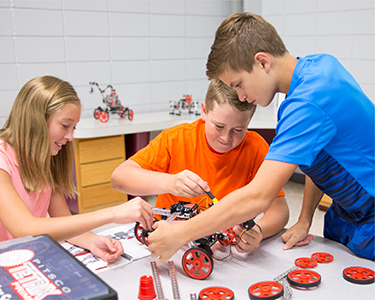
Project-based learning in STEM Project-based learning (PBL) is a teaching approach that emphasizes students working on long-term projects that require critical thinking, collaboration, and problem-solving skills. PBL has become increasingly popular in science, technology, engineering, and mathematics (STEM) education because it provides an opportunity for students to engage with the material in a more meaningful…
-
8 Reasons Why Mastery Learning Should be Implemented in All Schools
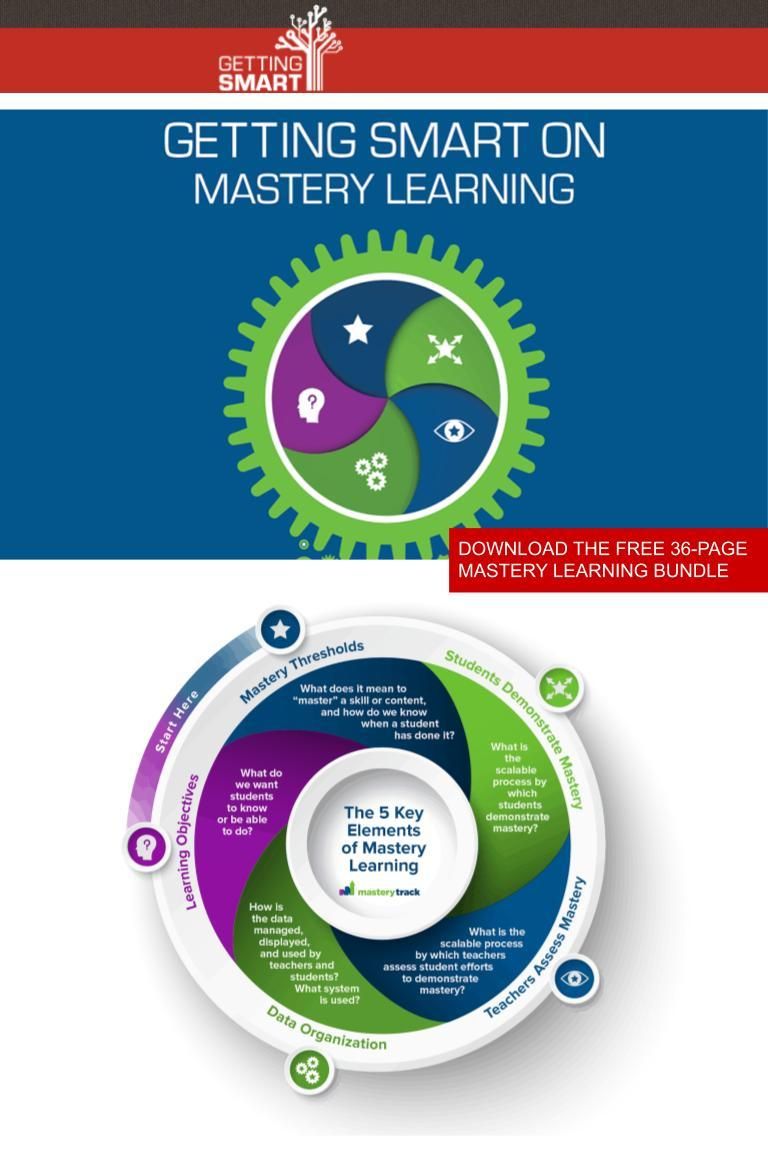
Mastery Learning is a teaching methodology that emphasizes the importance of students mastering a topic or concept before moving on to a new one. This method has gained popularity in recent years as it allows students to work at their own pace and ensures that they fully understand the material before progressing. Here are 8…
 Alternative Amie