Tag: project-based learning
-
Rowan Blanchard: Paving the Way for Alternative Schooling and Education

Rowan Blanchard: A Trailblazer in Alternative Schooling and Education Q: Who is Rowan Blanchard? A: Rowan Blanchard is an American actress, activist, and writer who rose to fame for her role as Riley Matthews on the Disney Channel series “Girl Meets World.” She has since become a prominent voice in advocating for alternative schooling and…
-
Unleashing the Potential: Nurturing Gifted Learners in an Inclusive Education System
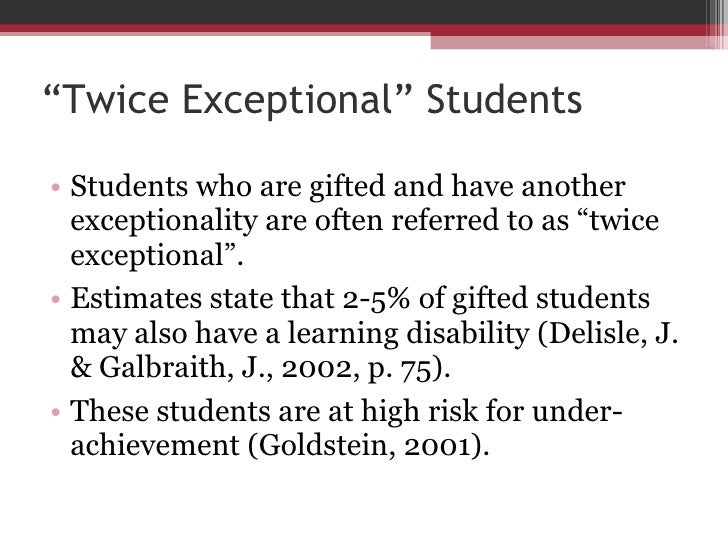
Twice-exceptional students, also known as “2e” students, are a unique group within the realm of gifted education. These are students who possess both exceptional intellectual abilities and disabilities or learning differences. They may have ADHD, autism spectrum disorder, dyslexia, or other challenges that can mask their giftedness or make it difficult for them to fully…
-
“Project-Based Learning in Alternative Schools: Engaging, Personalized, and Real-World Education”

Project-based learning (PBL) is an innovative teaching approach that emphasizes the application of knowledge and skills through real-world projects. It offers students opportunities to explore their interests, collaborate with peers, and develop critical thinking and problem-solving abilities. In alternative schooling contexts, where traditional educational models may not be suitable or effective for all students, project-based…
-
Unlocking Potential: Alternative Schooling for Neurodiverse Learners

Montessori Education and Neurodiversity: Montessori education is a child-centered approach that emphasizes independence, freedom within limits, and respect for each child’s unique development. It is an educational philosophy that aligns well with the principles of neurodiversity, which recognizes and values the diversity of neurological differences among individuals. In a Montessori classroom, children are encouraged to…
-
Unlocking Success: The Power of Mentorship in Alternative Education
Finding the Right Mentor One of the most important aspects of alternative education is the opportunity for students to have a mentor who can guide and support them in their educational journey. Finding the right mentor is crucial, as this person will play a significant role in shaping the student’s experiences and providing valuable guidance.…
-
“Project-Based Learning: Transforming Education Through Engaging and Authentic Experiences”

Project-based learning is a powerful tool that can engage students in meaningful and authentic learning experiences. Whether it’s in the fields of STEAM, environmental sustainability, social justice, community service, entrepreneurship, arts and crafts, outdoor education, technology integration, health and wellness, cultural diversity, global citizenship or any other subject area or student population – project-based learning…
-
“Tech-Infused Multiage Classrooms: Boosting Learning Experiences with Innovation”
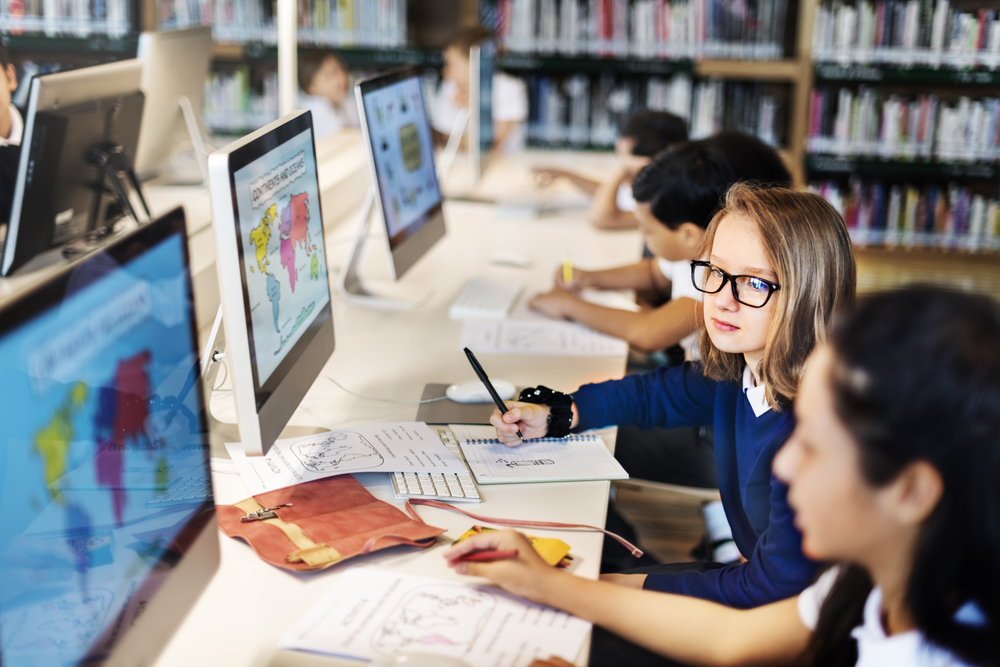
Incorporating technology into the curriculum of a multiage classroom is an innovative approach that can enhance learning experiences for students of various ages and abilities. By integrating technology, educators can create dynamic and engaging lessons that cater to individual learning styles while promoting collaboration, critical thinking, and problem-solving skills. In this article, we will explore…
-
“30 Types of Microschools Revolutionizing Education: From Montessori to STEM-Focused, Explore the Diverse Options for Personalized Learning”

Microschools have gained popularity in recent years as an alternative to traditional education. These small, intimate learning environments offer a personalized and innovative approach to education. In this article, we will explore 30 different types of microschools that cater to diverse student populations and educational philosophies. 1. Montessori microschools: Montessori-inspired microschools follow the principles developed…
-
“Arduino and Raspberry Pi: Empowering Students with Affordable and Creative Coding Education”
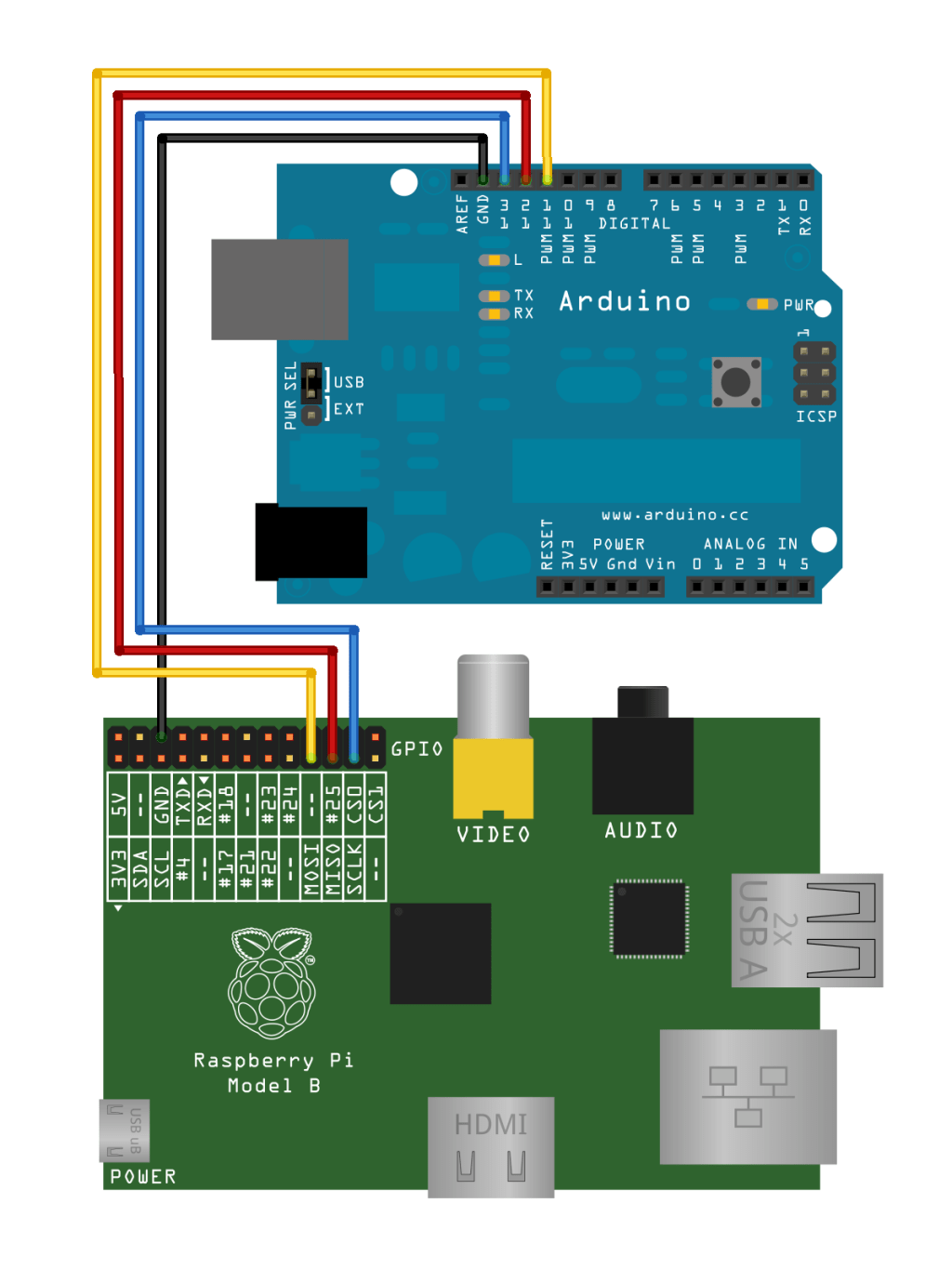
Have you ever heard of Arduino or Raspberry Pi? These two small computing platforms have been making waves in the world of alternative schooling and education. With their open-source nature, affordability, and versatility, they offer a unique opportunity for students to explore the realms of electronics and programming. Arduino is a microcontroller board that allows…
-
“Environmental Sustainability: Paving the Way to a Thriving Future”
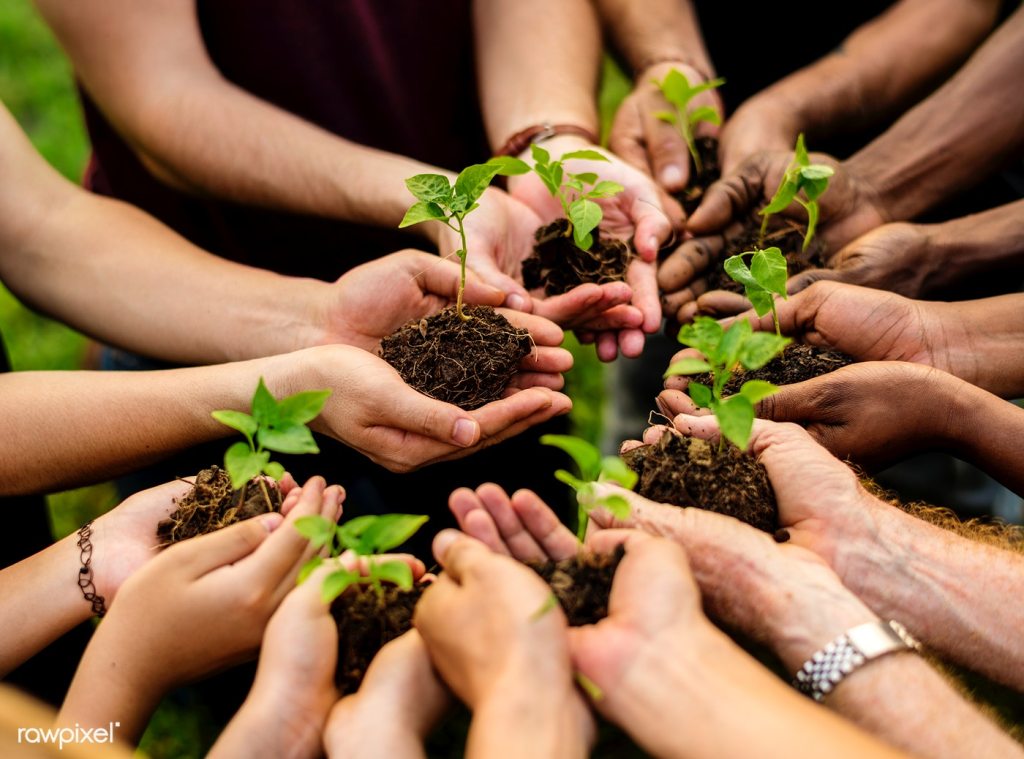
Environmental Sustainability: A Pathway to a Better Future Introduction In today’s world, the importance of environmental sustainability cannot be overstated. As we face numerous global challenges such as climate change, deforestation, and pollution, it has become increasingly evident that our current way of life is not sustainable in the long run. The concept of environmental…
 Alternative Amie