Tag: project-based learning
-
“Revolutionizing Education: Innovative Strategies to Engage Students and Foster Lifelong Learning”

Project-Based Learning (PBL) is a teaching method that immerses students in real-world challenges and problems, encouraging them to investigate and explore solutions collaboratively. This approach fosters critical thinking, problem-solving skills, creativity, and allows students to take ownership of their learning. In project-based learning, students work on projects over an extended period of time, giving them…
-
Empowering Students Through Project-Based Learning and Experiential Education

Project-Based Learning: Project-based learning is an educational approach that emphasizes hands-on, experiential learning through the completion of projects or real-world tasks. In this model, students work on projects over an extended period of time, allowing them to explore topics in depth, develop critical thinking skills, and apply knowledge in practical ways. Here are some frequently…
-
Unlocking the Power of Peer Assessment in Alternative Education Settings

Peer assessment is a powerful tool in education that allows students to provide feedback on their peers’ work, promoting collaboration, critical thinking, and self-reflection. In this article, we will explore various aspects of peer assessment and its applications in alternative schooling settings. Self-assessment techniques are essential for students to develop metacognitive skills and take ownership…
-
Exploring the Boundless World of Project-Based Learning: From Outdoor Adventures to Virtual Realms

Project-based learning (PBL) has taken the education world by storm, offering a dynamic and engaging approach to learning that goes beyond traditional classroom methods. With its focus on hands-on experiences and real-world applications, PBL allows students to dive deep into subjects while developing essential skills like critical thinking, problem-solving, collaboration, and communication. One exciting avenue…
-
Unlocking Creativity and Curiosity: Inside the Reggio Emilia Approach to Child Learning
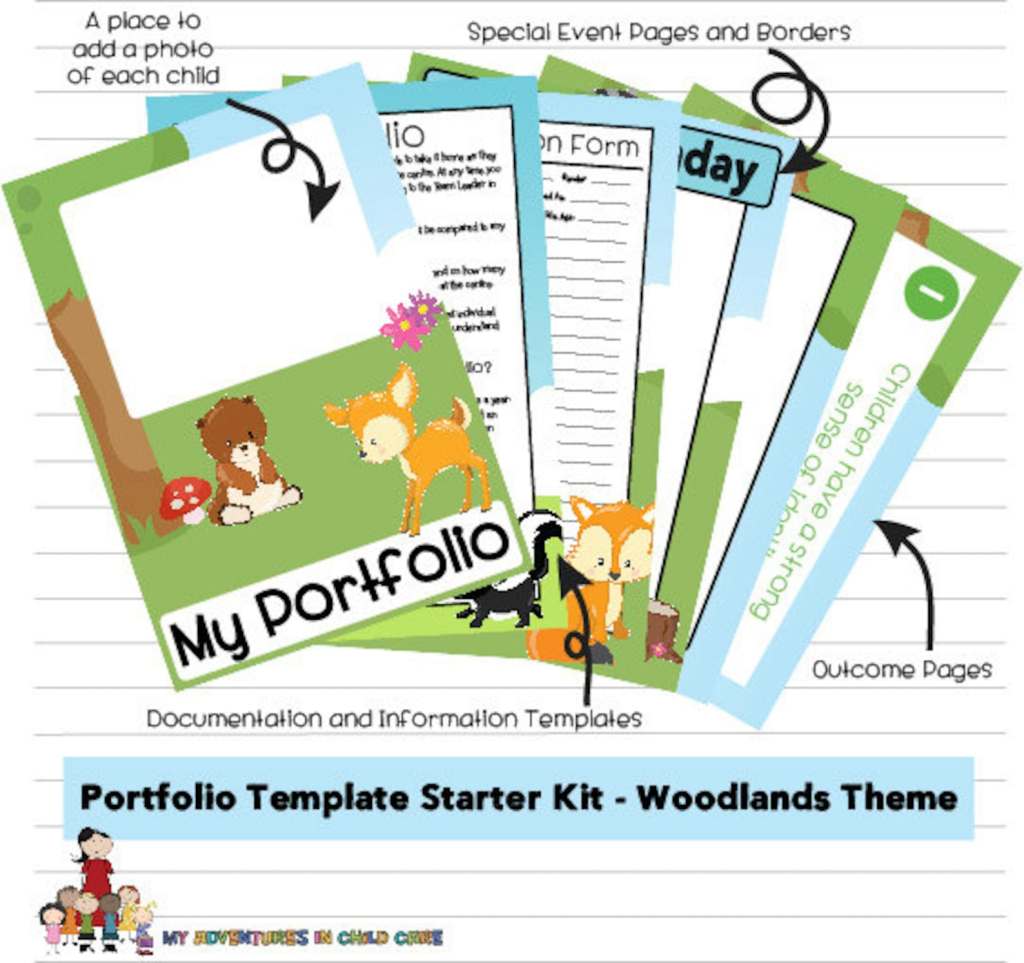
Documentation of children’s learning in the Reggio Emilia approach is a crucial aspect that helps educators understand and appreciate the child’s thoughts, ideas, and progress. Through observations, photographs, videos, and written reflections, teachers create portfolios that showcase each child’s journey of discovery and development. This documentation not only serves as a record of the child’s…
-
Neurodiversity Thrives in Montessori Education: A Path to Inclusive Learning

Neurodiversity in Montessori education offers a unique and inclusive approach to learning that values the individual strengths and differences of all students. Montessori classrooms are known for their child-centered, hands-on learning environment that allows students to explore at their own pace and according to their interests. This approach is particularly beneficial for neurodiverse students who…
-
Experience the Difference: Experiential Learning Transforms Education

Experiential learning is a powerful educational approach that emphasizes hands-on, real-world experiences as a way to learn and grow. Rather than traditional classroom-based instruction, experiential learning immerses students in activities that allow them to actively engage with the subject matter, fostering deeper understanding and retention of knowledge. Alternative schooling and education programs often prioritize experiential…
-
“Revolutionizing Education: Unleashing Creativity and Independence Through Unique Learning Approaches”

Unschooling methods are a unique approach to education that focuses on allowing children to direct their own learning. Instead of following a traditional curriculum, unschooling encourages students to explore their interests and passions, leading to more meaningful and personalized learning experiences. This method values self-directed learning and believes that children will naturally learn when given…
-
Transforming Education: The Power of Peer Assessment in Alternative Schooling Settings

Peer assessment is a powerful tool that can transform the learning experience in alternative schooling settings, offering students the opportunity to take ownership of their education while fostering collaboration, critical thinking, and community-building. In this article, we will explore the various ways peer assessment can be implemented in non-traditional educational environments and discuss its benefits…
-
Unlocking Potential: Child-Led Learning Shatters Misconceptions

Child-led learning, often associated with unschooling, is a form of education where children take the lead in their own learning journey. Despite its growing popularity and success stories, there are still many misconceptions surrounding this approach. One common misconception is that child-led learning neglects important subjects like Science, Technology, Engineering, and Mathematics (STEM). In reality,…
 Alternative Amie