Tag: project-based learning
-
Creating Structure in Alternative Education: The Power of Rhythm and Routine

Rhythm and Routine: Creating Structure in Alternative Education Introduction: Alternative schooling and education emphasize the importance of individualized learning, creativity, and critical thinking. However, this does not mean that structure and routine should be neglected. In fact, establishing a rhythm and routine in alternative education can provide numerous benefits for students. In this article, we…
-
Dan Aykroyd: A Multi-Talented Artist Advocating for Alternative Education

Dan Aykroyd: A Multi-Talented Artist Advocating for Alternative Education Dan Aykroyd, the Canadian-born actor, comedian, writer, and musician, is not only known for his iconic roles in films like “Ghostbusters” and “The Blues Brothers,” but also for his unwavering support of alternative schooling and education. Throughout his career, Aykroyd has consistently championed the importance of…
-
“Empowering Education: Unleashing Potential Through Project-Based Learning in Alternative Settings”
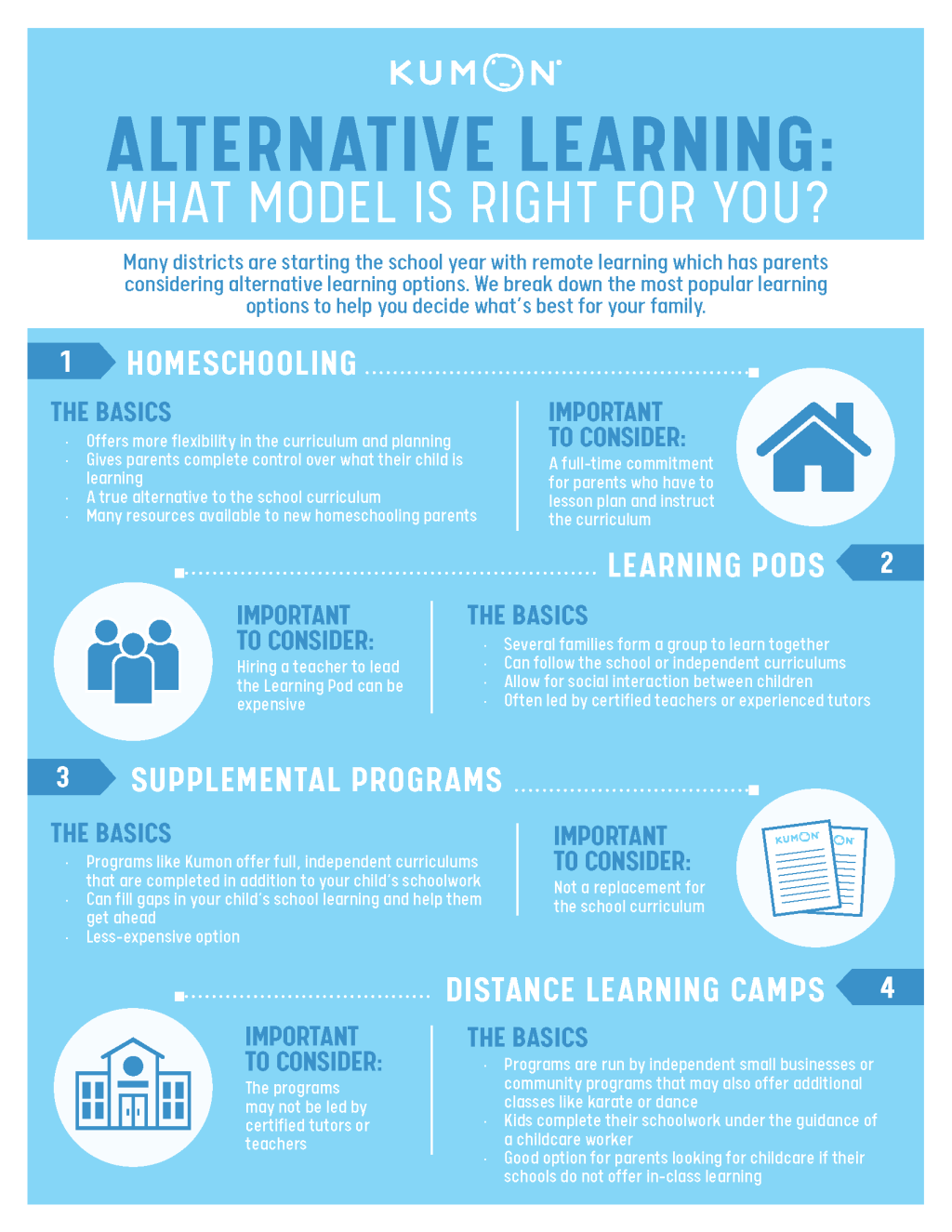
Implementing Project-Based Learning in Alternative Education Alternative education approaches have gained popularity in recent years as a way to cater to the diverse needs of students outside of traditional schooling systems. One such approach is project-based learning (PBL), which focuses on engaging students in hands-on, real-world projects that foster critical thinking, problem-solving, and collaboration skills.…
-
Unlocking the Power of Problem-Solving: A Deeper Dive into Alternative Grading Approaches
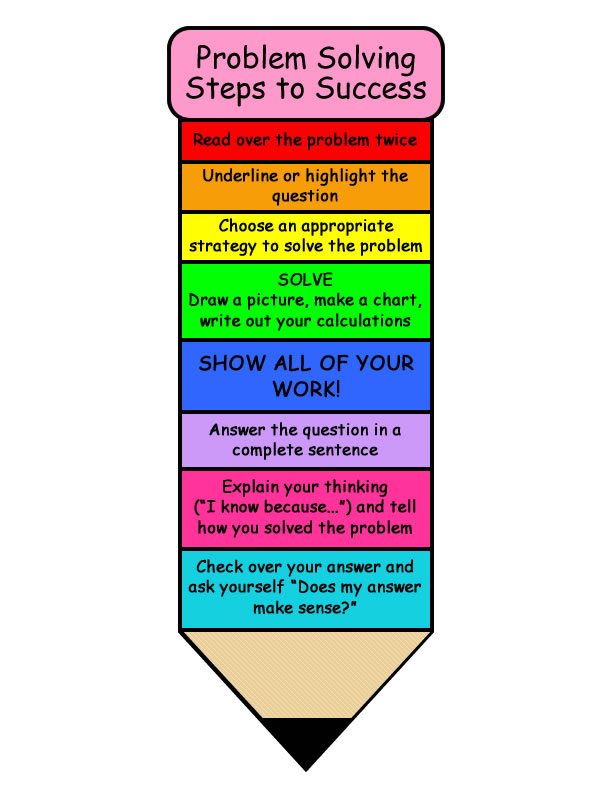
Grading for Problem-Solving Skills: A Deeper Look into Alternative Approaches In traditional education systems, grades are typically assigned based on the level of knowledge and understanding a student demonstrates in various subjects. However, as we progress into the 21st century, there is an increasing need to develop problem-solving skills among students – skills that go…
-
Unlocking the Power of Hands-On Learning: Embracing the Active/Experiential Thinking Style

Active/Experiential Thinking Style: Unlocking the Power of Hands-On Learning In a traditional classroom setting, students are often expected to passively receive information and regurgitate it during exams. However, this one-size-fits-all approach to education may not be effective for all learners. For those with an active/experiential thinking style, hands-on learning is key to their academic success.…
-
“Unlocking Potential: Personalized Education in Alternative Schools”

Differentiated instruction is an approach to teaching and learning that acknowledges the diverse needs, interests, and abilities of students in a classroom. It involves tailoring instruction to meet the specific needs of each student, ensuring that they are challenged and supported at their own individual level. This can include adjusting content, process, or product based…
-
Unleashing Creativity: Innovative Teaching in Homeschooling Co-ops

Creative Teaching Methods in Homeschooling Co-ops Homeschooling has become an increasingly popular choice for parents seeking alternative forms of education for their children. One aspect that sets homeschooling apart from traditional schooling is the ability to customize and tailor educational experiences to individual students’ needs and interests. In recent years, homeschooling co-ops have emerged as…
-
“Breaking the Mold: Exploring Alternative Education Options for a Unique Learning Experience”

Montessori schools, Waldorf schools, Sudbury schools, unschooling approaches, and cooperative learning in small schools are just a few examples of alternative education options available to students today. These schools offer unique approaches to teaching and learning that challenge traditional methods. Montessori schools follow the educational philosophy developed by Dr. Maria Montessori. They emphasize hands-on learning…
-
Assessing Problem-Solving Skills in Alternative Schooling: Strategies and Methods
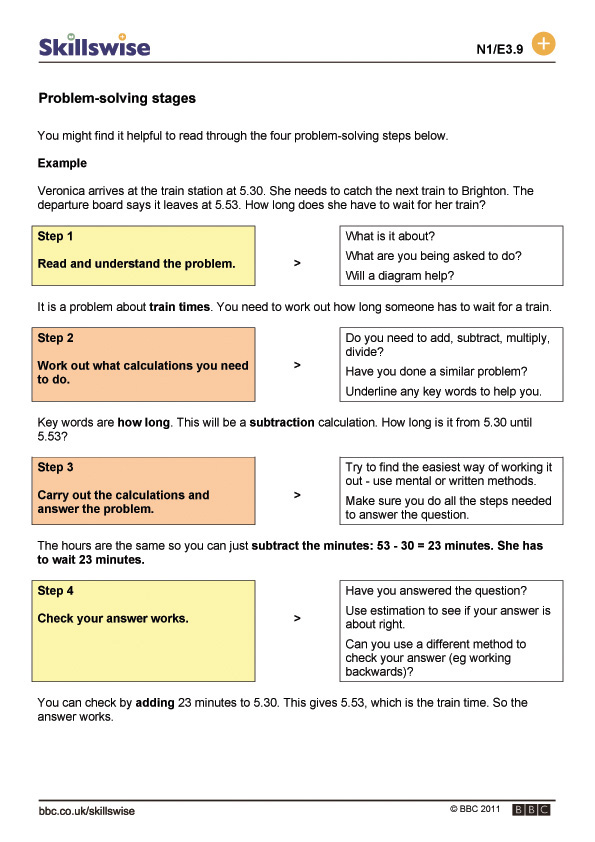
Assessing Problem-Solving Skills Problem-solving is a critical skill that individuals need to navigate through various challenges and succeed in their personal and professional lives. In the context of alternative schooling and education, it becomes even more important to assess problem-solving skills as these institutions often prioritize creativity, critical thinking, and innovative solutions. However, evaluating problem-solving…
-
Unlocking the Power of Language: Key to Child’s Growth and Education
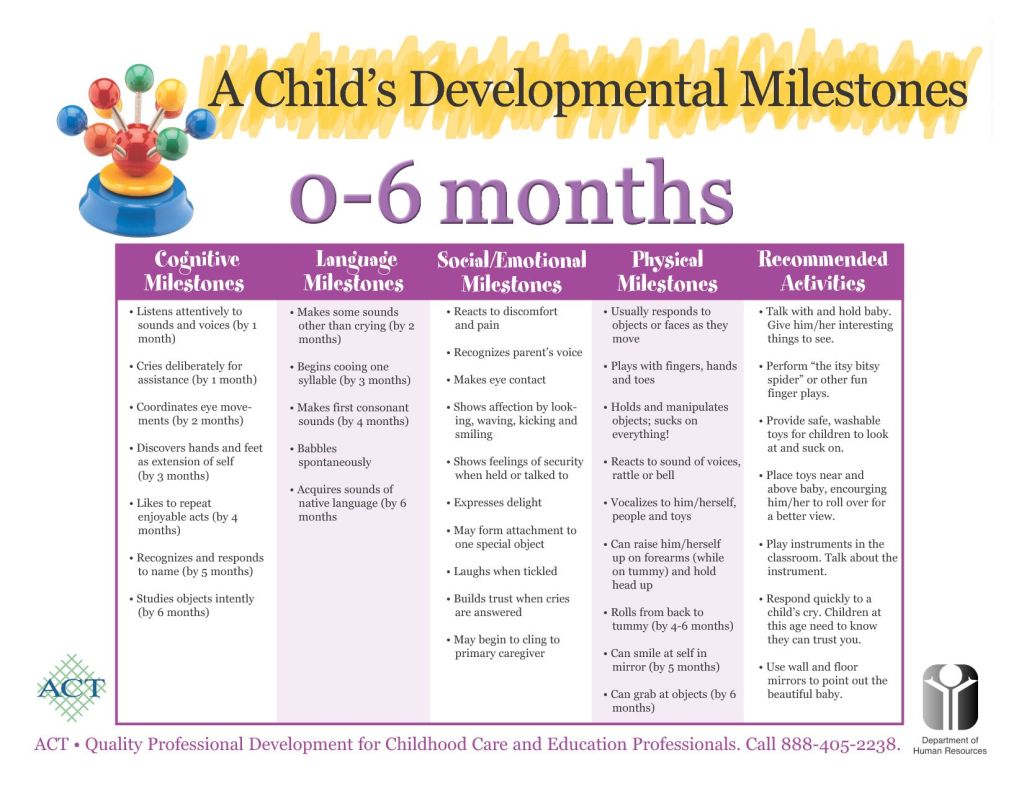
Language development is a crucial aspect of a child’s growth and education. It plays a vital role in their ability to communicate, express themselves, and understand the world around them. While language development typically starts at birth, it continues to evolve as children grow older. During infancy, babies begin by making sounds and babbling. This…
 Alternative Amie