Tag: project-based learning
-
Embracing the Melting Pot: Cultural Diversity in Project-Based Learning

Cultural Diversity in Project-Based Learning: Embracing the Melting Pot of Ideas In today’s globalized world, it is essential for students to develop a deep understanding and appreciation of cultural diversity. As traditional educational models continue to evolve, project-based learning has emerged as an effective approach that not only promotes critical thinking and problem-solving skills but…
-
“Breaking the Mold: Non-Traditional Assessments Revolutionize Education”

Non-traditional assessments have gained significant attention in the field of education, as they provide alternative ways to evaluate student learning and achievement. These assessments move beyond the traditional pen-and-paper tests and embrace a more comprehensive approach to measuring students’ knowledge and skills. One example of a non-traditional assessment is project-based learning. In this method, students…
-
“Empowering Education: Alternative Methods for Self-Directed Learners”
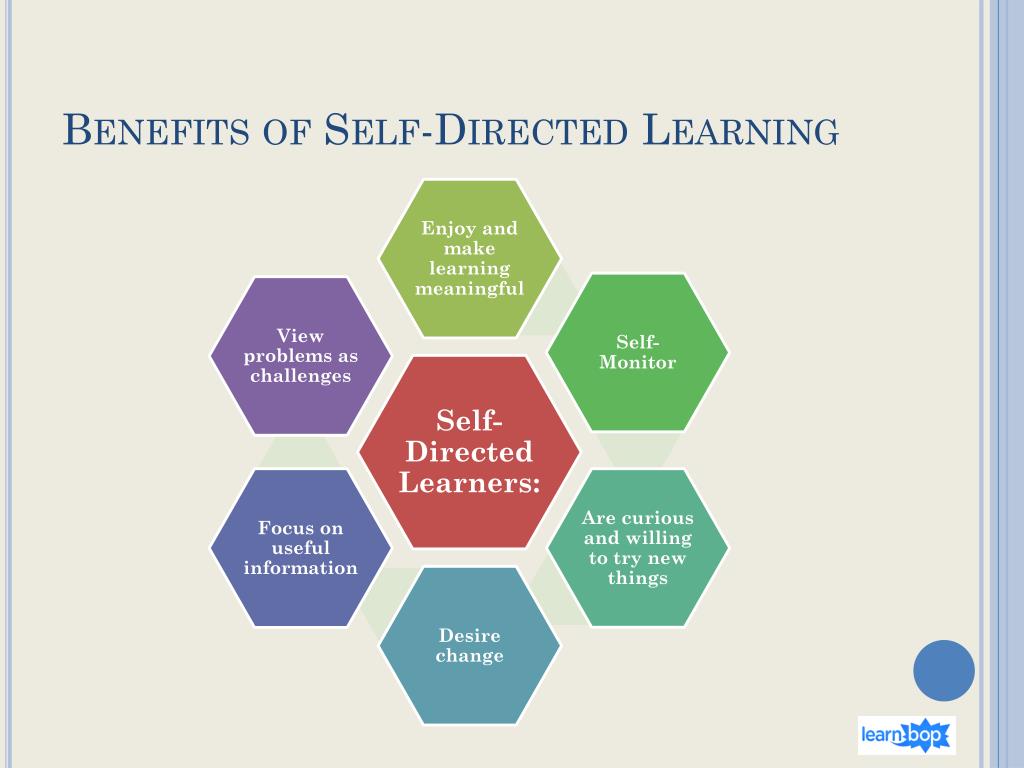
Project-based learning is an educational approach that emphasizes hands-on, real-world projects as the primary method of instruction. Students are given the opportunity to explore topics that interest them and work on projects that align with their individual goals and interests. This approach encourages students to take ownership of their learning and develop essential skills such…
-
“Experiential Education: Unlocking the Power of Hands-On Learning at Green Valley Alternative School”

Experiential Education: A Case Study in Alternative Schooling Introduction: In the world of education, there has been a growing interest in alternative approaches to traditional schooling. One such approach is experiential education, which emphasizes learning through hands-on experiences and real-world applications. In this case study, we will explore the benefits and challenges of experiential education…
-
Revolutionizing Education: Lakefront Microschools Empower Individualized Learning and Nature Engagement
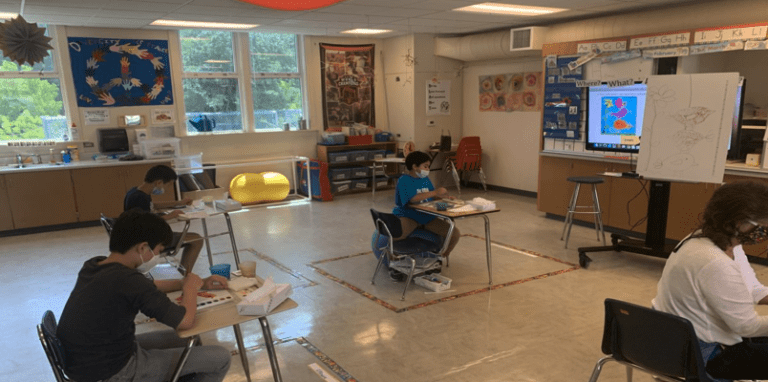
Lakefront Microschools: Revolutionizing Education In recent years, there has been a growing interest in alternative forms of education that cater to individual student needs and foster creativity. One such innovative approach is the concept of Lakefront Microschools. These small-scale learning environments are making waves in the educational landscape, offering personalized and experiential learning experiences for…
-
“Unlocking the Future of Education: How Personalized Online Learning is Revolutionizing the Way We Learn”
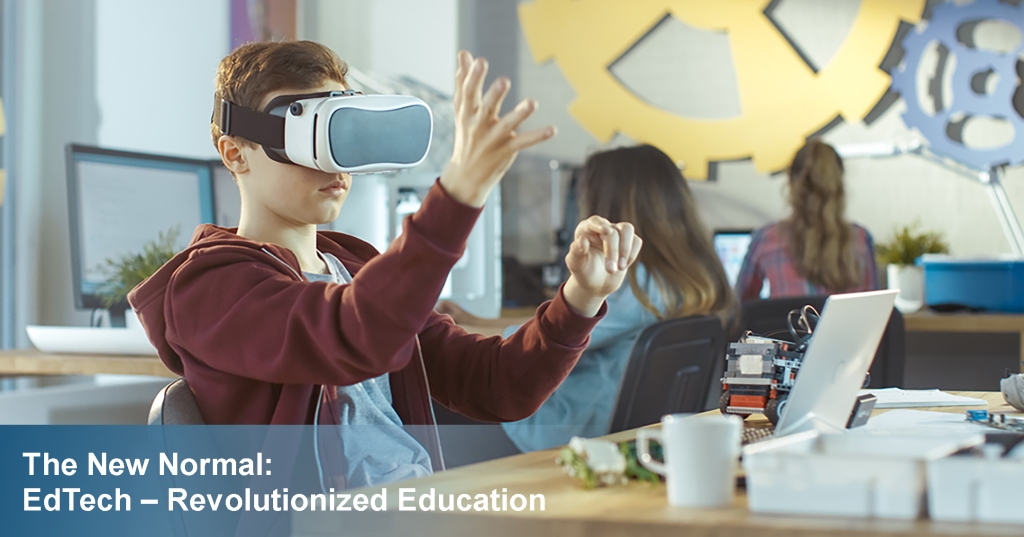
Online education has revolutionized the way people learn and acquire knowledge. Traditional classrooms are no longer the only option, as personalized online learning platforms provide individuals with tailored educational experiences. These platforms utilize technology to adapt to each learner’s needs, allowing them to progress at their own pace and explore topics that interest them. One…
-
STEAM Integration: Bridging the Gap for a Holistic Education
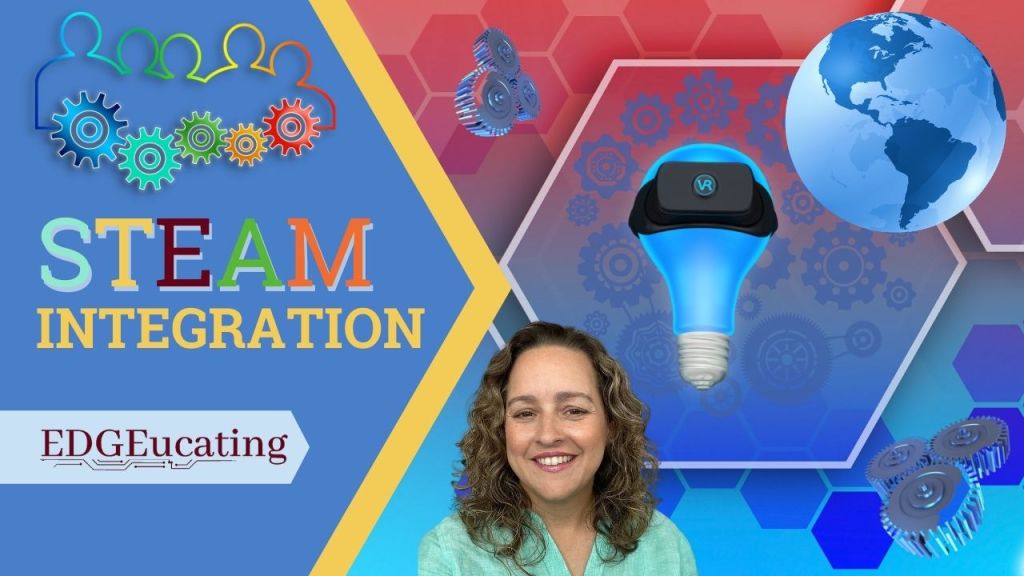
STEAM Integration: Bridging the Gap between Science, Technology, Engineering, Arts, and Mathematics In recent years, there has been a growing recognition of the importance of integrating arts into STEM (science, technology, engineering, and mathematics) education. This integration is referred to as STEAM – an acronym that adds “arts” to the equation. The concept behind STEAM…
-
Unlocking the Wonders of the Ocean: Alternative Schooling Inspires a Lifelong Passion for Exploration

As a child, I was always fascinated by the vastness and mystery of the ocean. Growing up in a landlocked area, my interactions with the sea were limited to occasional family vacations. However, those experiences left an indelible mark on me, igniting a lifelong passion for exploring and understanding our planet’s oceans. One of the…
-
“Design Thinking, Gamification, and Authentic Assessments: Enhancing Project-Based Learning for Engaged and Empowered Students”
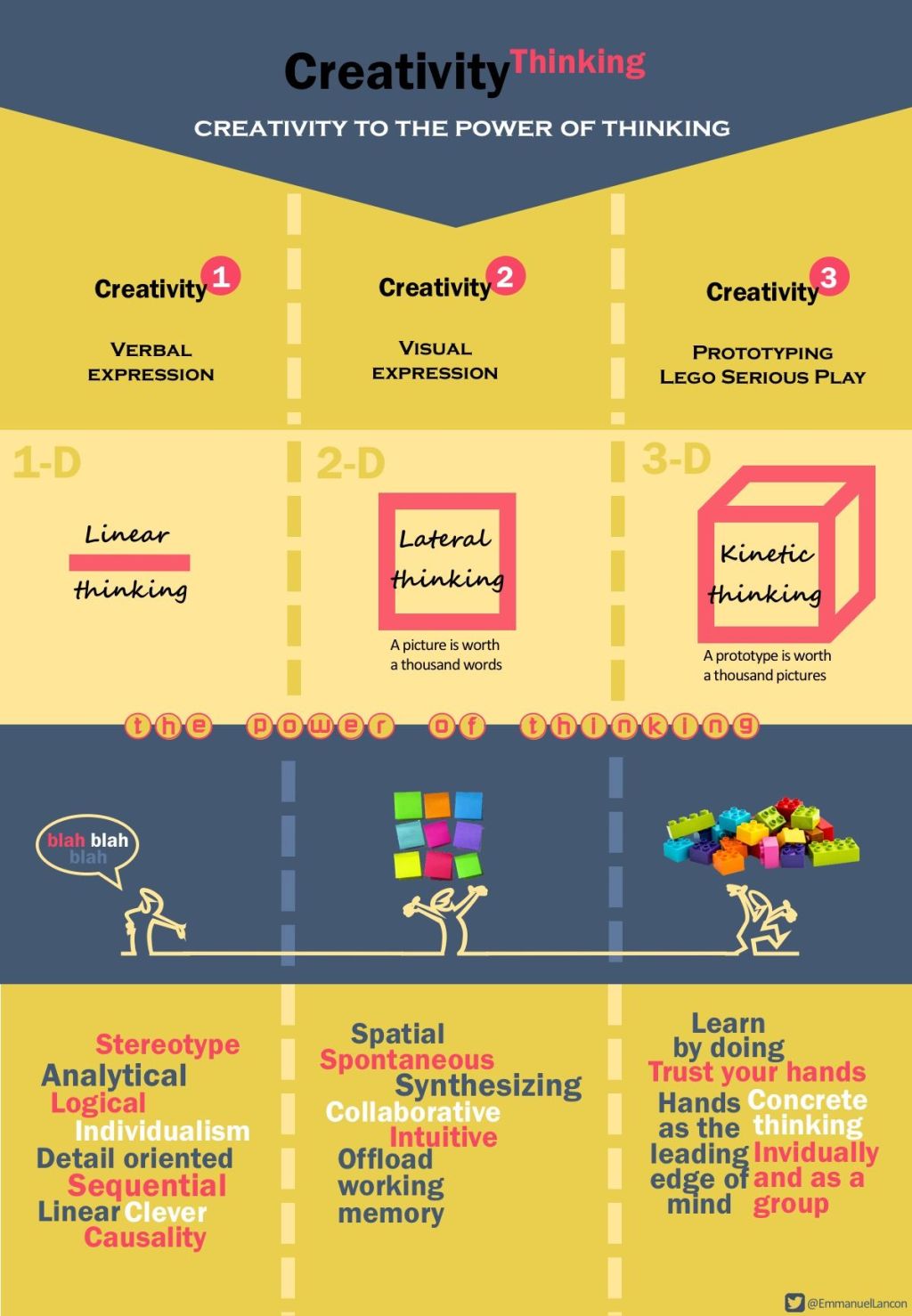
Design thinking is a valuable approach in project-based learning as it encourages students to think critically and creatively, solve problems, and collaborate effectively. By incorporating design thinking into their projects, students are able to develop empathy for the end user or audience, define the problem they are trying to solve, generate ideas, prototype and test…
-
“8 Collaborative Projects and Group Work Ideas That Transform Education”

Collaborative projects and group work are valuable learning experiences that can greatly enhance the educational journey of students. They provide opportunities for students to develop essential skills such as communication, teamwork, problem-solving, and critical thinking. Moreover, collaborative projects encourage active engagement and create an inclusive learning environment where all participants contribute their unique perspectives and…
 Alternative Amie