Tag: project-based learning
-
Revolutionizing Education: Innovative Approaches for Engaged Learning
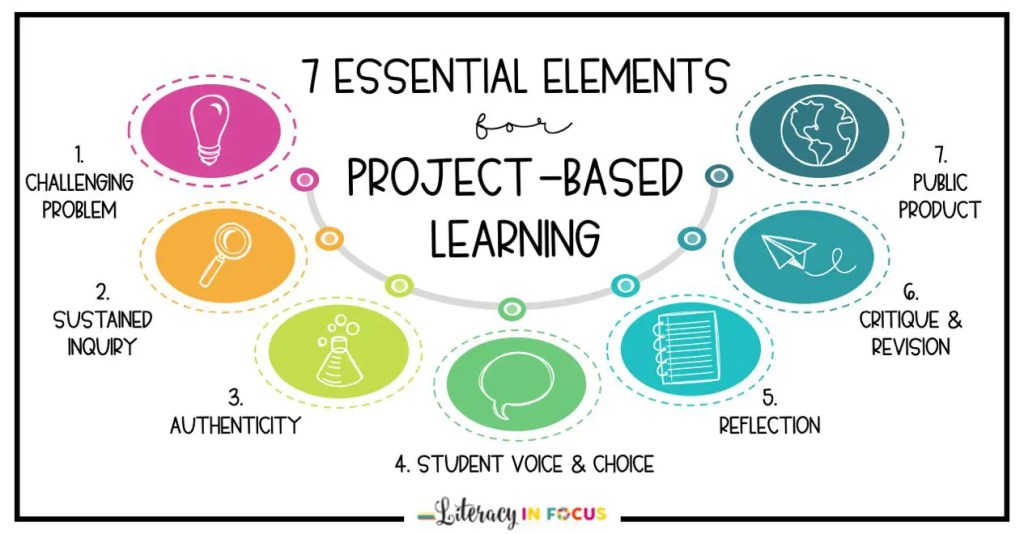
Project-based learning (PBL) is a dynamic approach to education that emphasizes real-world application of knowledge. In PBL, students work on projects that require them to investigate and solve complex problems, collaborate with peers, and present their findings. This hands-on method fosters critical thinking skills, creativity, and teamwork abilities. By engaging in PBL activities, students develop…
-
“Outdoor Education, Project-Based Learning, and Diversity: Homeschooling Co-ops Embrace Holistic Approaches for Student Success”

In the realm of homeschooling co-ops, there is a growing trend towards incorporating outdoor education as a way to enhance learning experiences. By taking the classroom outside, students have the opportunity to connect with nature, engage in hands-on activities, and develop a deeper appreciation for the environment. Outdoor education can include activities such as nature…
-
Empowering Students Through Project-Based Learning Across Various Subjects
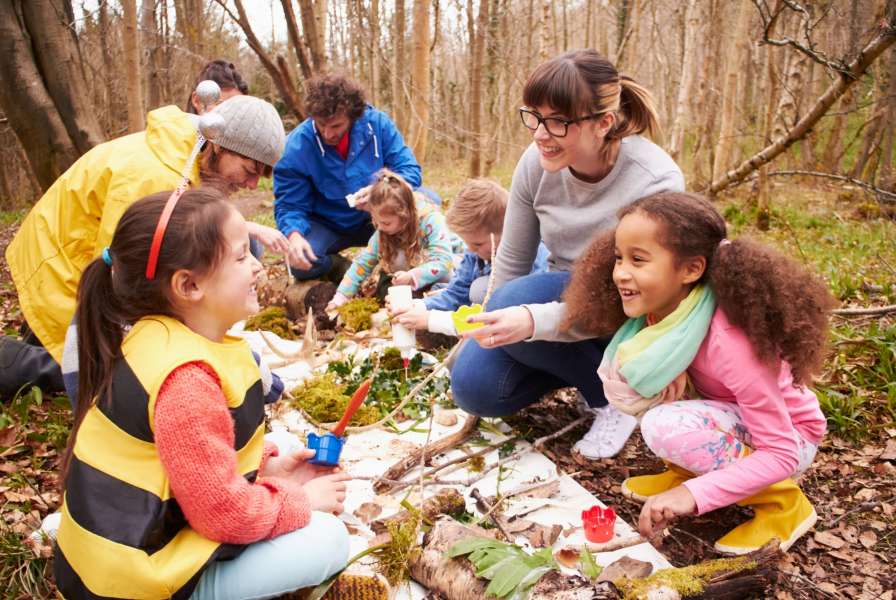
Project-based learning (PBL) is a teaching method that allows students to gain knowledge and skills by actively exploring real-world problems and challenges. By engaging in hands-on projects, students develop critical thinking, collaboration, communication, and creativity skills. PBL can be implemented across various subjects and disciplines to enhance learning outcomes and student engagement. Incorporating project-based learning…
-
Empowering Alternative Education: Holistic Assessments for Student Success

Self-directed learning in alternative schooling is a powerful tool that empowers students to take ownership of their education. In non-traditional education settings, students have the freedom to explore their interests and develop skills at their own pace. Self-directed learning encourages independence, curiosity, and a passion for knowledge. Emotional intelligence assessment for students plays a crucial…
-
Empowering Students Through Peer Assessment in Project-Based Learning
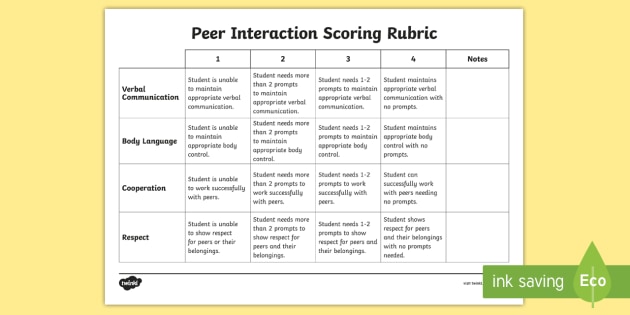
Peer assessment is a valuable tool in project-based learning that can enhance students’ understanding of the material, improve their critical thinking skills, and foster collaboration among peers. By involving students in the evaluation process, peer assessment empowers them to take ownership of their learning and provides them with valuable feedback from multiple perspectives. Here are…
-
“Empowering Education: The Rise of Project-Based Learning”

Project-based learning (PBL) is a teaching method that has gained popularity in recent years for its effectiveness in engaging students and promoting critical thinking skills. In PBL, students work on real-world projects that require them to apply knowledge from various subjects to solve complex problems. This hands-on approach not only helps students develop a deeper…
-
Empowering Student Growth: Unleashing the Potential of Small Schools

In the landscape of education, small schools offer a unique and personalized approach to learning that fosters a sense of community and individual growth. Within these settings, various strategies and practices can be implemented to enhance the educational experience for students. From mixed-age classrooms to restorative justice practices, outdoor education, mental health support, project-based learning,…
-
Empowering Students Through Project-Based Learning: A Path to 21st-Century Skills
Project-based learning (PBL) is an innovative and student-centered approach to education that emphasizes real-world applications of knowledge and skills. In this model, students work on projects over an extended period of time to investigate and respond to complex questions, problems, or challenges. PBL shifts the focus from teacher-led instruction to student-driven inquiry, collaboration, critical thinking,…
-
“Empowering Education: Active Learning Strategies Transform Alternative Schooling Environments”
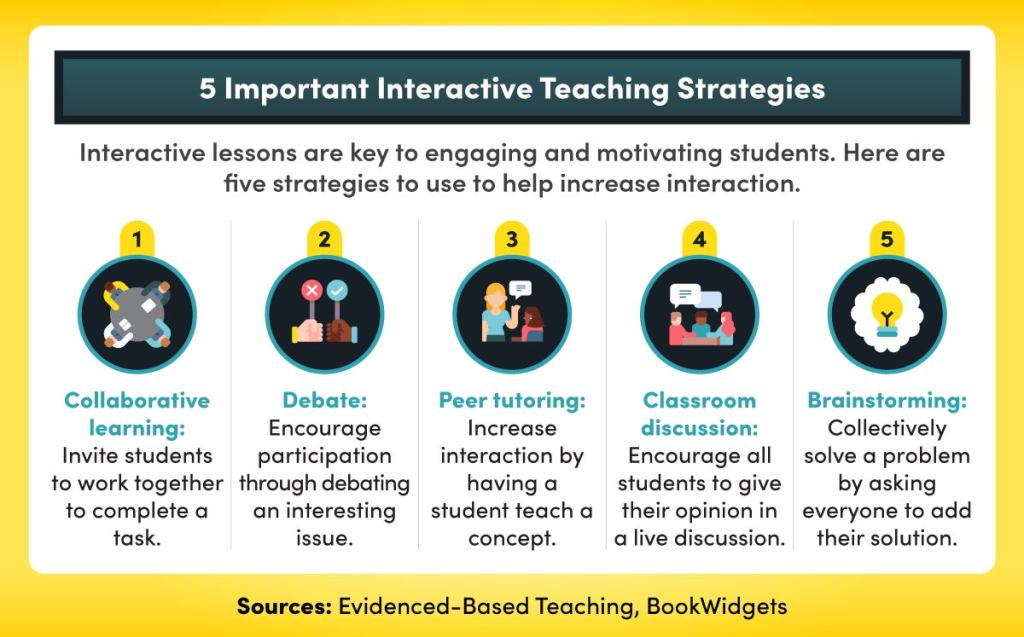
Active learning is a powerful educational approach that engages students in the learning process through various hands-on activities, discussions, and group work. By actively participating in their own learning experience, students can better understand and retain information compared to traditional passive learning methods. In alternative schooling and education environments where creativity and critical thinking are…
-
Empowering Education: Unschooling for Curiosity, Creativity, and Resilience
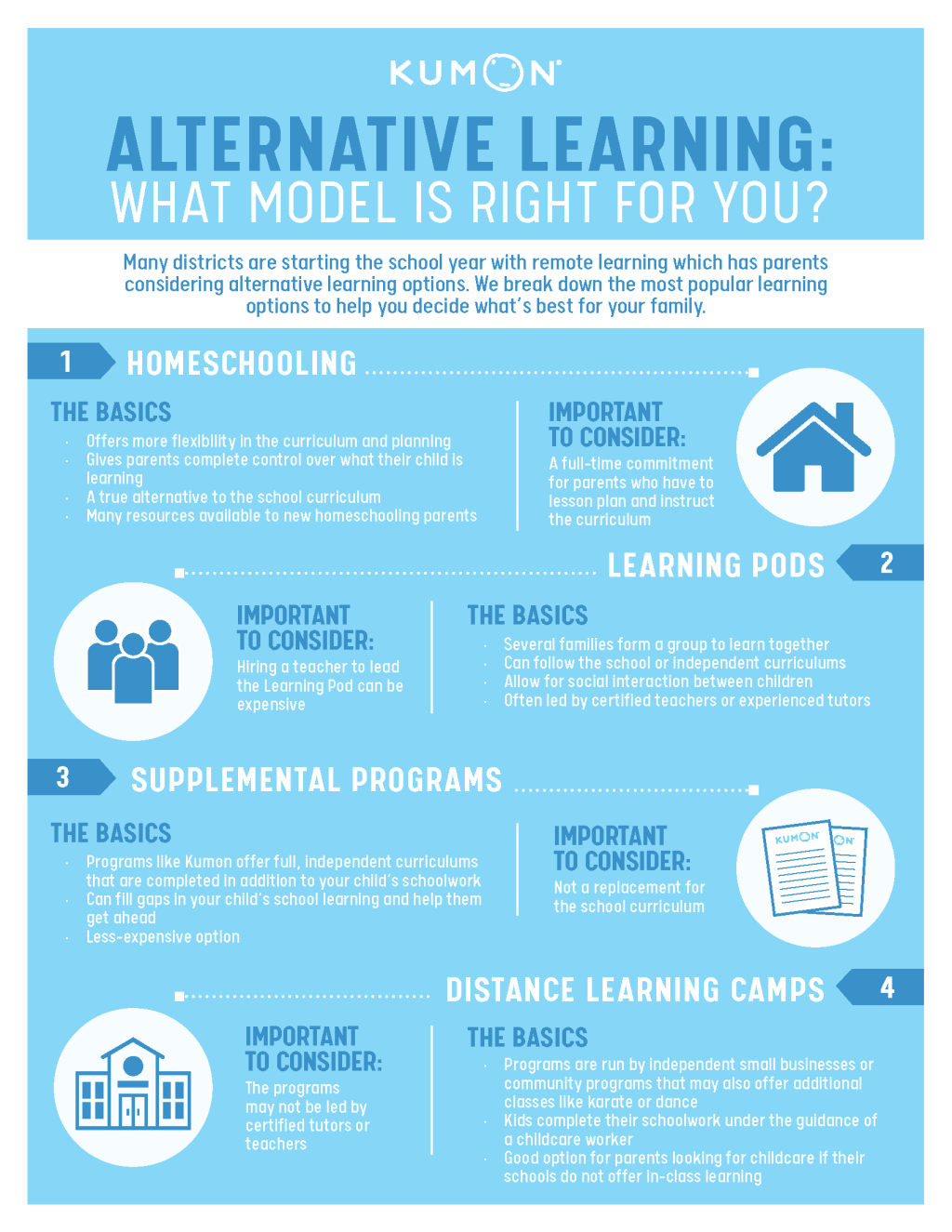
Self-directed learning, project-based learning, and the unschooling philosophy have gained popularity in recent years as alternative approaches to traditional education. These methods prioritize individual interests, critical thinking skills, personal growth, and real-world applications of knowledge over standardized curriculum and classroom instruction. Self-directed learning allows individuals to take control of their education by choosing what they…
 Alternative Amie