Tag: problem-solving
-
Breaking Down Barriers: The Power of Cross-Disciplinary Collaboration in STEAM Projects
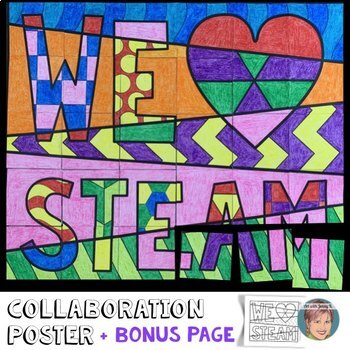
Cross-disciplinary Collaboration in STEAM Projects In recent years, the importance of cross-disciplinary collaboration has been emphasized in various fields, including education. The integration of Science, Technology, Engineering, Arts and Mathematics (STEAM) is a modern approach to learning that promotes teamwork among students with diverse backgrounds. Cross-disciplinary collaboration involves the participation of educators and professionals from…
-
“Worldschooling Goes Wild: Adventure Sports and Outdoor Activities as a Path to Learning”

Worldschooling is an alternative approach to education that allows children to learn through real-life experiences and travel. Adventure sports and outdoor activities provide a unique opportunity for worldschoolers to learn about the world around them while also developing important skills. Adventure sports such as rock climbing, kayaking, and hiking can teach children valuable lessons in…
-
Project-Based Learning: The Key to Teaching Entrepreneurship and Business Skills

Entrepreneurship and Business Skills through Project-Based Learning Alternative schooling and education have been gaining popularity in recent years. One of the reasons is that it provides students with a more engaging way of learning, which often results in better retention of knowledge. Project-based learning (PBL) is one such method that has proven to be effective…
-
The Power of Experiential Learning: Why Alternative Schools Embrace It
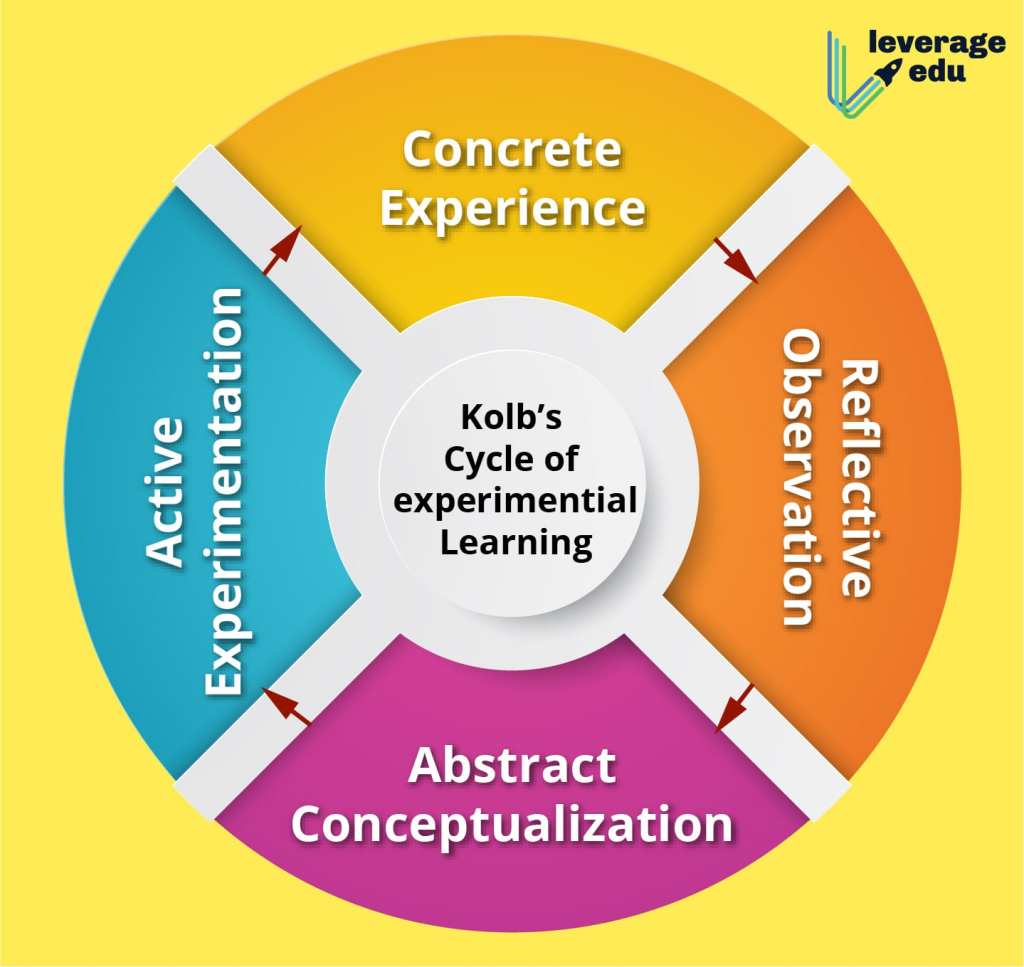
Experiential learning is a powerful way of education that emphasizes the importance of hands-on experiences, problem-solving, and critical thinking. This type of learning is based on the belief that people learn best by doing things themselves rather than just reading or listening to someone else’s experience. Alternative schools and educational programs have long embraced experiential…
-
Empowering Students: The Revolutionary Approach of Student-Led Conferences
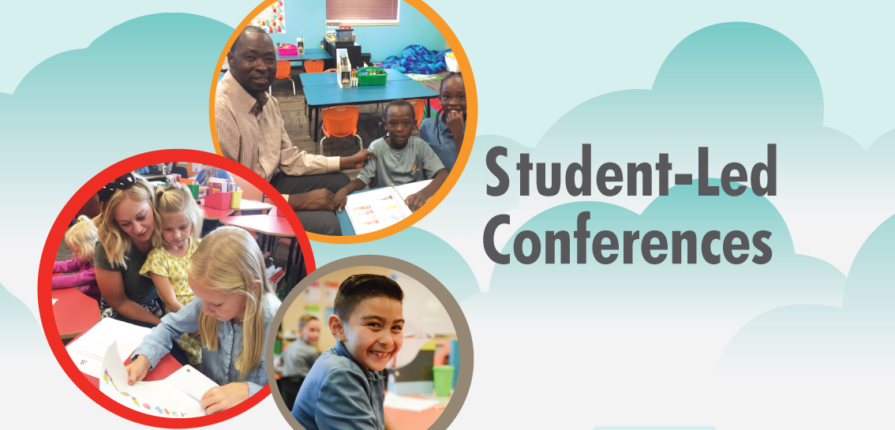
Student-Led Conferences: Empowering Students to Take Ownership of Their Learning For many years, parent-teacher conferences have been the traditional way of communicating a student’s progress in school. However, this model has limited effectiveness as it only involves two parties – the teacher and parents – leaving out the most important stakeholder in the equation –…
-
Project-Based Learning: The Engaging Approach to Education
As more and more schools struggle to engage students in their learning, a new approach has emerged: project-based learning (PBL). PBL is a teaching method where students work on projects that are designed to help them learn skills and knowledge relevant to the real world. This method of teaching has been around for over 100…
-
“Unleashing the Power of Interest-Led Learning: A Personalized Approach to Education”

Interest-led learning is a style of education that has gained popularity in recent years, and for good reason. It’s an approach to education that is centered around the student’s interests and passions, rather than on standardized curricula or textbooks. The goal of interest-led learning is to help students develop a love for learning by allowing…
-
Entrepreneurship: The Key to Unlocking Your Dreams

Entrepreneurship: The Path to Achieving Your Dreams Entrepreneurship is the art of creating a business or organization to solve problems and meet the needs of people. It is not limited to a particular field but cuts across all sectors. Entrepreneurs are individuals who have an unquenchable thirst for success, innovative thinking, determination, creativity, and risk-taking…
-
Life Skills Coaching: The Key to Success Beyond Academics

Life Skills Coaching: A Valuable Tool for Alternative Schooling and Education Alternative schooling and education methods are becoming increasingly popular as more people recognize the limitations of traditional education in preparing students for real-world challenges. However, alternative schools still face the challenge of equipping students with crucial life skills that can help them succeed beyond…
-
“Transforming Education: The Benefits and Challenges of Experiential Learning”

Experiential learning is a unique approach to education that aims to provide students with practical, hands-on experiences in order to enhance their understanding of the subject matter. Unlike traditional classroom-based learning, experiential learning focuses on real-world applications that allow students to engage in problem-solving and critical thinking. One of the benefits of experiential learning is…
 Alternative Amie