Tag: peer feedback
-
Empowering Alternative Learners: Enhancing Growth Through Peer Feedback Strategies
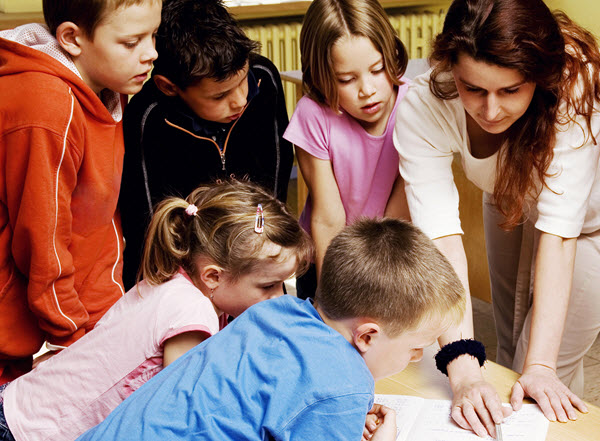
Peer feedback is a valuable tool in any educational setting, including alternative schooling and education programs. It allows students to learn from each other, develop critical thinking skills, and improve their own work through constructive criticism. In this article, we will explore various peer feedback strategies that can be implemented in alternative schooling environments to…
-
“Empowering Education: The Rise of Personalized Learning and Innovative Assessments”

Personalized learning plans are becoming increasingly popular in education as they cater to individual student needs and interests. These plans are tailored to each student’s unique learning style, pace, and goals. By creating personalized learning plans, educators can ensure that students are more engaged and motivated to learn, leading to better academic outcomes. These plans…
-
Collaboration and Communication: Essential Skills for Alternative Schooling
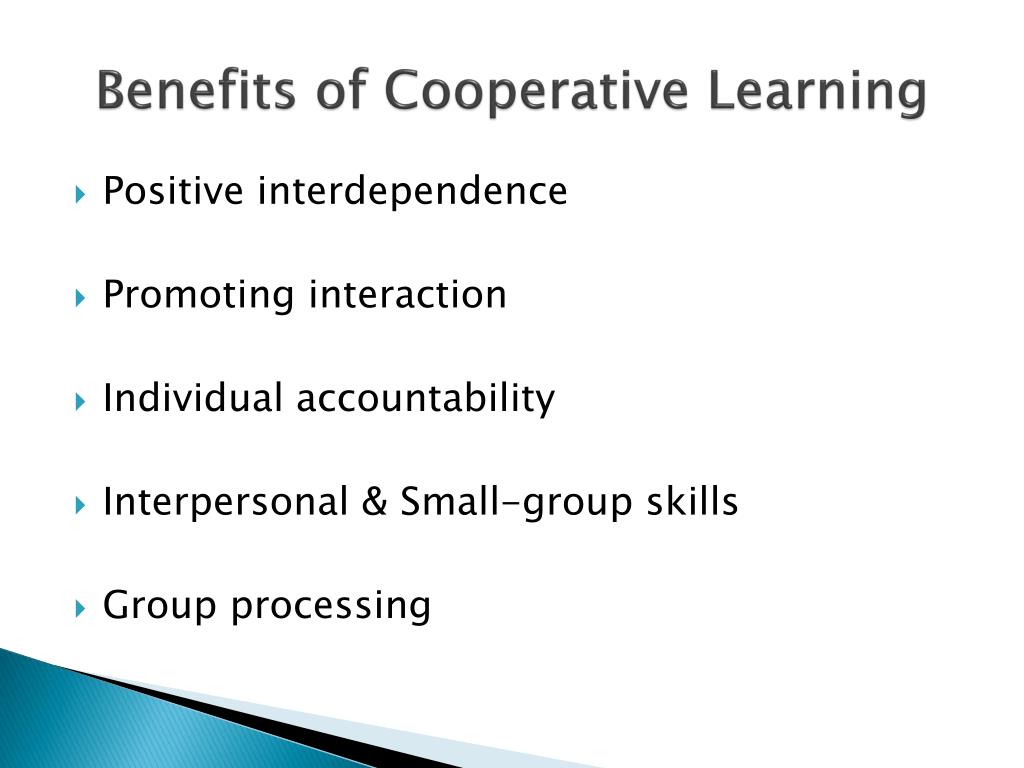
Collaboration and Communication: Essential Skills for Alternative Schooling In the ever-evolving landscape of education, alternative schooling approaches have gained significant attention. These non-traditional methods prioritize individualized learning, critical thinking, and creativity while fostering a sense of community and collaboration among students. In this context, effective communication and collaboration skills become essential for both students and…
-
Rethinking Assessment: Alternative Schools Revolutionize Grading Practices for Student Success

Assessment-based grading has long been a standard practice in traditional education systems. However, alternative schools are rethinking and exploring new approaches to assessment that prioritize student motivation, creativity, critical thinking skills, and overall well-being. One of the main concerns with assessment-based grading is its impact on student motivation. Many students feel demoralized when reduced to…
-
Empowering Students: The Role of Self-Assessment in Project-Based Learning

The Role of Self-Assessment in Project-Based Learning Project-based learning is an innovative approach to education that focuses on students actively engaging in real-world problem-solving and inquiry. It encourages students to take ownership of their learning, develop critical thinking skills, and apply their knowledge in practical ways. One important aspect of project-based learning is self-assessment, which…
-
Unlocking the Power of Peer Feedback: A Game-Changer in Alternative Education

Peer feedback is an essential tool in alternative schooling and education. It allows students to learn from each other, develop critical thinking skills, and improve their own work. Here are some tips for providing effective peer feedback: 1. Be constructive: When giving feedback, focus on the strengths of the work first. Then, point out areas…
-
Empowering Students: The Power of Formative Assessment in Education

Formative Assessment: Empowering Students to Take Ownership of Their Learning Education is more than just acquiring knowledge; it is about empowering students to become lifelong learners and critical thinkers. In traditional education systems, the focus has often been on summative assessments that determine a student’s final grade or performance at the end of a unit…
-
“Collaborative Learning in Homeschooling Co-ops: Fostering Success Through Cooperation”

Cooperative learning is a popular approach in homeschooling co-ops, where families come together to create a supportive and collaborative educational environment for their children. These co-ops offer numerous benefits, such as shared resources, diverse perspectives, and opportunities for socialization. In this article, we will explore the cooperative learning strategies utilized in homeschooling co-ops that promote…
-
Navigating the Challenges and Benefits of Group Projects: Your Questions Answered

Group projects are a common aspect of education, and they serve as an excellent opportunity for students to collaborate and learn from one another. However, group work can also be challenging if not approached properly. In this Q&A style post, we will address some frequently asked questions about group projects. Q: Why are group projects…
-
Harnessing the Power of Formative Assessment for Alternative Schooling and Education

Formative Assessment: A Powerful Tool for Alternative Schooling and Education Q: What is formative assessment? A: Formative assessment refers to a range of strategies and techniques used by educators to gather information about students’ learning progress during the instructional process. Unlike summative assessments, which are typically administered at the end of a unit or course…
 Alternative Amie