Tag: Peer Collaboration
-
“Engaging Virtual Students: Tips for Keeping Them Motivated and Involved”

Virtual schools have become increasingly popular in recent years, providing students with an alternative to traditional brick and mortar schools. With the COVID-19 pandemic forcing many schools to shift online, more students than ever are attending virtual schools. However, one of the biggest challenges facing virtual schools is how to keep students engaged and motivated.…
-
“Empowering Special Needs Students Through Project-Based Learning”

Project-Based Learning for Special Needs Students Project-based learning is a powerful approach to teaching that enables students to learn through investigating, creating, and reflecting on real-world problems and challenges. This method of education has shown great potential for special needs students as it allows them to develop skills in an interactive and engaging way. The…
-
Dictation: The Powerful Learning Tool for Alternative Education Programs

Dictation: A Powerful Learning Tool for Alternative Schooling and Education As a writer, you may have heard of dictation as a way to increase your productivity and efficiency. However, did you know that dictation can also be an incredibly powerful tool for alternative schooling and education? In this post, we will explore what dictation is,…
-
The Power of Self-Assessment: Empowering Alternative Education Students

Self-Assessment: The Importance of Reflection in Alternative Education In alternative schooling and education, self-assessment is a vital tool that empowers students to take ownership of their learning. It provides a platform for reflection, growth, and development that goes beyond the traditional grading system. By promoting self-awareness and critical thinking skills, self-assessment enables learners to identify…
-
Navigating Multiple Identities: Code-Switching and Code-Mixing in Alternative Education Settings
Code-switching and Code-mixing: Navigating Multiple Identities in Alternative Education Settings As we navigate through our daily lives, we often find ourselves switching between different languages or dialects, depending on who we are speaking with. This phenomenon is known as code-switching and is a common practice for individuals who speak more than one language or come…
-
“Gamification: The Fun and Effective Way to Learn!”
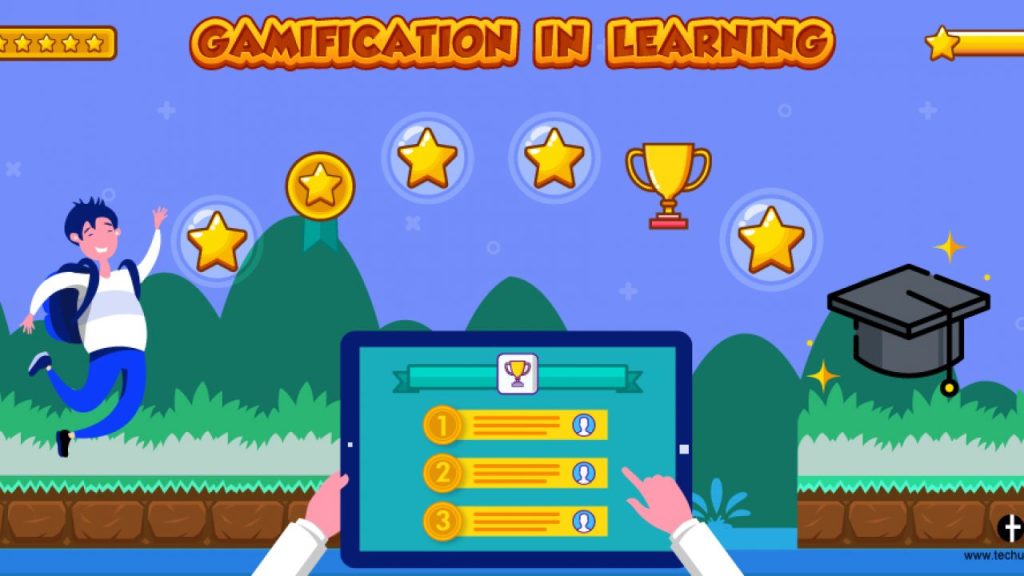
Gamification is a popular approach to make learning more engaging and interactive. It refers to the use of game design elements in non-game contexts, such as education, to motivate and encourage learners to participate actively in the learning process. The concept has been gaining popularity in recent years because it offers an innovative way of…
 Alternative Amie