Tag: Peer Collaboration
-
Unlocking the Power of Translanguaging: Embracing Multilingualism in the Classroom

Translanguaging in the Classroom: Fostering Multilingualism and Inclusive Education In traditional classrooms, students are often expected to use only one language for instruction and communication. However, with the increasing diversity of student populations around the world, educators are recognizing the importance of embracing multilingualism and incorporating translanguaging practices into their teaching strategies. Translanguaging refers to…
-
Unlocking the Power of Open-Ended Questions in Education

In the realm of education, open-ended questions and responses play a vital role in encouraging critical thinking, fostering creativity, and promoting deeper understanding. Unlike closed-ended questions that yield simple yes or no answers, open-ended questions invite students to reflect, analyze, and articulate their thoughts in a more comprehensive manner. By incorporating open-ended questions into our…
-
“Level Up Your Learning: The Power of Gamification in Online Education”
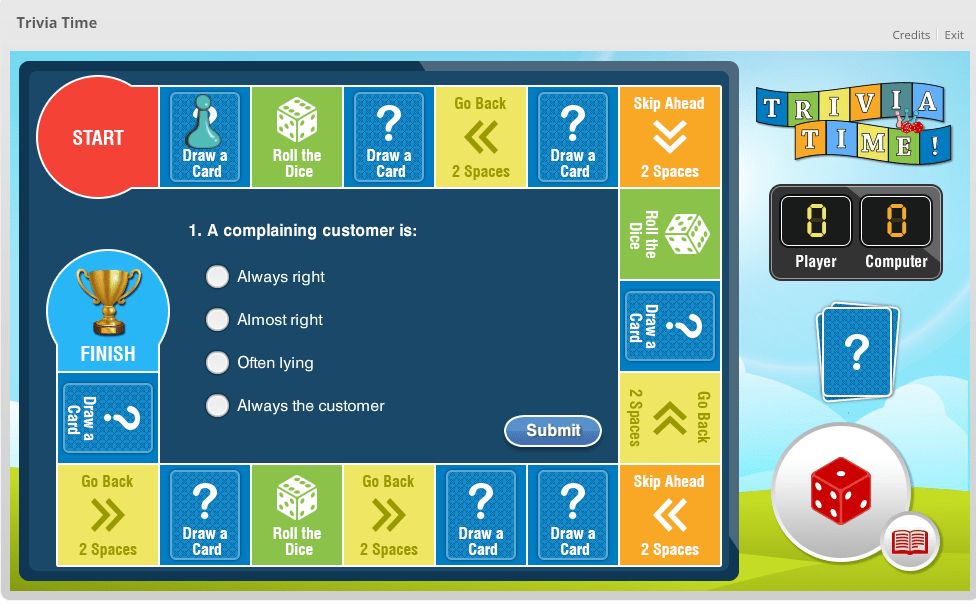
Gamification in Online Learning One of the most effective ways to engage students in online learning is through gamification. Gamification involves incorporating game elements and mechanics into educational activities, making them more interactive and enjoyable for learners. By adding elements such as points, badges, leaderboards, and levels, teachers can create a sense of competition and…
-
“Blended Learning: Empowering Alternative Education with Personalization and Innovation”

Personalized learning in blended environments is a powerful approach that combines the benefits of traditional face-to-face instruction with online resources and tools. It allows students to have more control over their learning experience, tailoring it to their individual needs and preferences. In a blended environment, students can access content and resources at their own pace,…
-
Unlocking the Potential: Virtual Schools Empower Gifted and Talented Students

Virtual School Support for Gifted and Talented Students Gifted and talented students possess exceptional abilities and talents that require a unique approach to education in order to fully develop their potential. Traditional schools often struggle to meet the needs of these students due to limited resources, rigid curriculum structures, and a lack of specialized instruction.…
-
“Level Up Learning: Gamification Transforms Blended Education”

Gamification in Blended Learning In recent years, gamification has become a popular concept in education, transforming the way students engage with content and enhancing their learning experience. When applied to blended learning environments, where online and offline components are combined, gamification can be particularly effective in motivating students and promoting active participation. Blended learning refers…
-
Nurturing Future Leaders: Alternative Education’s Path to Leadership Development
Leadership Development: Nurturing Future Leaders in Alternative Education Introduction: In today’s rapidly evolving world, leadership is a crucial skill that goes beyond traditional schooling. Alternative education systems recognize the importance of developing leadership skills in students to prepare them for success in their personal and professional lives. By fostering qualities such as empathy, adaptability, critical…
-
Mastering the Juggling Act: Balancing High School and College Courses

As high school students, the thought of taking college-level courses can be both exciting and daunting. Early college programs offer the opportunity to earn college credits while still in high school, providing a head start on higher education. However, balancing the workload of both high school and college coursework can be quite challenging. In this…
-
“Empowering Students: The Benefits of Self-Directed Learning and Alternative Education Approaches”

Project-based learning is an educational approach that allows students to gain knowledge and skills by actively engaging in real-world projects. It emphasizes hands-on experiences, problem-solving, critical thinking, and collaboration. Students work on projects that are meaningful and relevant to their lives, which enhances their motivation and engagement. Inquiry-based learning involves posing questions, problems, or scenarios…
-
Unleashing the Power of Peer Collaboration in Virtual Schools

Peer Collaboration and Communication in Virtual Schools In virtual schools, peer collaboration and communication play a vital role in creating a supportive learning environment. While the traditional classroom setting allows for face-to-face interaction among students, virtual schools offer unique opportunities for collaboration through online platforms and tools. This article aims to explore the importance of…
 Alternative Amie