Tag: Peer Collaboration
-
Unlocking the Power of Multi-Age Classrooms: A New Frontier in Education

Multi-age classrooms, also known as mixed-age or multi-grade classrooms, are a unique approach to education that challenges the traditional model of grouping students solely based on their age. In these settings, children from different grade levels are grouped together in the same classroom and learn collaboratively under the guidance of a teacher. The concept of…
-
Empowering Learning: Differentiated Instruction Thrives in Multiage Classrooms

Differentiated instruction in multiage classrooms is a teaching approach that recognizes the diverse needs, interests, and learning styles of students within a single classroom. By tailoring instruction to meet individual students’ needs while also fostering collaboration among peers of different ages, educators can create a dynamic and inclusive learning environment that supports student growth and…
-
Maximizing Student Potential Through Differentiated Instruction

Differentiated instruction is a teaching approach that tailors lesson plans and classroom activities to meet the diverse learning needs of students. It recognizes that each student has unique strengths, weaknesses, interests, and ways of learning. By providing multiple avenues for students to learn and demonstrate understanding, differentiated instruction aims to maximize each student’s potential for…
-
“Unlocking Potential: The Power of Differentiated Instruction in the Classroom”

Differentiated instruction is a teaching approach that recognizes and responds to the diverse learning needs of students in a classroom. This method focuses on tailoring instruction to meet individual students’ strengths, needs, interests, and readiness levels, allowing all learners to access the curriculum effectively. One of the main principles of differentiated instruction is flexibility. Teachers…
-
“Blending Success: Harnessing the Power of Project-Based Learning, Personalized Plans, Virtual Reality, and Social-Emotional Skills in Education”
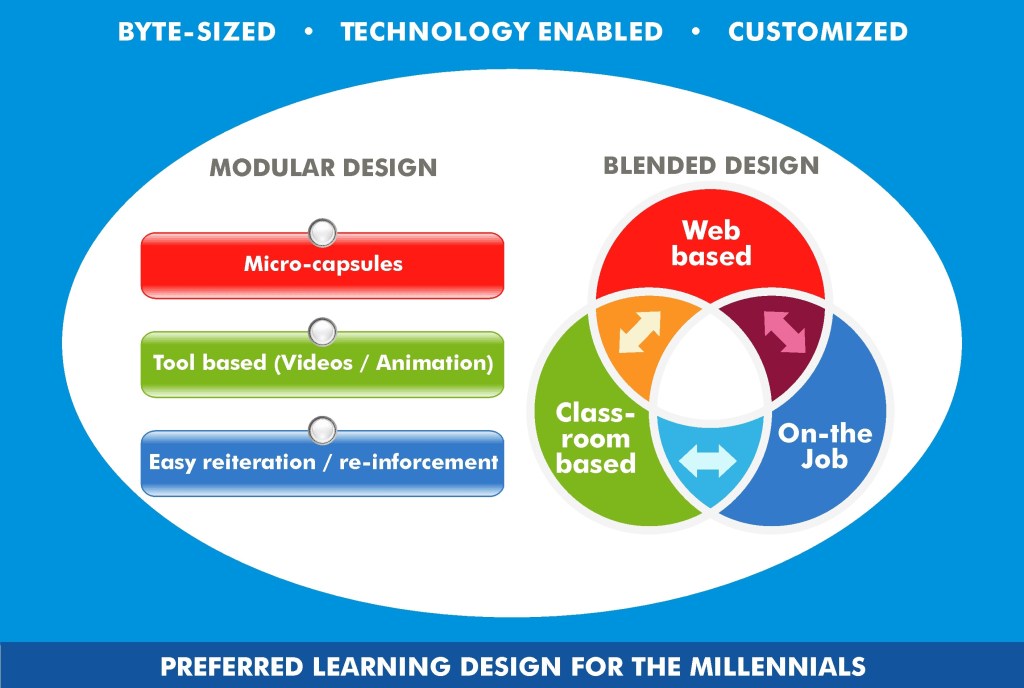
Project-based learning in blended environments is a powerful approach that combines traditional classroom instruction with online resources and technology to engage students in real-world, hands-on projects. By incorporating project-based learning into blended environments, students can develop critical thinking, problem-solving, collaboration, and communication skills while also mastering academic content. Personalized learning plans are essential for alternative…
-
Unlocking the Power of Multiage Classrooms: A Path to Academic Success and Social Growth

In traditional education systems, students are often separated by age groups and placed in classrooms with peers of the same age. However, multiage classrooms offer a unique alternative approach to learning that brings together students of different ages within the same classroom. This model has gained popularity in recent years due to its numerous benefits…
-
10 Reasons Why Peer Collaboration in Assessment is Key for Alternative Education Success

Peer collaboration in assessment is a valuable tool in alternative schooling and education settings. It allows students to work together, share ideas, and provide feedback to one another, ultimately enhancing their learning experience. Here are 10 reasons why peer collaboration in assessment is beneficial: 1. Diverse perspectives: When students collaborate with their peers on assessments,…
-
Empowering Education: The Power of Metacognitive Strategies
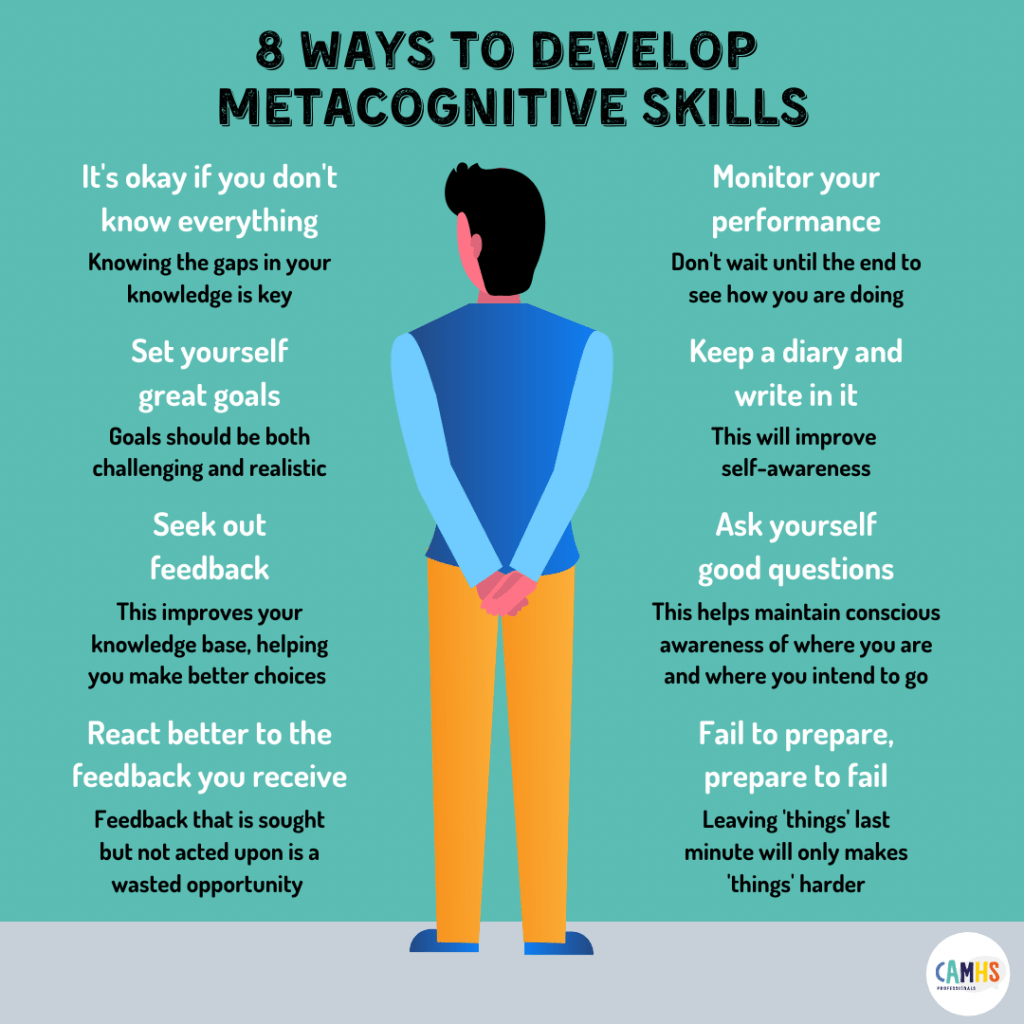
Metacognition, or thinking about one’s own thinking processes, is a valuable skill that can greatly enhance learning and problem-solving abilities. In the realm of education, metacognitive strategies have gained significant attention as they empower students to take control of their learning, monitor their understanding, and make adjustments to improve their performance. One effective metacognitive strategy…
-
Boosting Student Engagement: Strategies for Dynamic Assessments

Student engagement in assessments is a crucial aspect of alternative schooling and education. Assessments are not just about evaluating students’ knowledge; they also play a significant role in enhancing learning outcomes and helping educators understand how well students have grasped the concepts. Here are some strategies to increase student engagement in assessments: 1. **Make assessments…
-
Navigating the Transition: Key Strategies for Success in Online Schooling

Transitioning from traditional schooling to online schooling can be a daunting task for many students, parents, and educators alike. The shift from a physical classroom to a virtual one requires adaptation and adjustments on various levels. While online schooling offers flexibility and convenience, it also presents its own set of challenges that need to be…
 Alternative Amie