Tag: Peer assessment
-
Embrace the Benefits of Peer Assessment in Group Projects
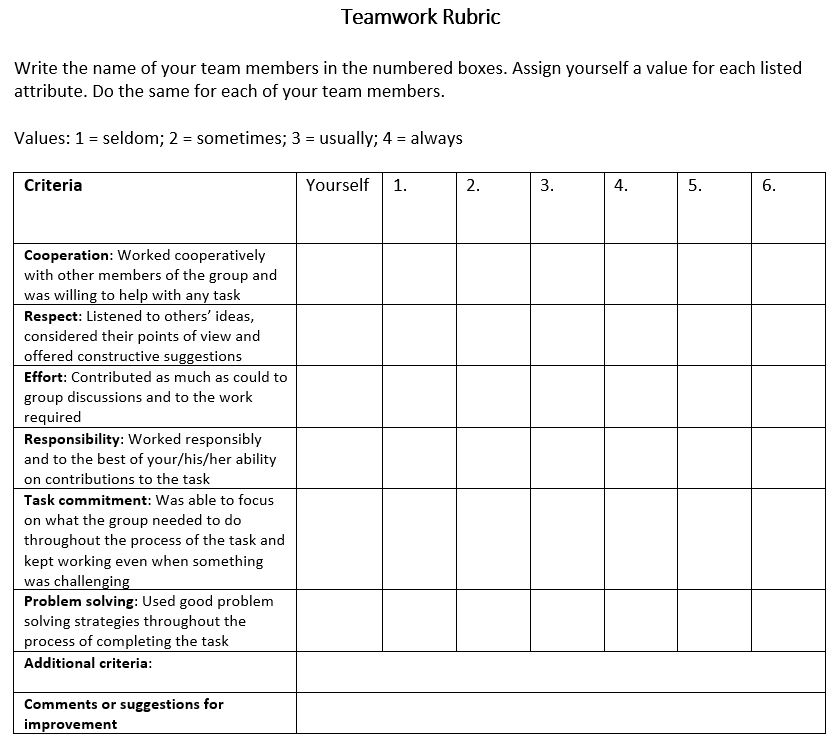
Peer assessment – the dreaded yet inevitable part of group projects in school. We’ve all been there – sitting around a table, nervously passing our papers to our classmates and silently praying that they’ll be gentle with their critiques. But fear not, dear students! Peer assessment doesn’t have to be a source of dread and…
-
Navigating the Challenges of Collaborative Learning in Modern Education
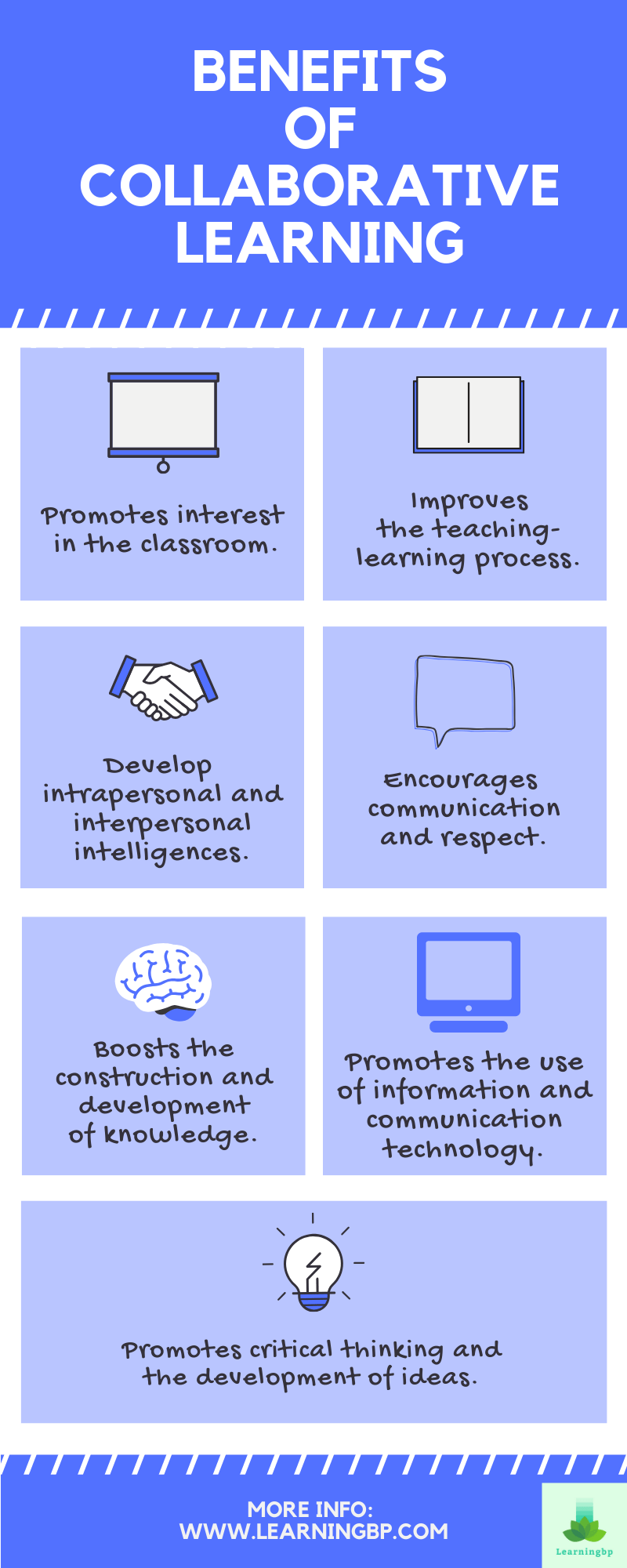
Collaborative learning is an essential component of modern education, allowing students to work together, share ideas, and learn from one another. However, it comes with its own set of challenges that need to be addressed for effective group work. Peer assessment can be a valuable tool in collaborative learning, providing students with the opportunity to…
-
Empowering Students Through Peer Assessment: Enhancing Learning and Collaboration

Self-assessment techniques are valuable tools for students to reflect on their own learning progress and performance. One common self-assessment method is the use of checklists or rubrics that outline specific criteria for success, allowing students to evaluate their work against these standards. Journaling or reflective writing can also help students track their growth and identify…
-
Empowering Students through Effective Peer Assessment Training

Peer assessment is an essential component of alternative education that can promote a supportive learning environment, foster critical thinking skills, and enhance students’ understanding of their own work. By engaging in peer assessment, students have the opportunity to receive feedback from their peers, provide constructive criticism, and develop a deeper appreciation for the value of…
-
15 Reasons Why Rubrics Are Essential in Alternative Education Settings

Rubrics are an essential tool in the world of education, providing a clear and structured way to assess student work. They offer transparency, consistency, and fairness in evaluating student performance across various tasks and assignments. In alternative schooling and education settings, where traditional grading systems may not always align with the unique learning approaches used,…
-
Empowering Students Through Innovative Assessment Practices in Alternative Schools

Performance tasks, self-assessment, peer assessment, rubrics, authentic assessment, goal setting, reflection, feedback loops, student-led conferences, digital portfolios, project-based learning – these are just a few of the innovative approaches to education that alternative schools and educators are embracing to foster deeper learning experiences for students. One key aspect of alternative schooling is the emphasis on…
-
Maximizing Assessment Strategies in Multiage Classrooms for Enhanced Student Growth

Assessment is a crucial component of the educational process, providing valuable insights into students’ progress and understanding. In a multiage classroom setting, where students of different ages and abilities learn together, assessment strategies play an even more significant role in guiding instruction and supporting student growth. One essential assessment strategy for multiage classrooms is differentiated…
-
Innovative Assessment Strategies for Mixed-Age Groups

Assessment Strategies for Mixed-Age Groups In alternative education settings, mixed-age groups are a common occurrence. These groups consist of students with varying ages, backgrounds, and learning abilities. As such, traditional assessment strategies may not always be effective in evaluating the progress and performance of these diverse learners. Therefore, it becomes imperative for educators to employ…
-
Unleashing the Power of Collaborative Learning: From Peer Assessment to Cross-Age Tutoring
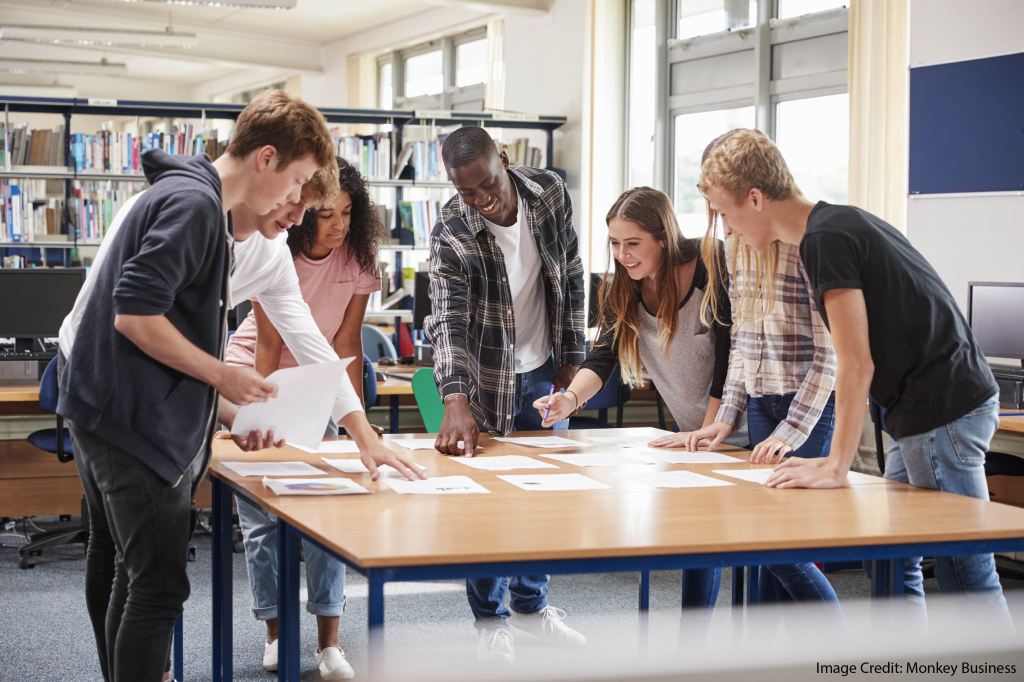
Collaborative learning is a powerful educational approach that fosters teamwork, critical thinking, communication skills, and overall academic success among students. By working together in groups or pairs, students can engage in meaningful discussions, share diverse perspectives, and learn from each other’s strengths and weaknesses. In this article, we will explore various aspects of collaborative learning…
-
Empowering Students Through Innovative Project-Based Learning

Project-based learning (PBL) has gained popularity in educational settings as it offers students a hands-on, interactive approach to learning. One key aspect of PBL is peer assessment, where students evaluate each other’s work. Peer assessment not only helps in developing critical thinking skills but also promotes collaboration and communication among students. By engaging in peer…
 Alternative Amie