Tag: PBL
-
“Project-Based Learning: Igniting Creativity, Collaboration, and Critical Thinking in Education”

Project-based learning (PBL) is an innovative educational approach that has gained popularity in recent years. Unlike traditional classroom teaching methods, PBL focuses on students actively engaging in real-world, hands-on projects to develop their knowledge and skills. This method encourages students to take ownership of their learning by exploring topics they are passionate about and applying…
-
Unlocking the Power of Project-Based Learning: Igniting Curiosity, Fostering Critical Thinking, and Cultivating Ownership

Project-based learning (PBL) is an innovative approach to education that promotes active and engaged learning. Unlike traditional classrooms where students passively receive information, PBL encourages students to take ownership of their learning by working on real-world projects that are meaningful and relevant. One of the key benefits of project-based learning is its ability to foster…
-
15 Reasons Why Project-Based Learning is a Valuable Tool for Alternative Schooling and Education

Project-based learning (PBL) is a teaching method that has gained popularity in recent years. It’s an approach to education that focuses on student-centered learning, where students work on projects that involve real-world problems or challenges. In this article, we’ll explore 15 reasons why project-based learning is a valuable tool for alternative schooling and education. 1.…
-
Project-Based Learning: A Guide to an Authentic and Engaging Education

Project-Based Learning: A Guide to an Authentic and Engaging Education In traditional education, students are expected to sit in a desk for hours, listen to the teacher’s lectures, and memorize information that may or may not be relevant to their lives. However, this approach often fails to engage students’ curiosity or foster critical thinking skills.…
-
Revolutionizing Education: The Innovative Approach of Project-Based Learning

Project-Based Learning: An Innovative Approach to Education Education is evolving, and so are the methods of teaching. With technology advancing at a rapid pace, traditional teaching methods are becoming obsolete. Project-based learning (PBL) has emerged as an innovative approach to education that focuses on practical learning and problem-solving skills. In this article, we will explore…
-
15 Reasons Why Project-Based Learning is the Future of Education

Project-based learning (PBL) is a teaching method that has gained popularity in education circles over the past few years. It emphasizes hands-on, real-world experiences and encourages students to work collaboratively and creatively to solve complex problems. Here are 15 reasons why project-based learning is an effective approach to education. 1. Promotes Active Learning: Unlike traditional…
-
“Project-Based Learning: A Hands-On Approach to Education That Promotes Critical Thinking and Collaboration”
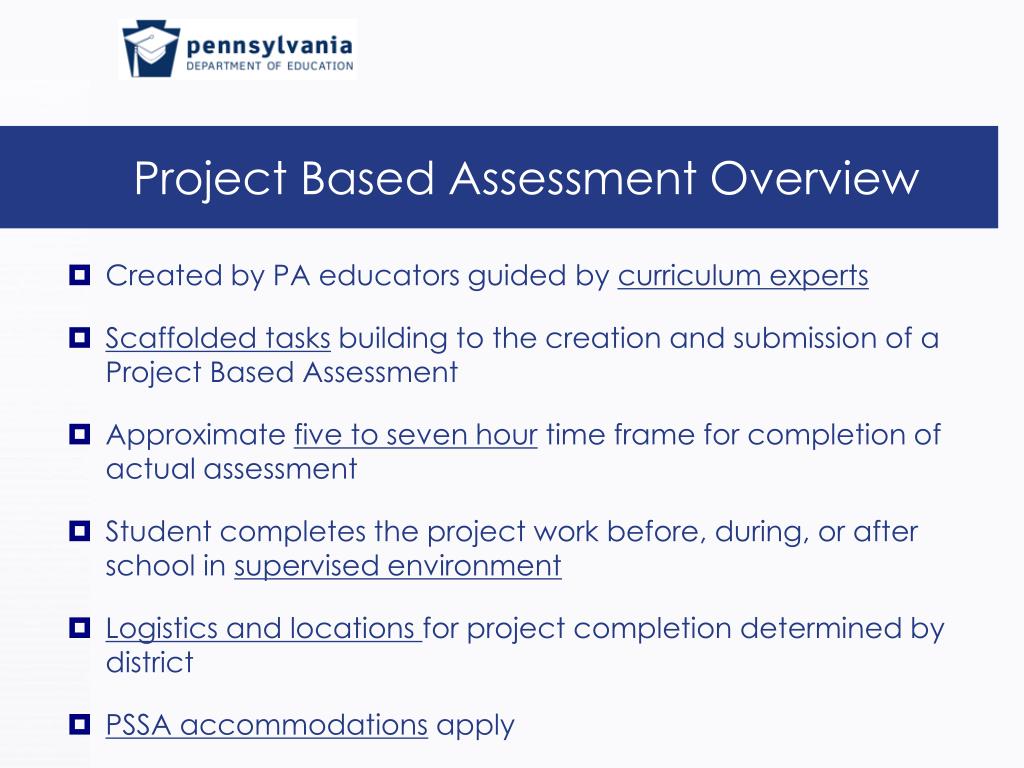
Project-based learning (PBL) is an effective method of teaching that has gained popularity in recent years. It involves students working on a project or problem for an extended period, collaborating with their peers, and presenting their findings to others. One of the primary benefits of PBL is that it provides students with a more hands-on…
-
Unleashing the Power of Project-Based Learning: A Retrospective Look

Project-Based Learning: A Retrospective Look The concept of project-based learning has been around for centuries. It is a teaching approach that emphasizes the importance of students working on projects, which are often collaborative and multidisciplinary in nature. Project-based learning (PBL) is an effective way to engage students in their own education and provide them with…
-
“Transforming Education: Project-Based Learning Prepares Students for Real-World Success”
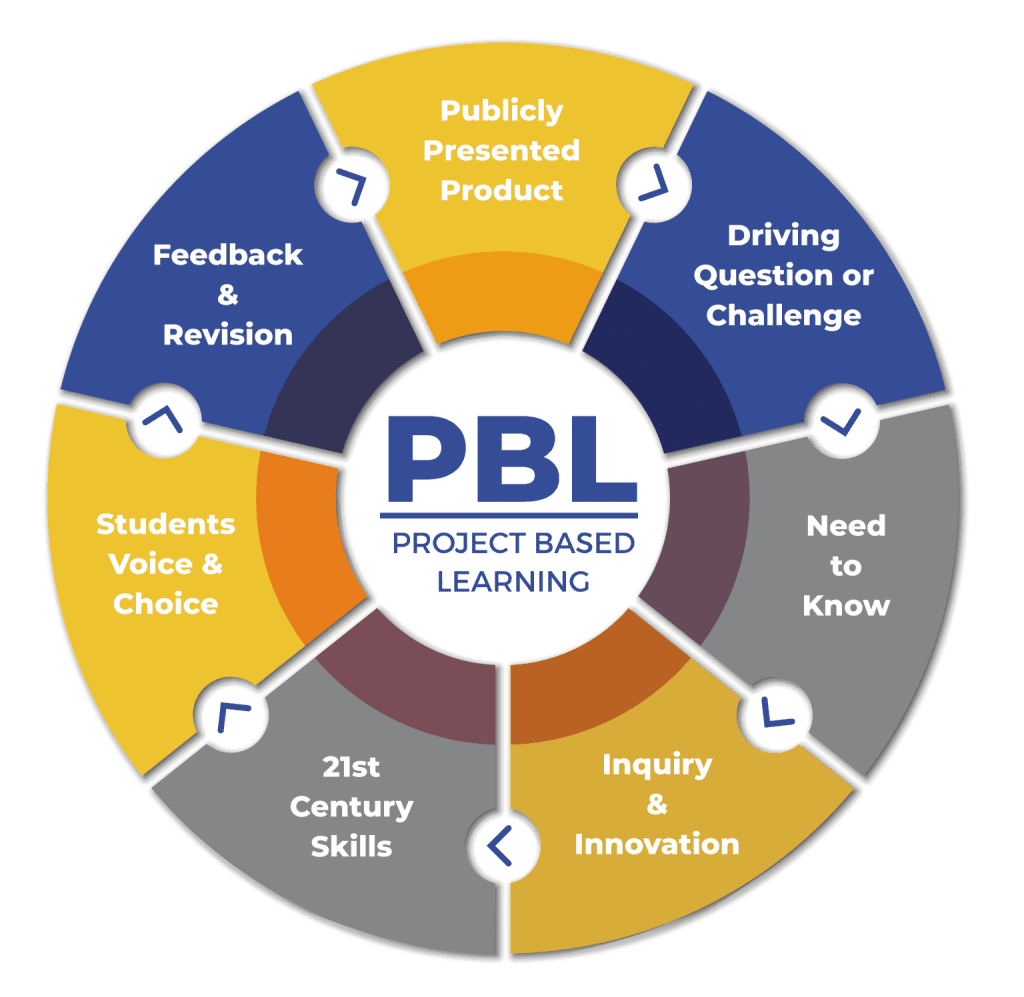
Project-based learning (PBL) is an innovative teaching method that has gained popularity in recent years. It involves students working on a project that requires them to use various skills and knowledge they have acquired in different subject areas. The goal of PBL is to provide students with a more immersive learning experience where they can…
-
Revolutionizing Education: The Power of Interdisciplinary Curriculum Design
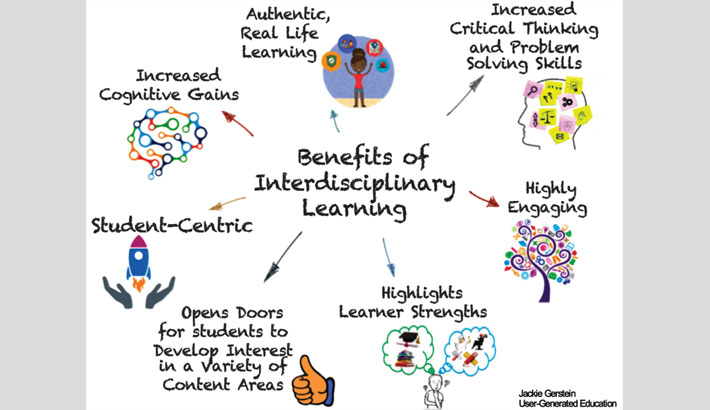
Interdisciplinary Curriculum Design: A Memoir As a writer and journalist, I have always been fascinated by the idea of creating an education system that fosters not only academic excellence but also critical thinking skills, creativity, and innovation. I grew up in a traditional school setting where students were expected to learn subjects in isolation. This…
 Alternative Amie