Tag: parent involvement
-
Empowering Education: Student-Led Curriculum Fosters Autonomy and Creativity

In recent years, there has been a growing interest in alternative educational approaches that prioritize student agency and holistic development. One such approach gaining recognition is the student-led curriculum model, which fosters a non-coercive learning environment where students have the freedom to direct their own learning experiences. Central to the student-led curriculum is the concept…
-
Empowering Parents: The Key to Student Success

Parent involvement in education is crucial for the success of students. When parents are actively engaged in their child’s educational journey, they can make a significant impact on their academic performance and overall well-being. One of the most important ways that parents can get involved in their child’s education is by establishing open communication with…
-
Empowering Education: Unschooling and Democratic Models Thrive in Rural Communities

Unschooling is a unique approach to education that allows students the freedom to learn through real-life experiences and pursue their interests at their own pace. In rural communities, democratic education can thrive as it offers a more personalized and community-oriented learning experience. Alternative assessment methods in these settings focus on holistic evaluations of student growth…
-
Empowering Students: Key Components of an IEP for Success
Transition planning is a crucial component of an Individualized Education Program (IEP) as it helps students with disabilities prepare for life after high school. This process involves setting goals, exploring post-secondary education options, vocational training opportunities, and community-based instruction that align with the student’s interests and abilities. It also includes identifying necessary accommodations and modifications…
-
Exploring the Rise of Alternative Education: Empowering Students for Success
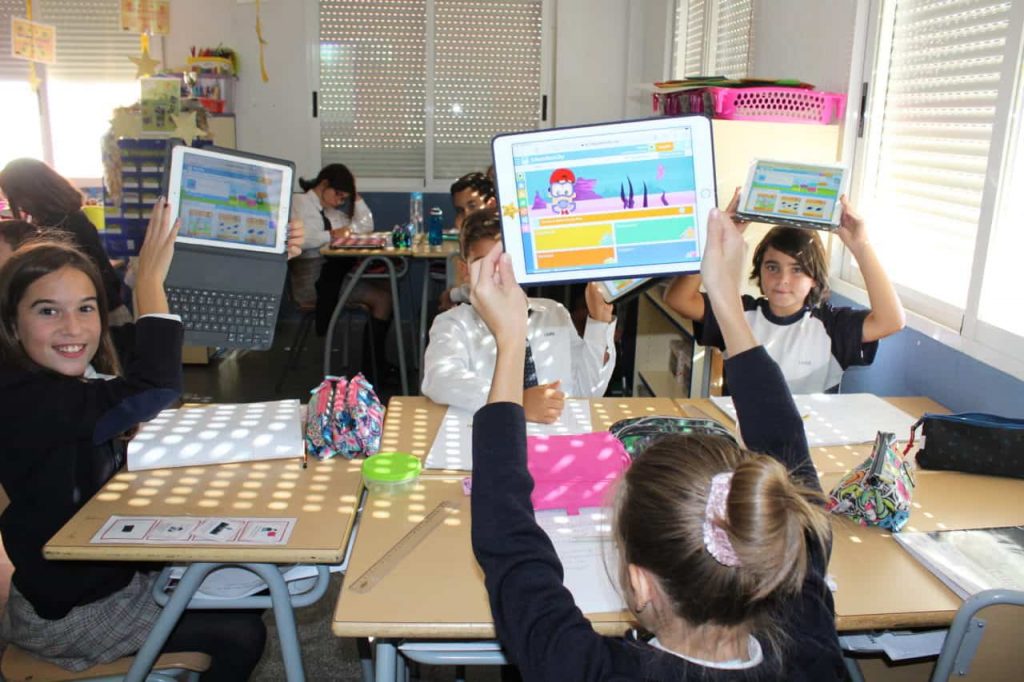
In recent years, there has been a growing interest in alternative education models that prioritize student-led learning, democratic decision-making, and holistic approaches to education. These models aim to create learning environments that foster creativity, critical thinking skills, emotional intelligence, and social responsibility among students. Let’s take a closer look at some key principles and practices…
-
Embracing Eclecticism: Personalized Learning for Every Student
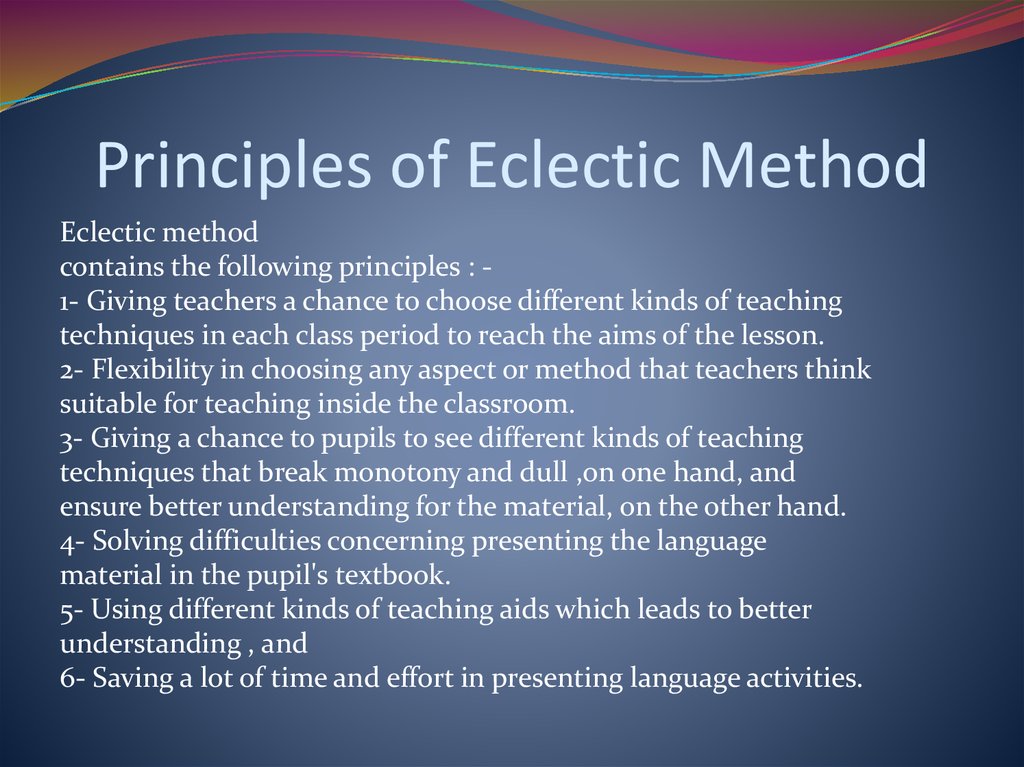
Eclectic curriculum planning is a unique and personalized approach to education that draws from various methods, philosophies, and resources to create a customized learning experience for students. This method allows educators to cater to the individual needs, interests, and learning styles of each student while promoting a well-rounded education. In this Q&A style post, we…
-
Exploring the Dynamic World of Alternative Education: A Journey Beyond Traditional Learning
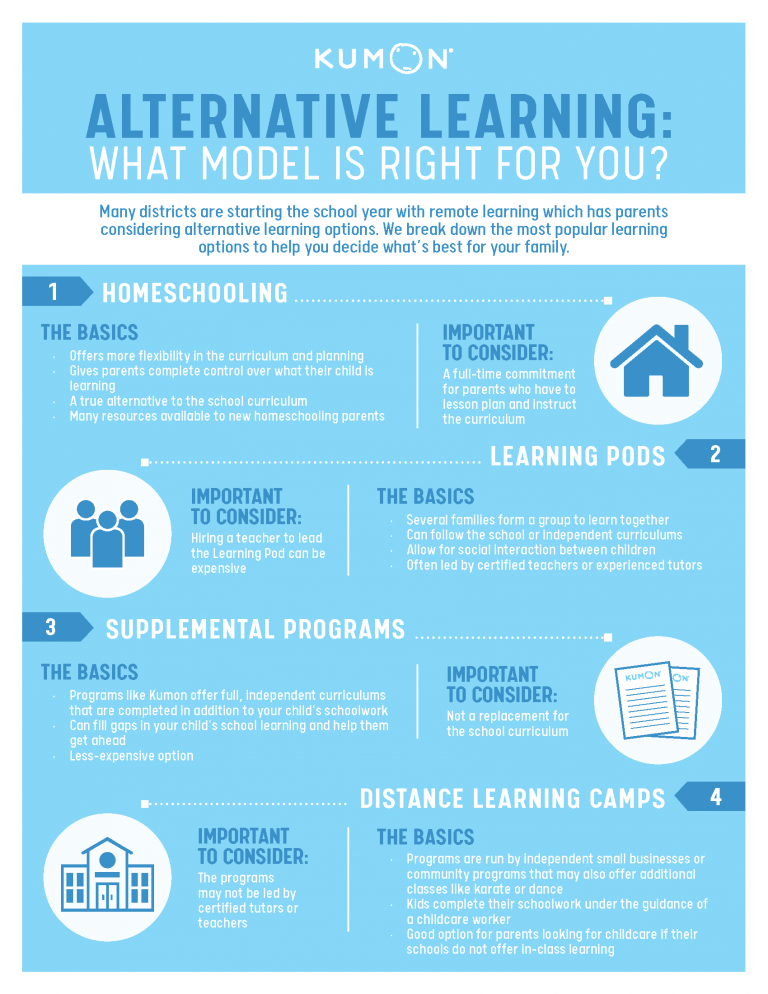
Self-directed learning, democratic decision-making, mixed-age classrooms, unstructured environments – these are just a few of the key components that define alternative schooling and education. In recent years, there has been a growing interest in educational approaches that deviate from traditional methods and prioritize creativity, individuality, and holistic development. Alternative schools offer unique environments where students…
-
Empowering Education: The Reggio Emilia Approach Unleashes Children’s Potential

Child-led learning is a fundamental principle of the Reggio Emilia approach to education, where children are viewed as competent and capable individuals who drive their own learning experiences. This philosophy emphasizes the importance of honoring each child’s unique interests, strengths, and curiosities, allowing them to take the lead in their educational journey. Project-based curriculum is…
-
Empowering Learners: The Reggio Emilia Approach in Education

Child-led learning is a fundamental aspect of the Reggio Emilia approach, emphasizing that children are natural learners who should take an active role in their education. This philosophy aligns with project-based learning, where students engage in long-term, in-depth investigations on topics that interest them. By documenting children’s work throughout these projects, teachers can track progress…
-
Empowering Students: The Rise of Virtual Schools for Diverse Learners

Virtual schools have become increasingly popular options for students with disabilities, offering personalized learning plans and specialized support services to meet their unique needs. These online platforms provide a flexible and accessible learning environment that can cater to various disabilities, including physical, cognitive, and emotional challenges. Through individualized accommodations and assistive technologies, virtual schools empower…
 Alternative Amie