Tag: ownership of learning
-
Empowering Students Through Personalized Learning: The Key to Alternative Education Success

Student choice and voice in curriculum decisions are crucial elements of alternative education that prioritize personalized learning experiences. To gain insights into this topic, I had the opportunity to interview Dr. Sarah Johnson, an expert in student-centered approaches to education. Dr. Johnson emphasized the importance of empowering students to have a say in their own…
-
Empowering Students: The Value of Student-Led Conferences in Alternative Education

Student-led conferences are a valuable tool in alternative schooling and education settings as they promote student agency, ownership of learning, and foster positive relationships between students, parents, and teachers. These conferences involve students taking the lead in presenting their academic progress, achievements, areas for growth, and goals to their parents or guardians. One of the…
-
Empowering Students: The Rise of Student-Led Conferences in Education
Student-led conferences have gained popularity in schools as a way to empower students, promote ownership of learning, and enhance communication between students, parents, and teachers. In traditional parent-teacher conferences, the teacher typically leads the discussion about the student’s progress and performance. However, in student-led conferences, the student takes on an active role in presenting their…
-
Boosting Learning and Skills: The Power of Peer Assessment in Alternative Education
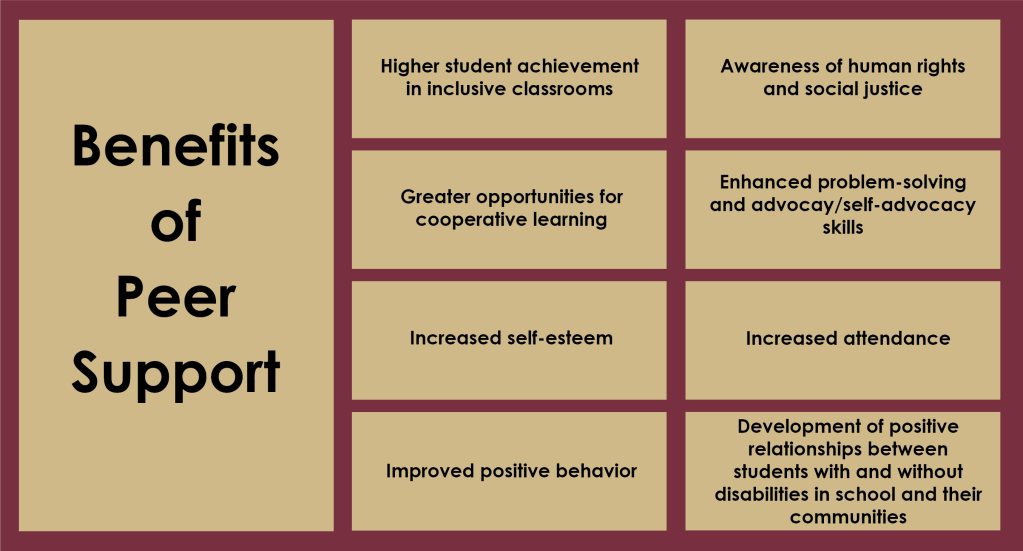
Peer assessment is a valuable tool in alternative schooling and education for several reasons. First and foremost, it promotes active learning by engaging students in the evaluation process. When students are responsible for assessing their peers’ work, they must critically analyze the material, understand the criteria being evaluated, and provide constructive feedback. This not only…
-
Empowering Students with Personalized Learning Plans: Taking Ownership of Education

Personalized Learning Plans: Empowering Students to Take Ownership of Their Education Education is a journey that should be tailored to meet the unique needs and interests of each student. In traditional classrooms, however, this individualized approach can often be challenging to achieve. This is where personalized learning plans come into play, revolutionizing the way we…
-
Empowering Students through Real-World Experiences: The Power of Project-Based Learning

Project-Based Learning: Empowering Students through Real-World Experiences In the age of information and technology, traditional methods of education are being challenged. As educators seek innovative ways to engage students and prepare them for the complex challenges of the future, project-based learning (PBL) has emerged as a powerful tool. This approach shifts the focus from rote…
-
Empowering Students: The Power of Formative Assessment in Education

Formative Assessment: Empowering Students to Take Ownership of Their Learning Education is more than just acquiring knowledge; it is about empowering students to become lifelong learners and critical thinkers. In traditional education systems, the focus has often been on summative assessments that determine a student’s final grade or performance at the end of a unit…
-
Empowering Students in Alternative Education: Putting Student Voice and Agency at the Center

Student Voice and Agency: Empowering Students in Alternative Education Introduction: In traditional educational settings, students are often seen as passive recipients of knowledge, with little input or control over their own learning. However, alternative schooling and education models aim to challenge this notion by placing student voice and agency at the center of the learning…
-
Student-Led Conferences: Putting Students at the Center of Their Learning Journey

Student-Led Conferences: An Alternative Approach to Grading and Feedback In traditional education, parents are invited to parent-teacher conferences where they receive updates on their child’s academic progress. The teacher presents grades and feedback, discussions are had about the student’s strengths and weaknesses, and then everyone goes home. However, in recent years a new approach has…
 Alternative Amie