Tag: outdoor education
-
Gear Up for Outdoor Education: Essential Equipment Costs and Tips

When it comes to outdoor education, having the right equipment is essential for a safe and enjoyable experience. However, the cost of outdoor gear can sometimes be a barrier for individuals or schools looking to engage in outdoor activities. In this post, we will explore the costs associated with various types of outdoor equipment commonly…
-
“Nature’s Classroom: Outdoor Education Enhances Learning and Development”
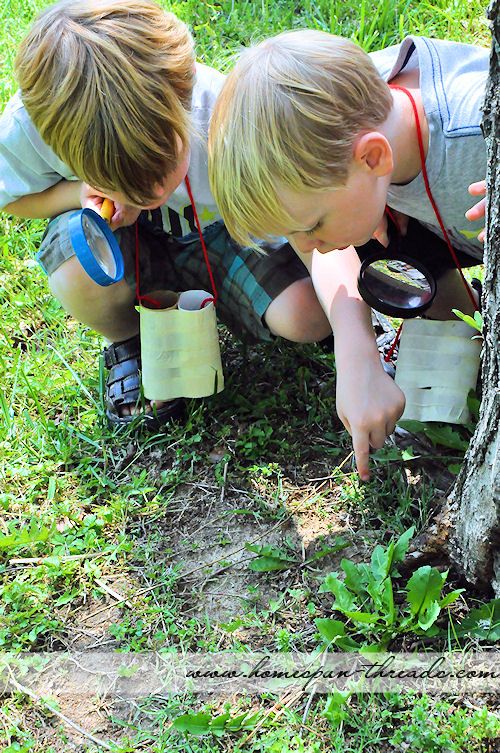
Outdoor education is a dynamic approach to learning that takes place in the natural environment, providing students with hands-on experiences and opportunities for exploration and discovery. This educational philosophy is centered on the belief that engaging with nature can enhance academic, personal, and social development. One of the key benefits of outdoor education is its…
-
Unlocking Learning Potential: The Socratic Method Revolutionizes Education

The Socratic method, named after the ancient Greek philosopher Socrates, is a powerful tool that encourages critical thinking, fosters deep understanding, and promotes meaningful dialogue among students. While traditionally associated with philosophical discussions, the Socratic method can be effectively integrated into various educational settings to enhance learning outcomes and student engagement. One notable application of…
-
Empower Your Education: Integrating Diverse Topics for Holistic Growth

Outdoor Education: 1. Outdoor education is a fantastic way for students to learn about the natural world while developing important life skills. Through activities like hiking, camping, rock climbing, and canoeing, students can build confidence, teamwork, resilience, and problem-solving abilities. Outdoor education programs often focus on environmental stewardship and sustainability, teaching students how to respect…
-
Exploring Alternative Education: From Montessori to Unschooling
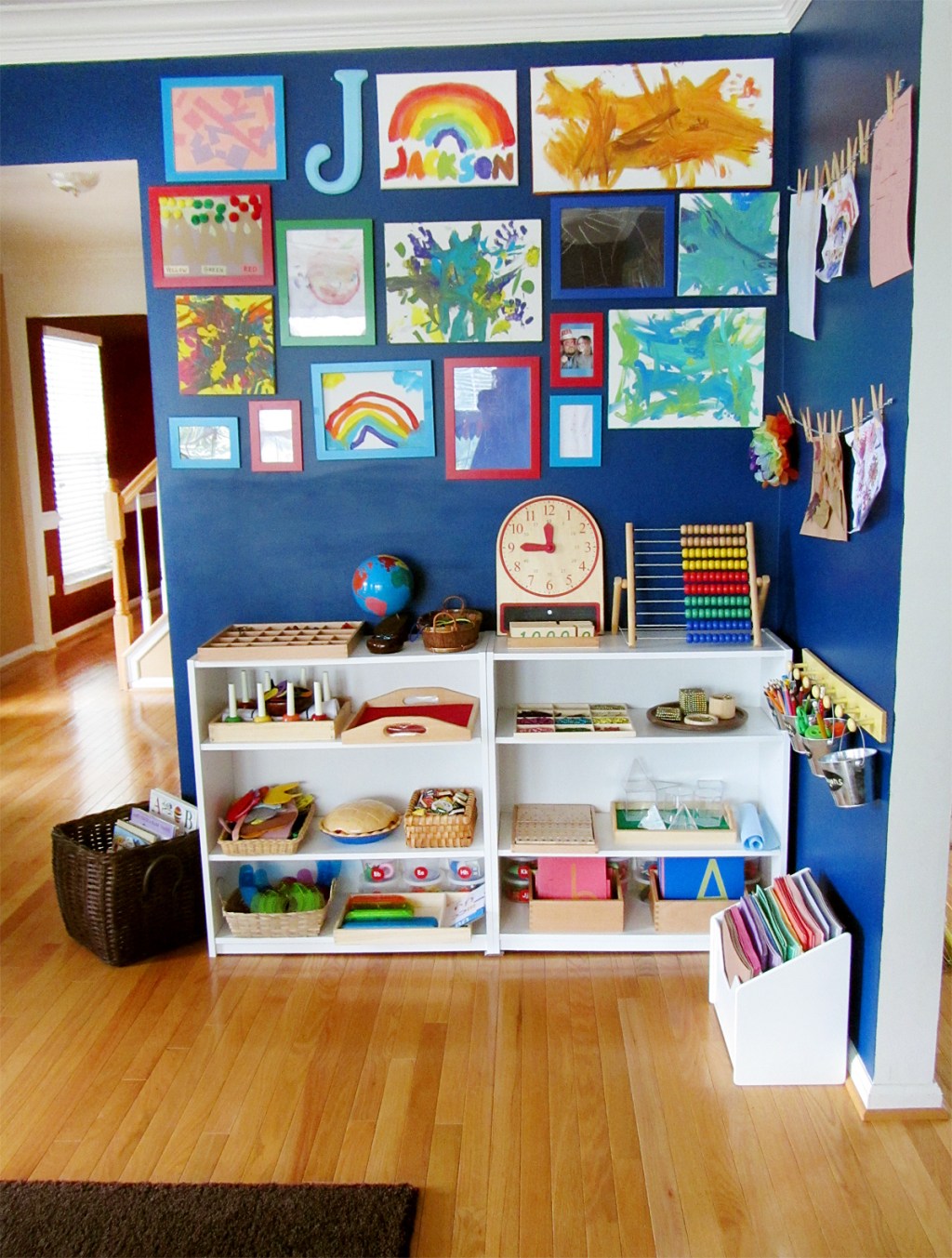
Montessori Education: Q: What is Montessori education? A: Montessori education is an educational approach developed by Dr. Maria Montessori that focuses on child-centered learning, independence, and hands-on activities. It emphasizes individualized learning and encourages children to learn at their own pace through exploration and discovery. Waldorf Education: Q: What sets Waldorf education apart from traditional…
-
Exploring the Rise of Alternative Education Approaches

Alternative education approaches have been gaining popularity in recent years as parents and educators seek out innovative ways to engage students and cater to diverse learning styles. From unschooling to nature-based education, from Montessori method to social-emotional learning, there are a plethora of alternative schooling options available for families looking beyond traditional education systems. Unschooling…
-
Immersive Experiences Revolutionize Alternative Education: Engaging, Interactive, and Memorable Learning Opportunities

Immersive experiences have become a popular way to enhance learning and engagement in various educational settings. These interactive and hands-on activities provide students with the opportunity to immerse themselves fully in a particular subject, making learning more enjoyable and memorable. Here are some immersive experiences that can be incorporated into alternative schooling and education programs:…
-
“Empowering Education: Innovative Applications of Project-Based Learning”

Project-based learning (PBL) offers a dynamic and hands-on approach to education, allowing students to immerse themselves in real-world experiences that foster critical thinking, problem-solving, creativity, and collaboration skills. One exciting application of PBL is through outdoor project-based learning. By taking the classroom outside, students have the opportunity to engage with nature while exploring various subjects…
-
Empowering Education: Student-Led Curriculum Fosters Autonomy and Creativity

In recent years, there has been a growing interest in alternative educational approaches that prioritize student agency and holistic development. One such approach gaining recognition is the student-led curriculum model, which fosters a non-coercive learning environment where students have the freedom to direct their own learning experiences. Central to the student-led curriculum is the concept…
-
Empowering Education: Harnessing Peer Assessment for Engaged Learning

Incorporating peer assessment in project-based learning can be a powerful tool for enhancing student engagement, promoting critical thinking skills, and fostering a sense of collaboration among learners. In traditional educational settings, teachers are typically the sole authorities responsible for evaluating students’ work. However, peer assessment shifts some of this responsibility to the students themselves, empowering…
 Alternative Amie