Tag: outdoor education programs.
-
Innovative Approaches to Education: Nurturing Tomorrow’s Leaders
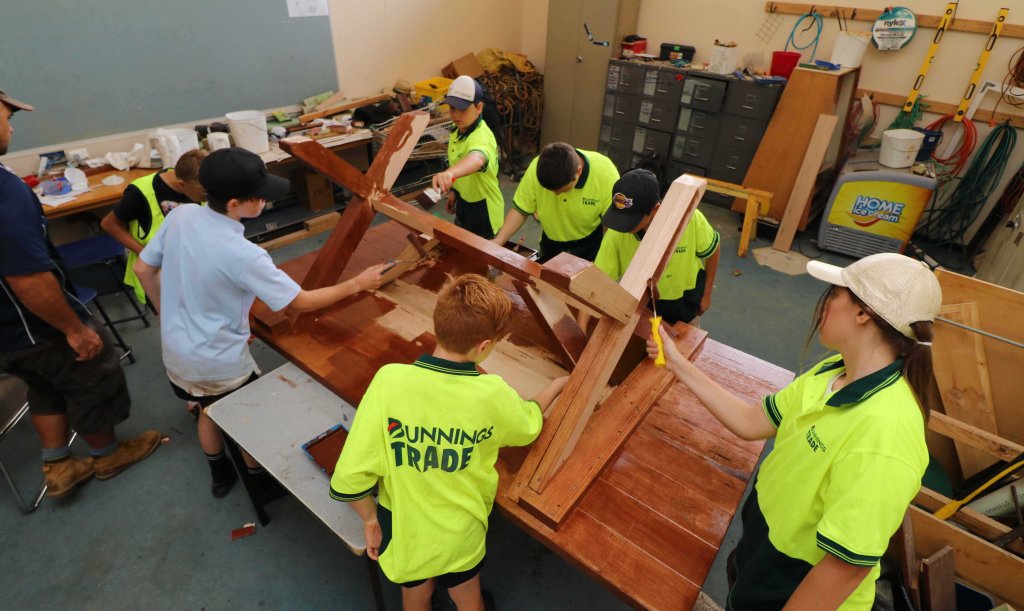
Project-based learning (PBL) is a teaching method that encourages students to learn through hands-on experiences and real-world projects. It focuses on problem-solving, critical thinking, collaboration, and creativity. In project-based learning, students work on projects that are meaningful to them and relevant to their lives. This approach helps students develop skills such as research, communication, time…
-
“Unlocking the Power of Small Class Sizes: A Path to Personalized Learning and Holistic Development”

Small class sizes have long been heralded as a key component of providing high-quality education to students. The benefits of small class sizes extend far beyond just numbers, impacting various aspects of the learning experience and fostering a supportive and nurturing environment for students to thrive. One of the most significant advantages of small class…
-
Embracing the Outdoors: Enhancing Education Through Outdoor Learning
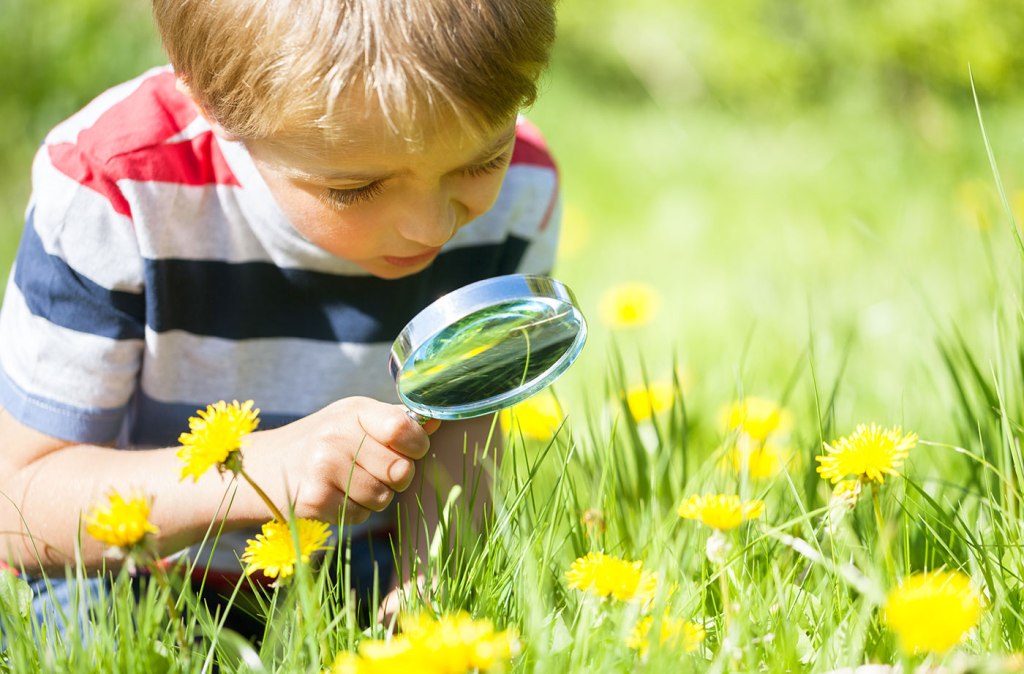
Outdoor learning is a valuable and effective way to engage students in education while fostering a deeper connection with the natural world. Here are some reasons why outdoor learning should be incorporated into educational programs: 1. Hands-on Learning: Outdoor learning provides students with hands-on experiences that cannot be replicated in a traditional classroom setting. Whether…
-
Co-op Education: Fostering Community, Enriched Learning, and Holistic Growth
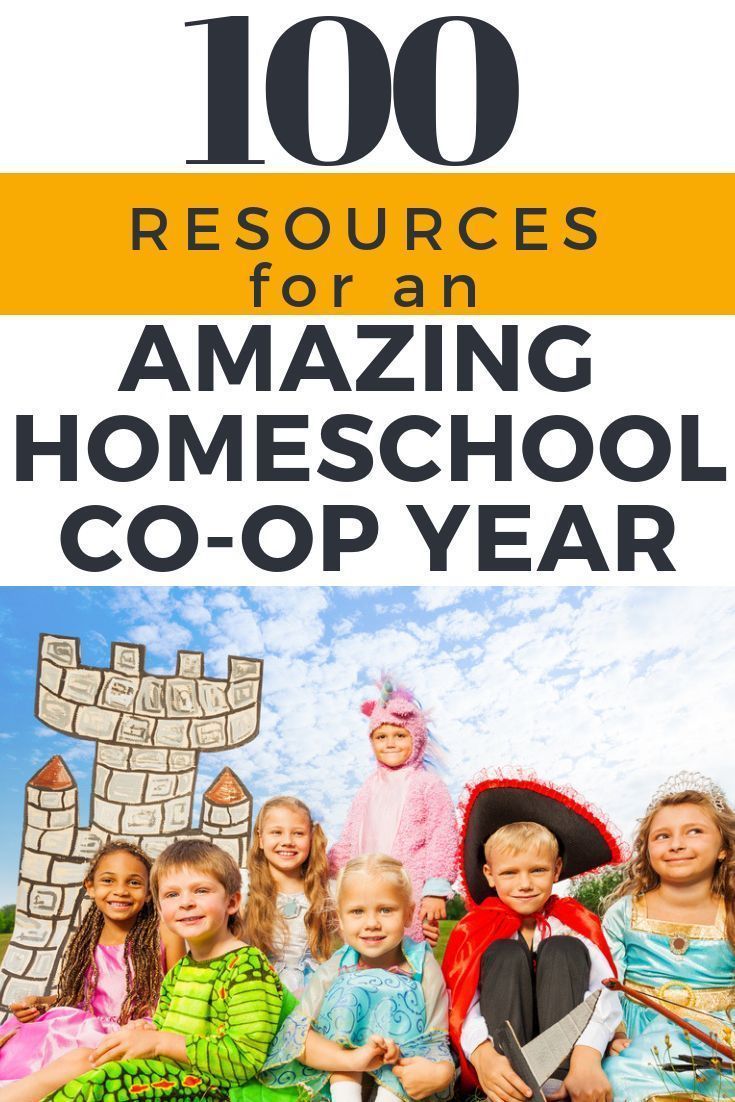
Cooperative (co-op) structures in alternative schooling and education provide a unique approach to learning that emphasizes community involvement and collaboration among families. Co-ops typically consist of groups of homeschooling families who come together to share resources, expertise, and responsibilities in educating their children. This structure allows for a diverse range of educational opportunities that may…
-
Empowering Education: From Project-Based Learning to Unschooling

Project-based learning is an educational approach that emphasizes hands-on, real-world experiences to engage students in deep learning and critical thinking. In project-based learning, students work on projects that are relevant to their interests and allow them to explore complex problems, collaborate with peers, and apply their knowledge in practical ways. This approach helps students develop…
-
“Revolutionizing Education: Innovative Approaches for Individualized Learners”

Alternative education approaches have been gaining popularity in recent years as educators and parents seek more personalized and effective ways to meet the diverse needs of students. From project-based learning to Montessori education, homeschooling techniques to vocational training opportunities, there is a wide range of options available for individualized learners. Project-based learning (PBL) is an…
-
Transforming Education: Alternative Schooling and Innovative Approaches for Personalized Learning Experiences

Alternative Schooling and Education: Transforming Learning Experiences Education is a dynamic field that constantly seeks innovative ways to engage students, foster their growth, and prepare them for the challenges of the future. Traditional schooling methods may not always cater to the diverse needs and interests of every learner. That’s where alternative approaches in education come…
-
Small Schools Offer Remarkable Experiential Learning Experiences

Experiential Learning Experiences Offered by Small Schools In today’s rapidly changing educational landscape, many parents and students are seeking alternative schooling options that go beyond traditional classroom learning. One such approach gaining popularity is experiential learning, which emphasizes hands-on experiences as a way to foster deep understanding and personal growth. While this concept can be…
-
Alternative Schools: Building Strong Connections and Thriving Communities

Socialization in Alternative Schooling: Fostering Connection and Community Alternative schooling has gained popularity in recent years as more parents seek educational options that align with their children’s unique needs and values. One common concern raised by critics of alternative schooling is the potential lack of socialization opportunities for students. However, research suggests that alternative schools…
-
Unleashing Creativity: The Power of Collaborative Learning in Alternative Education

Peer assessment in collaborative learning: Collaborative learning is an approach that emphasizes the importance of teamwork and cooperation among students. It encourages active participation, engagement, and problem-solving skills. One effective strategy within collaborative learning is peer assessment, where students assess and provide feedback on each other’s work. Peer assessment not only promotes critical thinking but…
 Alternative Amie