Tag: non-traditional assessment methods
-
“15 Ways Alternative Schools Champion Inclusivity in Education”

In today’s diverse and ever-evolving society, inclusivity has become an essential principle in education. As educators and institutions strive to create a more inclusive environment, alternative schooling and education have emerged as pioneers in this movement. These unique educational approaches prioritize inclusivity by acknowledging the individual needs, strengths, and backgrounds of each student. In this…
-
“Breaking the Mold: Exploring the World of Alternative Education”

In today’s rapidly changing world, traditional education methods may not always meet the needs and goals of every student. As a result, alternative schooling and education have gained popularity as they offer innovative approaches to learning that cater to individual interests, strengths, and learning styles. These alternative learning communities prioritize creativity, experiential learning, social justice,…
-
Expanding the Boundaries of Education: Embracing Non-Traditional Assessment Methods

Non-Traditional Assessment Methods: Expanding the Boundaries of Education Education is a constantly evolving field, and as educators strive to meet the diverse needs of students, traditional assessment methods may not always be sufficient. Non-traditional assessment methods offer an alternative approach that allows for a more comprehensive evaluation of a student’s knowledge, skills, and abilities. These…
-
Unlocking Holistic Education: Embracing Non-Traditional Assessment Methods
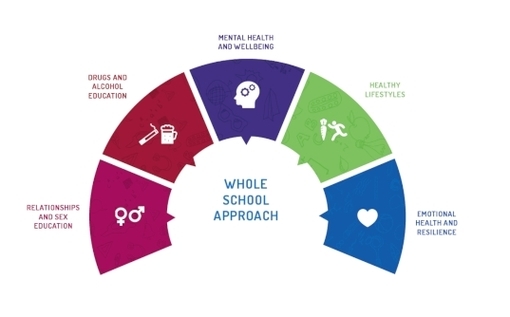
Non-traditional Assessment Methods: A Path to Holistic Education In traditional educational settings, assessments often focus on standardized tests and grades, which tend to measure only a narrow range of skills and knowledge. However, alternative schooling and education systems have embraced non-traditional assessment methods that offer a more holistic approach to evaluating students’ learning experiences. These…
 Alternative Amie