Tag: non-traditional assessment methods
-
Deschooling Revolutionizing Education: Embracing Self-Directed Learning in Urban Environments
Deschooling, a term coined by educator Ivan Illich in the 1970s, challenges traditional notions of education and learning. It suggests moving away from structured schooling systems to allow individuals to pursue knowledge and skills in more organic and self-directed ways. While deschooling has often been associated with alternative forms of education such as unschooling or…
-
Empowering Education: Outdoor, Art-Based, Mindful, and More

Outdoor education is a powerful tool for experiential learning that takes students out of the traditional classroom setting and immerses them in nature. This hands-on approach allows students to connect with the environment, learn practical skills, and develop a deep sense of appreciation for the outdoors. Whether it’s hiking through forests, studying ecosystems, or participating…
-
“Unlocking Potential: The Holistic Approach of Steiner Education”

Steiner’s philosophy, also known as Waldorf education, offers a unique and holistic approach to child development that is centered around nature-based learning, creative arts, and a deep respect for the individual pace of each child’s learning journey. Founded by Rudolf Steiner in the early 20th century, this educational philosophy has gained popularity for its emphasis…
-
Innovative Education Strategies Enhance Student Learning and Well-Being

Alternative schooling and education offer a variety of innovative approaches to learning that cater to diverse student needs and interests. One such approach is peer mentoring programs, where older students or those with more experience support their peers in academic or personal growth. These programs foster leadership skills and create a sense of community within…
-
Unschooling: Paving the Way to College Admissions

Unschooling and College Admissions One of the biggest concerns for unschoolers and their parents is how unschooling will impact college admissions. The traditional education system places a heavy emphasis on grades, standardized test scores, and extracurricular activities. However, more and more colleges are recognizing that there are alternative paths to learning and are becoming open…
-
Transforming Education: Alternative Schooling and Innovative Approaches for Personalized Learning Experiences

Alternative Schooling and Education: Transforming Learning Experiences Education is a dynamic field that constantly seeks innovative ways to engage students, foster their growth, and prepare them for the challenges of the future. Traditional schooling methods may not always cater to the diverse needs and interests of every learner. That’s where alternative approaches in education come…
-
“Alternative Education: A Holistic Approach to Learning for the Modern Age”

Alternative education is a diverse and innovative approach to schooling that offers non-traditional assessment methods, incorporates technology, emphasizes community-based learning initiatives, fosters creativity and the arts, promotes outdoor and experiential education, draws inspiration from Montessori principles, supports homeschooling cooperatives and self-directed learning, embraces multicultural perspectives and social justice principles, encourages project-based learning, explores alternative approaches…
-
Unlocking the Power of Gamification in Self-Paced Learning
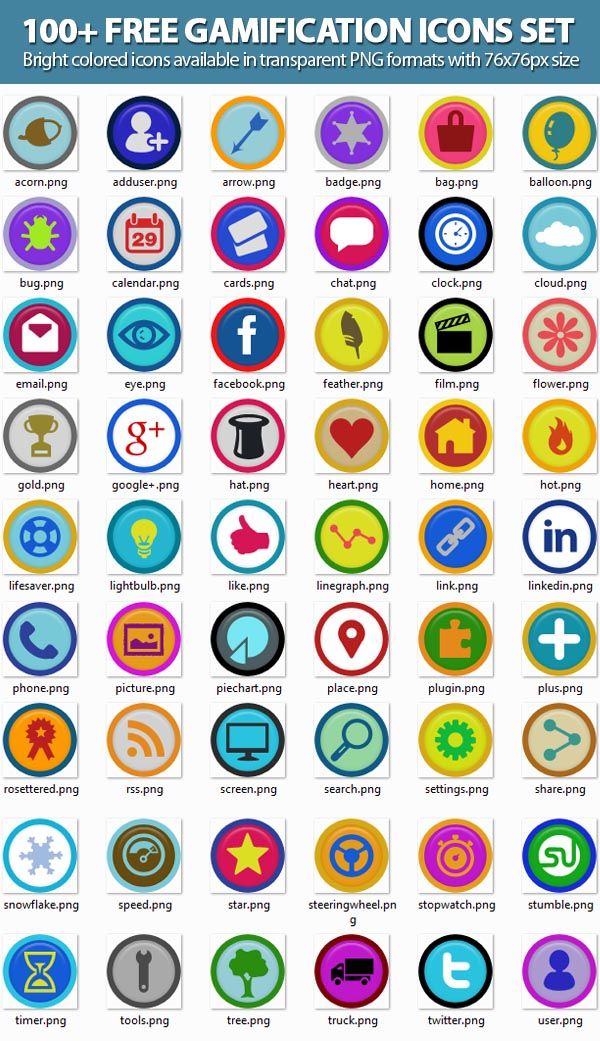
Gamification in self-paced learning has become increasingly popular in recent years. By incorporating elements of game design into educational activities, students are motivated to engage with the material and take ownership of their learning. This approach can be particularly effective in alternative schooling settings, where students have more flexibility and autonomy over their education. One…
-
Unlocking the Potential: Alternative Education Empowers Self-Paced Learners

Alternative education offers a wide range of approaches and strategies to support self-paced learning. Personalized learning plans are at the core of alternative schooling, allowing students to set goals and tailor their educational experience to their specific needs and interests. Project-based learning is another effective method that encourages hands-on exploration and collaboration, enabling students to…
-
“Breaking the Mold: Experiential Learning Revolutionizes Alternative Education”

Experiential Learning in Alternative Education In traditional education systems, the emphasis is often placed on acquiring knowledge through textbooks and lectures. However, alternative schools have adopted a different approach known as experiential learning. Experiential learning focuses on hands-on experiences that allow students to actively engage with the subject matter and make meaningful connections. One of…
 Alternative Amie