Tag: non-coercive discipline
-
Empowering Education: Alternative Approaches for Lifelong Learning

Self-directed learning is a method where individuals take charge of their own education by setting goals, choosing resources, and evaluating their progress. This approach empowers students to pursue subjects they are passionate about and learn at their own pace. It encourages independence, critical thinking, and problem-solving skills. Democratic decision-making involves allowing students to participate in…
-
Empowering Students: The Revolution of Student-Led Learning
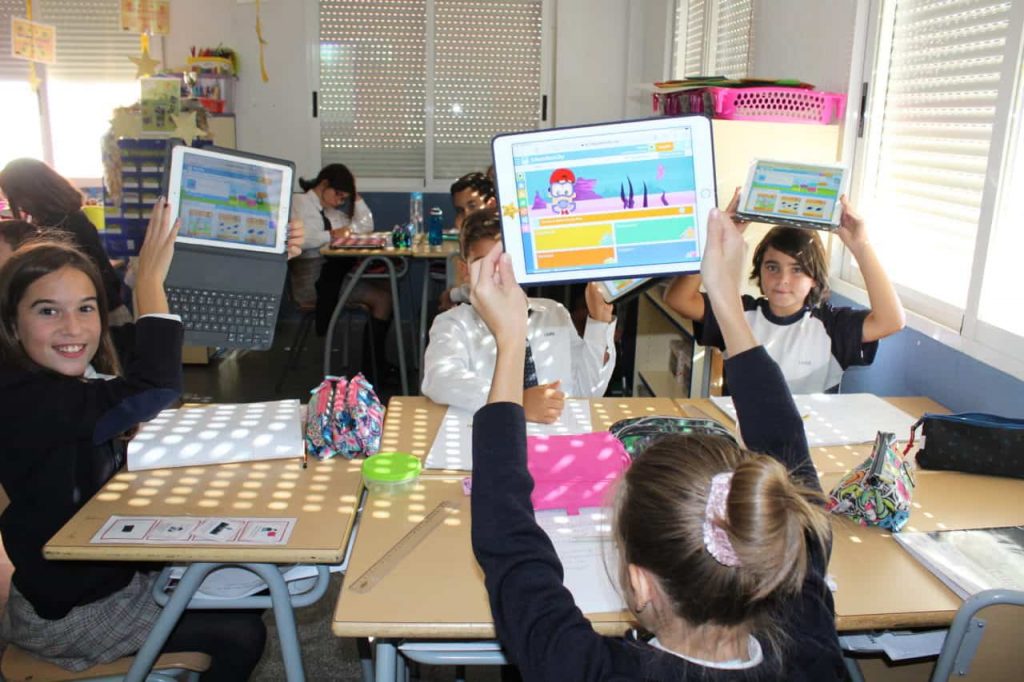
Student-led learning is a revolutionary approach to education that puts students at the forefront of their own learning journey. Instead of following a rigid curriculum set by teachers, students are empowered to direct their own learning, pursue their interests, and take ownership of their education. This approach fosters independence, critical thinking skills, and a love…
-
Empowering Students: The Rise of Alternative Education

Student-led learning is a concept that is gaining traction in alternative education settings around the world. It puts students at the center of their own educational journeys, allowing them to take control of what and how they learn. By giving students autonomy over their learning process, student-led learning fosters independence, critical thinking skills, and a…
-
Revolutionizing Discipline: Non-Coercive Strategies for a Positive Learning Environment

Non-coercive Discipline Practices: An Overview Introduction: Discipline is an essential aspect of education, but traditional disciplinary approaches often rely on coercive methods that can have negative effects on students’ well-being and learning outcomes. Non-coercive discipline practices offer alternative approaches that prioritize understanding, empathy, and collaboration over punishment and control. In this article, we will explore…
-
Empowering Students: The Rise of Democratic School Models
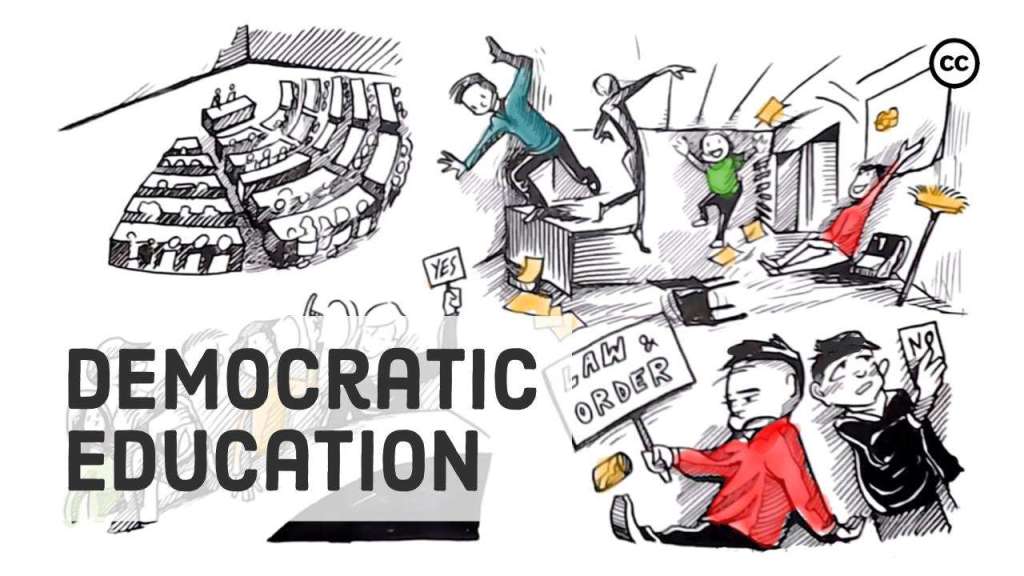
Democratic School Models: Empowering Students through Choice and Collaboration Education is undergoing a significant transformation as the traditional model of schooling is being challenged. In recent years, alternative education approaches have gained popularity, with democratic school models emerging as powerful alternatives to conventional educational systems. These schools prioritize student agency, active participation, and self-governance, providing…
-
“10 Effective Non-Coercive Discipline Strategies for a Positive Classroom Environment”
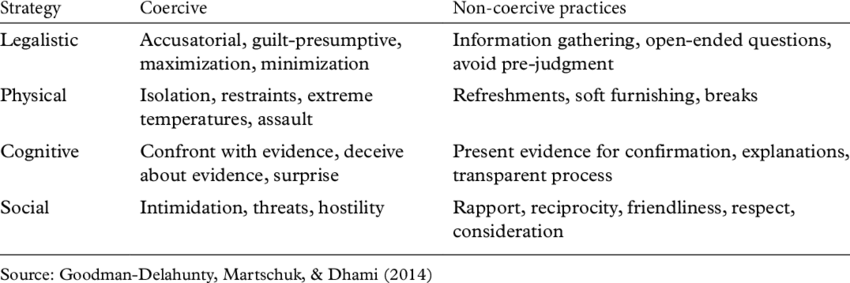
Discipline is an essential part of education, but it doesn’t have to be harsh or coercive. Non-coercive discipline methods are just as effective and help students develop their self-control, responsibility, and decision-making abilities. Here are ten non-coercive discipline strategies that you can use in your classroom. 1. Set clear boundaries: Establishing clear expectations for behavior…
 Alternative Amie