Tag: multiple intelligences theory
-
Empowering Students Through Innovative Assessment Practices in Alternative Schools

Performance tasks, self-assessment, peer assessment, rubrics, authentic assessment, goal setting, reflection, feedback loops, student-led conferences, digital portfolios, project-based learning – these are just a few of the innovative approaches to education that alternative schools and educators are embracing to foster deeper learning experiences for students. One key aspect of alternative schooling is the emphasis on…
-
Unlocking the Power of Experiential Learning and Multiple Intelligences in Education
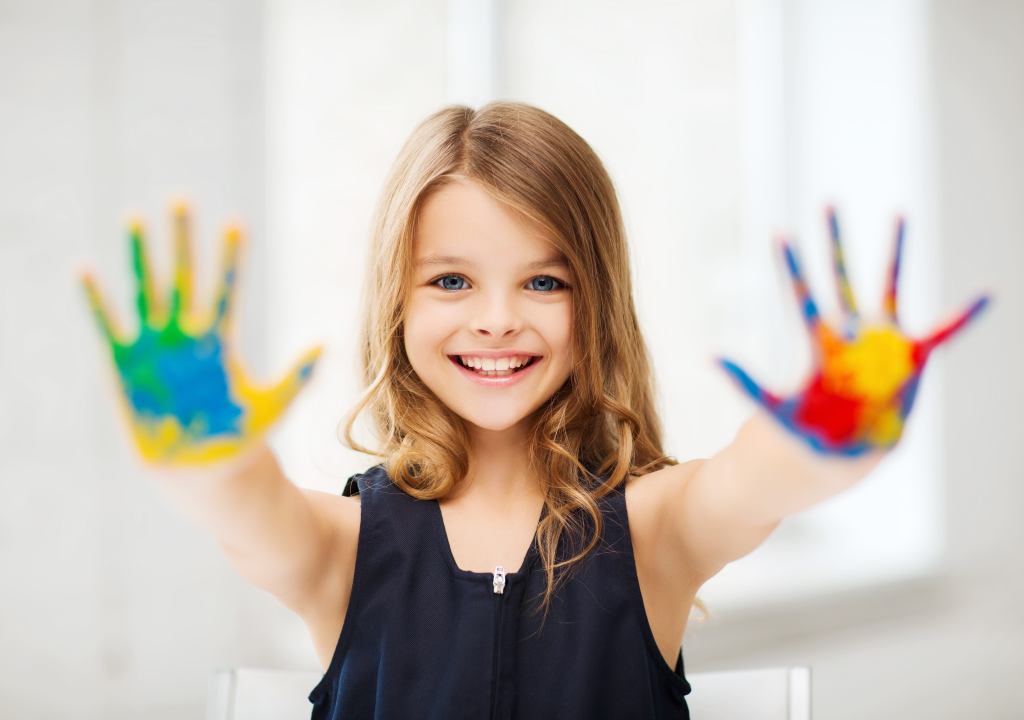
Experiential learning is a dynamic educational approach that focuses on hands-on, real-world experiences to help students learn and retain information better. This method emphasizes the importance of practical application and reflection on the learning process. Experiential learning allows students to engage with material in a meaningful way, making connections between theory and practice. Multiple Intelligences…
-
Unlocking the Brain: How Neuroplasticity Revolutionizes Education

Neuroplasticity in education is an exciting field that delves into the brain’s ability to reorganize itself by forming new neural connections throughout life. This phenomenon has profound implications for educators, as it suggests that students’ brains can be trained and developed to enhance learning outcomes. By understanding how neuroplasticity works, teachers can adopt strategies that…
-
“Embracing Holistic Assessment: A Pathway to Comprehensive Student Growth”

Holistic assessment methods are becoming increasingly popular in alternative schooling and education settings as educators and researchers recognize the limitations of traditional standardized testing. Holistic assessment takes into account a student’s overall development, including their academic achievements, social skills, emotional well-being, and personal interests. By using a variety of assessment tools and techniques that provide…
-
“Unlocking the Power of Diverse Learning Styles for a Holistic Education Experience”

Experiential learning is a hands-on approach that encourages students to learn through direct experience. Visual-spatial learning involves utilizing images and spatial understanding for learning. Reflective learning emphasizes thinking about experiences to gain new insights. Holistic learning focuses on the interconnectedness of ideas and concepts. Social learning highlights the importance of collaboration and interaction in the…
-
Empower Your Education: Self-Directed Learning and Innovative Assessments for Personal Growth

Self-directed learning is a valuable approach that empowers individuals to take control of their education and personal growth. It allows students to pursue areas of interest, set their own goals, and determine the best ways to achieve them. Project-based assessments are an effective way to evaluate students’ understanding and application of concepts in real-world scenarios.…
 Alternative Amie