Tag: multiple intelligences
-
Unleashing the Power of Neuroplasticity: Transforming Education for Student Success
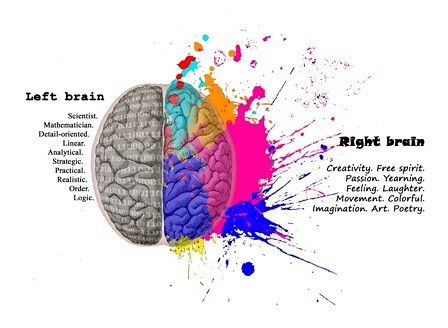
Neuroplasticity refers to the brain’s ability to reorganize itself by forming new neural connections throughout life. This concept has significant implications for education, as it suggests that the brain can adapt and change in response to learning experiences. By understanding neuroplasticity, educators can design instructional strategies that optimize students’ cognitive development. One key aspect of…
-
Unlocking Potential: Harnessing Multiple Intelligences for Personalized Learning
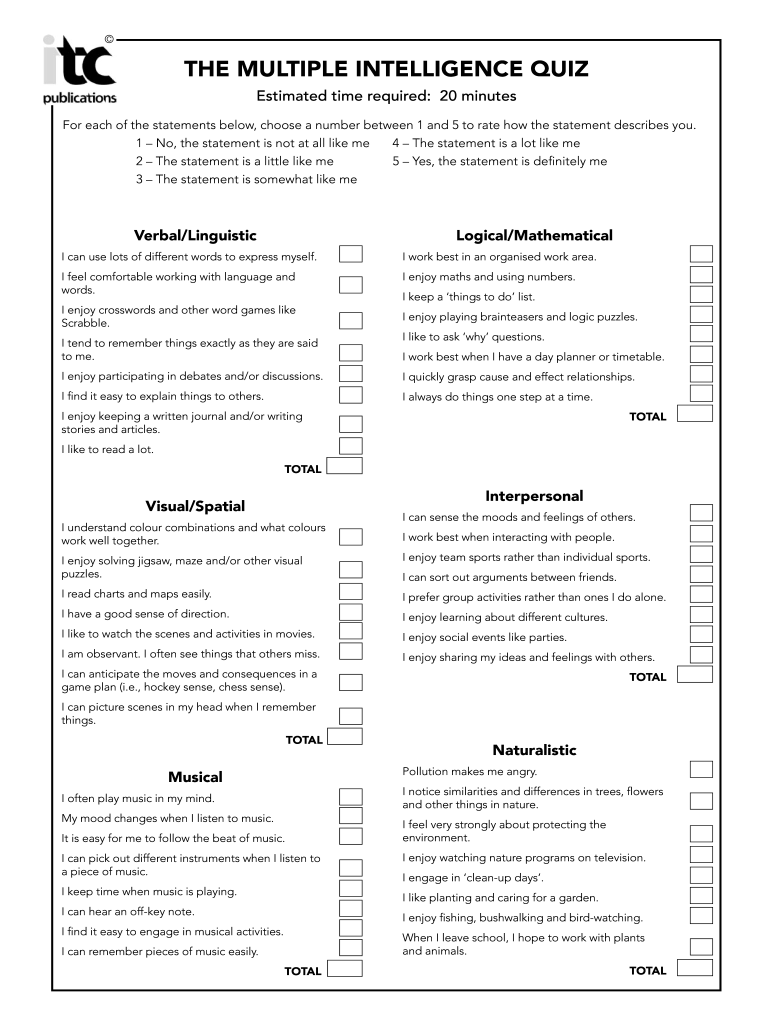
Multiple Intelligences (MI) assessments are a valuable tool that can provide insights into individuals’ unique strengths and learning styles. Originally proposed by psychologist Howard Gardner in 1983, the theory of multiple intelligences suggests that intelligence is not solely measured by traditional IQ tests but instead encompasses a range of abilities. MI assessments aim to identify…
-
Unlocking Success Through Collaboration: The Power of Group Projects

Group projects are a common feature in many educational settings, including traditional schools as well as alternative education programs. While they can sometimes be met with groans and eye rolls from students, group projects actually offer numerous benefits that can enhance the learning experience and better prepare students for success in both academic and real-world…
-
Unlocking the Power of Multiple Intelligences: A Path to Personalized Learning
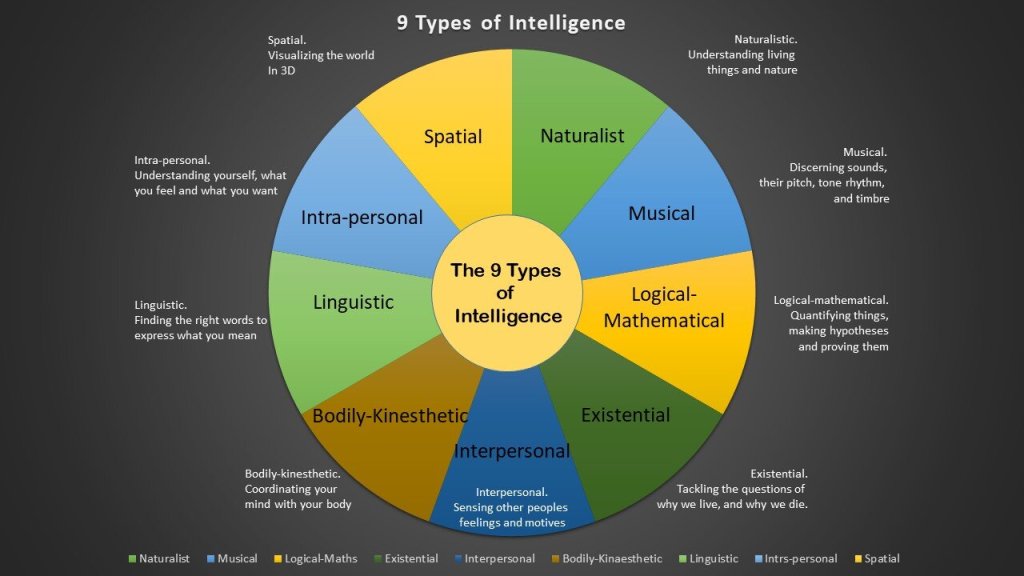
Multiple Intelligences (MI) theory, developed by psychologist Howard Gardner in 1983, suggests that intelligence is not a singular entity measured by traditional IQ tests. Instead, Gardner proposed that there are multiple intelligences that individuals possess to varying degrees. These intelligences include linguistic, logical-mathematical, musical, spatial, bodily-kinesthetic, interpersonal, intrapersonal, and naturalist intelligences. The concept of Multiple…
-
Unleashing the Power of Logical-Mathematical Learners

Logical-mathematical learning style is one of the eight types of intelligence identified by Howard Gardner in his theory of multiple intelligences. Individuals who excel in this area have a strong aptitude for reasoning, problem-solving, and analyzing complex information. In an educational setting, understanding and catering to students with a logical-mathematical learning style can greatly enhance…
-
Unlocking the Potential: Understanding How Children Learn Best
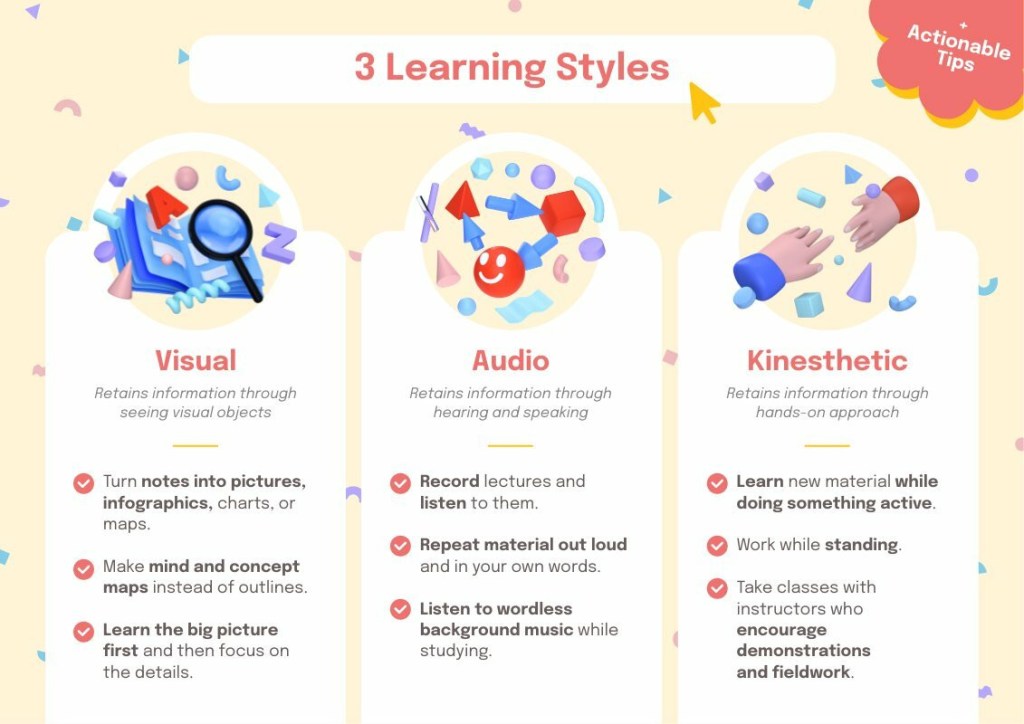
Learning Styles and Preferences: Understanding How Children Learn Best Introduction: Education is not a one-size-fits-all approach. Each child is unique, with their own individual strengths, weaknesses, and learning preferences. Traditional schooling methods often fail to cater to the diverse needs of students, leading many parents to explore alternative approaches that align with their child’s learning…
-
Unleashing the Transformative Power of Arts in Alternative Education

Panel Discussion: The Importance of Arts in Alternative Education Introduction: Welcome to today’s panel discussion on the importance of arts in alternative education. We are joined by a group of experts who have extensive experience in alternative schooling and believe that incorporating arts into the curriculum is not only essential but also transformative for students.…
-
Unlocking the Power of Logical-Mathematical Learning: Cultivating Critical Thinkers and Problem Solvers
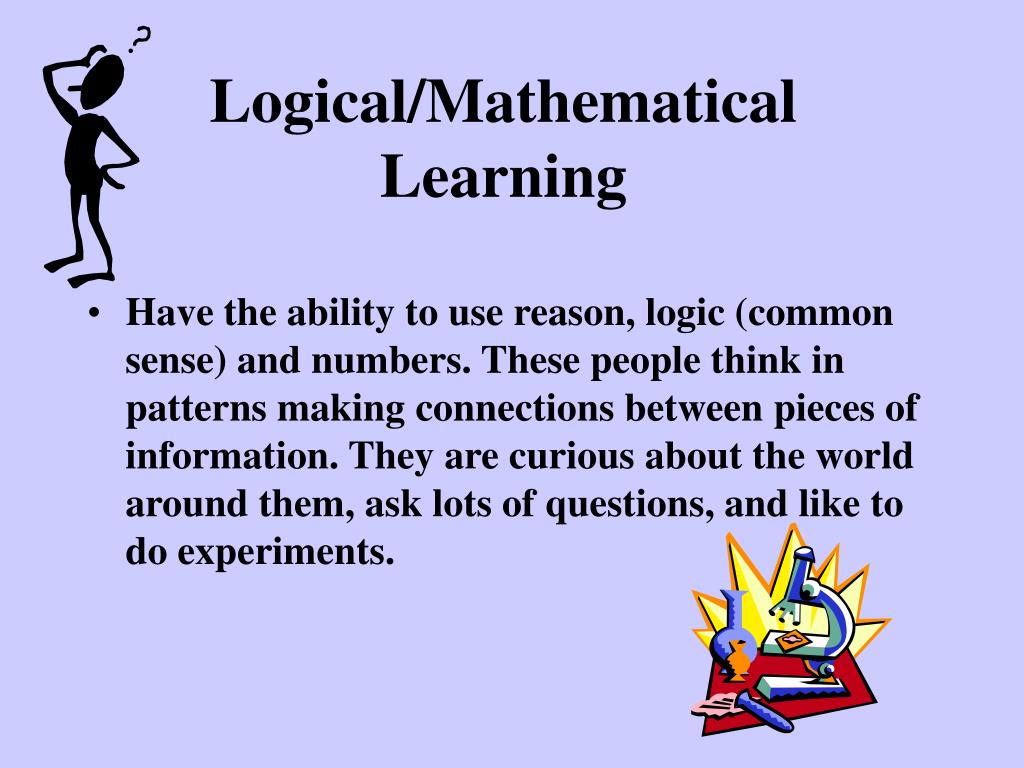
Logical-Mathematical Learning: Nurturing Critical Thinking and Problem-Solving Skills Introduction: In the realm of education, it is widely recognized that each child possesses a unique learning style. While some students excel in artistic or linguistic pursuits, others exhibit a natural inclination towards logical-mathematical thinking. Logical-mathematical intelligence refers to the ability to reason logically, think critically, and…
-
Unlocking the Power of Multiple Intelligences: A New Approach to Education
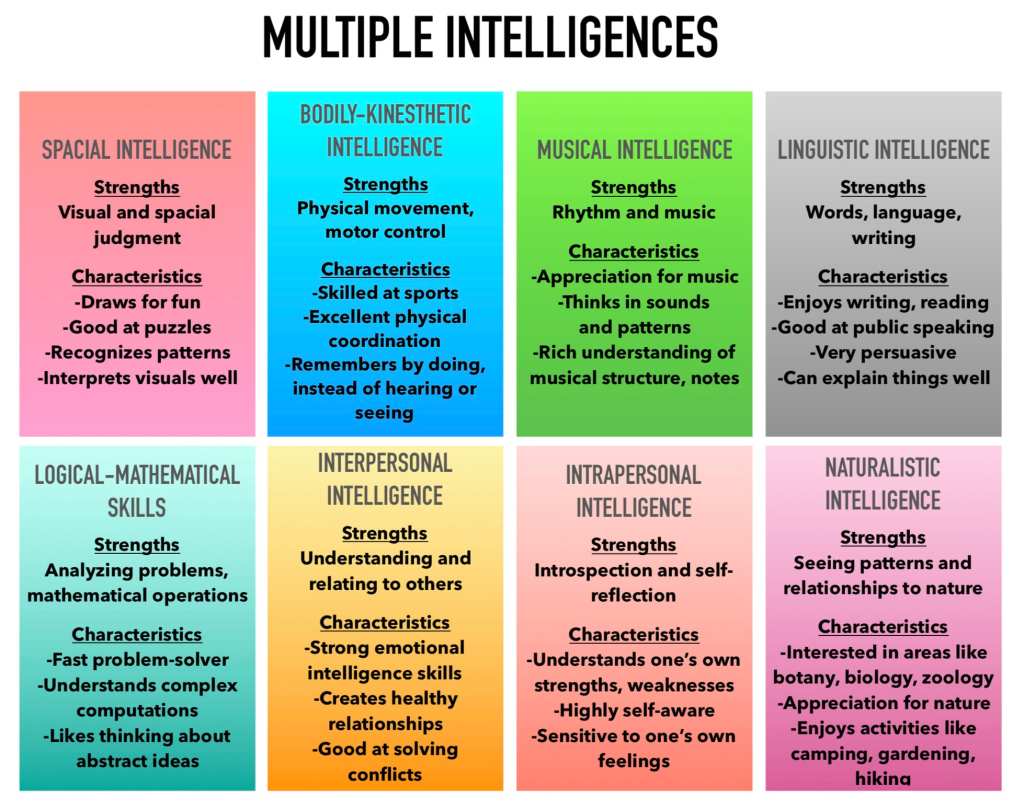
Multiple Intelligences Theory: An Overview of Alternative Approaches to Education In traditional education systems, intelligence is often measured and defined solely by academic performance, primarily through standardized tests that focus on linguistic and logical-mathematical skills. However, this narrow view of intelligence fails to recognize the diverse ways in which individuals learn and excel. In response…
-
Unlocking the Potential of Every Learner: Multiple Intelligences Assessments

Multiple Intelligences Assessments: Unlocking the Potential of Every Learner Introduction: In traditional education systems, intelligence has often been measured and defined solely by academic achievement in subjects like math, language, and science. However, this narrow view fails to recognize the diverse range of abilities and talents that individuals possess. Howard Gardner, a renowned psychologist and…
 Alternative Amie