Tag: Misconceptions
-
Dispelling Myths and Fostering Understanding: The Truth About Tourette Syndrome
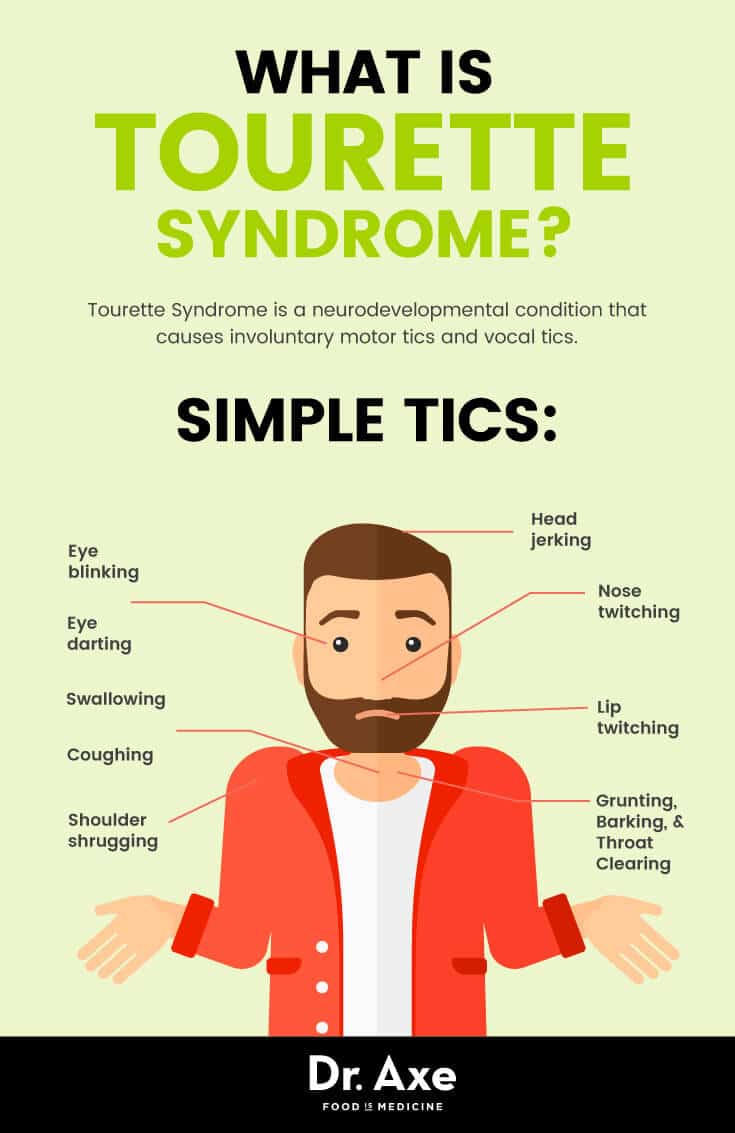
Tourette Syndrome, often misunderstood and misrepresented in popular culture, is a neurological condition characterized by involuntary movements and sounds known as tics. These tics can range from simple eye blinking or throat clearing to more complex movements and vocalizations. While Tourette’s can be disruptive and challenging for those living with it, there are many misconceptions…
-
Dispelling Myths: Unschooling Unveiled

Unschooling Misconceptions: Child-led learning has been gaining popularity in alternative education circles as a way to empower children to take control of their own educational journey. Unschooling, often misunderstood and misrepresented, is a form of child-led learning that allows children to pursue their interests and passions in a self-directed manner. However, there are many misconceptions…
-
“Unlocking Minds: The Power of the Socratic Method in Education”

The Socratic method is a teaching technique that fosters critical thinking and encourages active participation from students. It was named after the Greek philosopher Socrates, who believed in engaging students through questioning and dialogue rather than lecturing. At its core, the Socratic method involves a teacher asking open-ended questions to stimulate thoughtful responses from students.…
-
Empowering Students: Formative Feedback and Assessment Revolutionize Learning

Formative Feedback and Assessment: Empowering Students to Take Ownership of Their Learning In traditional education systems, assessment is often seen as a means to measure students’ performance at the end of a unit or course. However, formative feedback and assessment offer an alternative approach that can truly transform the learning experience for students. By providing…
-
Navigating the Challenges and Misconceptions of Dual Enrollment
Introduction Dual enrollment, also known as concurrent enrollment or dual credit, is a program that allows high school students to enroll in college-level courses and earn both high school and college credits simultaneously. This alternative form of education has gained popularity in recent years due to its potential to provide students with a head start…
-
Interview with an Asperger’s Syndrome Advocate: Breaking Down Misconceptions and Offering Support

Interview with an Asperger’s Syndrome Advocate Asperger’s Syndrome is a disorder that affects social interaction, communication, interests and behaviours. It is classified as Autism Spectrum Disorder (ASD) and was first identified by Hans Asperger in 1944. In this interview, we speak to an advocate for Asperger’s Syndrome who shares their personal experiences with the condition.…
-
Breaking Stereotypes: Autism and Gender Identity are Not Related

When it comes to discussions about Autism and Gender Identity, one can’t help but notice the lack of understanding that exists. It’s as if people believe that having a diagnosis of Autism precludes someone from identifying with a gender outside of the binary. This is far from accurate. Autism is a neurodevelopmental disorder that affects…
 Alternative Amie