Tag: Maria Montessori
-
Engaging the Senses: The Key to Holistic Learning and Development
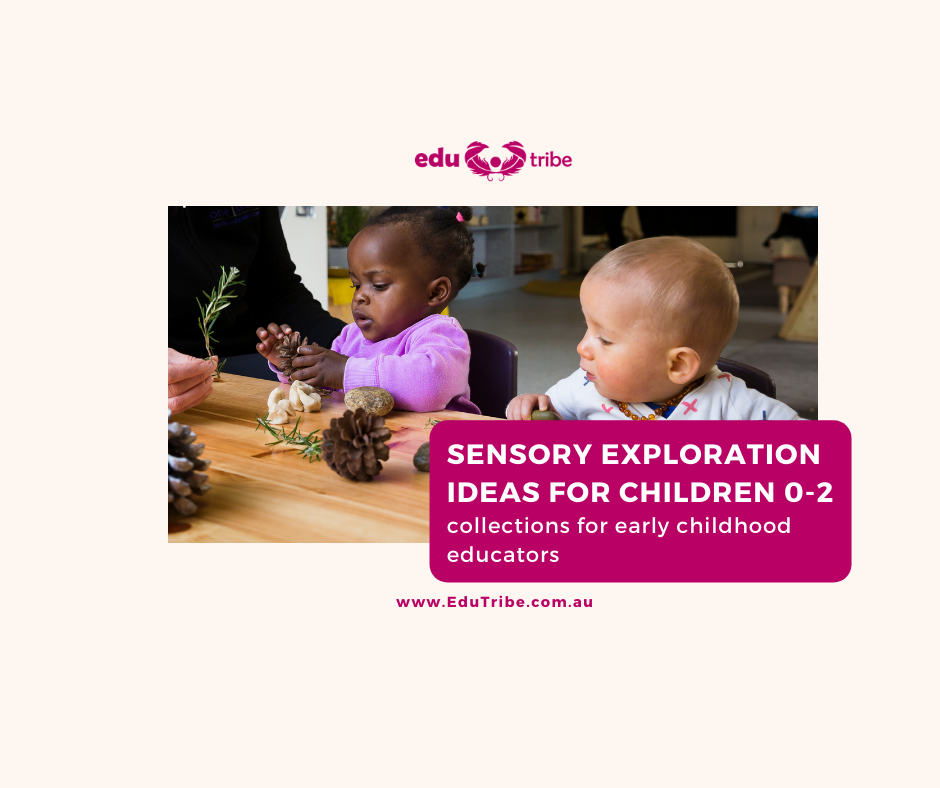
Sensorial education is a fundamental aspect of alternative schooling and education that focuses on engaging the senses to facilitate learning and development. Rooted in the principles of Maria Montessori, sensorial education recognizes the vital role that sensory experiences play in a child’s cognitive, emotional, and physical growth. The human brain processes information through our senses…
-
Montessori Schools Cultivate Sustainability: Nurturing Environmental Stewardship in Students

Montessori education is known for its hands-on, experiential approach to learning that fosters independence, creativity, and critical thinking skills in children. But did you know that Montessori schools also place a strong emphasis on sustainability and environmental stewardship? One of the core principles of Montessori education is respect for the environment. Maria Montessori believed that…
-
Unlocking Potential: The Montessori Method Cultivates Independent Learners

The Montessori method, developed by Maria Montessori in the early 20th century, is a child-centered educational approach that emphasizes independence, freedom within limits, and respect for a child’s natural psychological development. This method is based on the belief that children are inherently curious and capable of directing their own learning. One key aspect of the…
-
Unveiling the Philosophical Pillars of Education: From Plato to Present Day

Philosophy of education is a fundamental aspect of any educational system. It serves as the guiding principle that shapes the goals, methods, and outcomes of learning. Throughout history, various philosophers have put forth their ideas on what education should be and how it should be implemented. These philosophies have influenced educational practices around the world…
-
The Power of Experiential Learning: A Hands-On Approach to Education

Experiential learning is a method of education that emphasizes hands-on, real-world experiences as a central part of the learning process. Dating back to ancient times, experiential learning has been used by philosophers, educators, and leaders to help individuals gain practical knowledge and skills through direct engagement with the world around them. One of the earliest…
-
Unlocking the Potential: The Montessori Method Revolutionizing Education

Montessori education is a unique approach to teaching and learning that emphasizes independence, self-directed activity, and hands-on exploration. This method, developed by Dr. Maria Montessori in the early 20th century, has gained popularity worldwide for its holistic and child-centered philosophy. One key aspect of Montessori education is the way mathematics is taught. In a Montessori…
-
Fostering Social Skills: Grace and Courtesy Lessons in Alternative Education

Grace and Courtesy Lessons: Fostering Social Skills in Alternative Education In alternative schooling and education, the focus extends beyond academic achievement to encompass the holistic development of students. One crucial aspect of this development is teaching children grace and courtesy skills, which equip them with essential social tools for navigating relationships, respecting boundaries, and fostering…
-
The Power of Philosophy in Alternative Education: Nurturing Critical Thinkers and Curious Minds

Philosophy is a fascinating subject that explores fundamental questions about life, knowledge, existence, and morality. It encourages critical thinking, deep reflection, and the exploration of different perspectives. In an alternative schooling and education context, philosophy plays a crucial role in nurturing students’ intellectual growth, cultivating their creativity and curiosity while equipping them with essential skills…
-
“Unlocking Potential: The Power of Personalized Learning in Education”
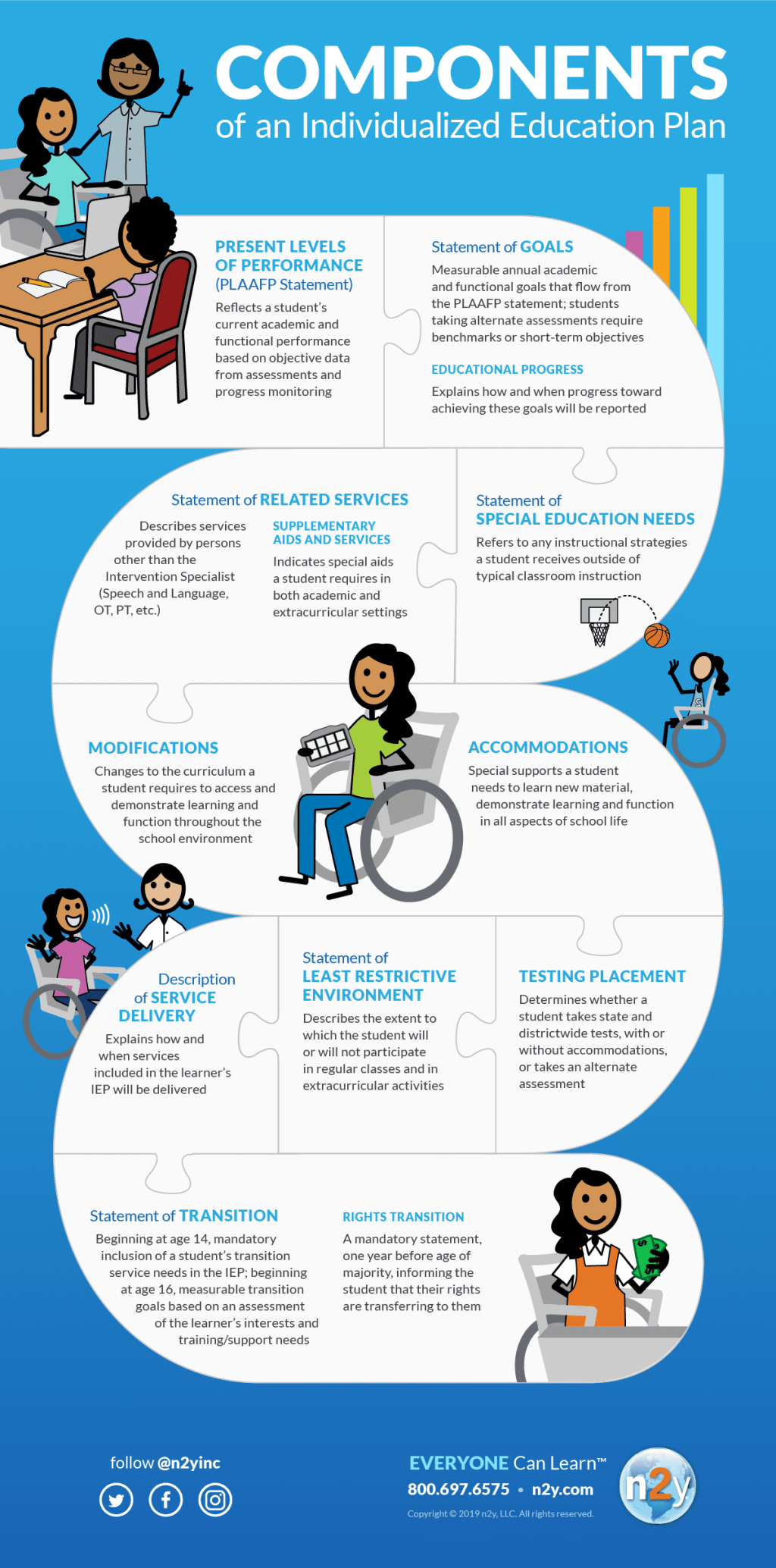
Personalized learning has become a buzzword in education circles over the past decade, but its roots can be traced back to early pioneers such as John Dewey and Maria Montessori. The concept of personalized learning centers around tailoring education to meet the individual needs and interests of each student. Traditionally, education has followed a one-size-fits-all…
-
Montessori Education: Cultivating Independent, Lifelong Learners
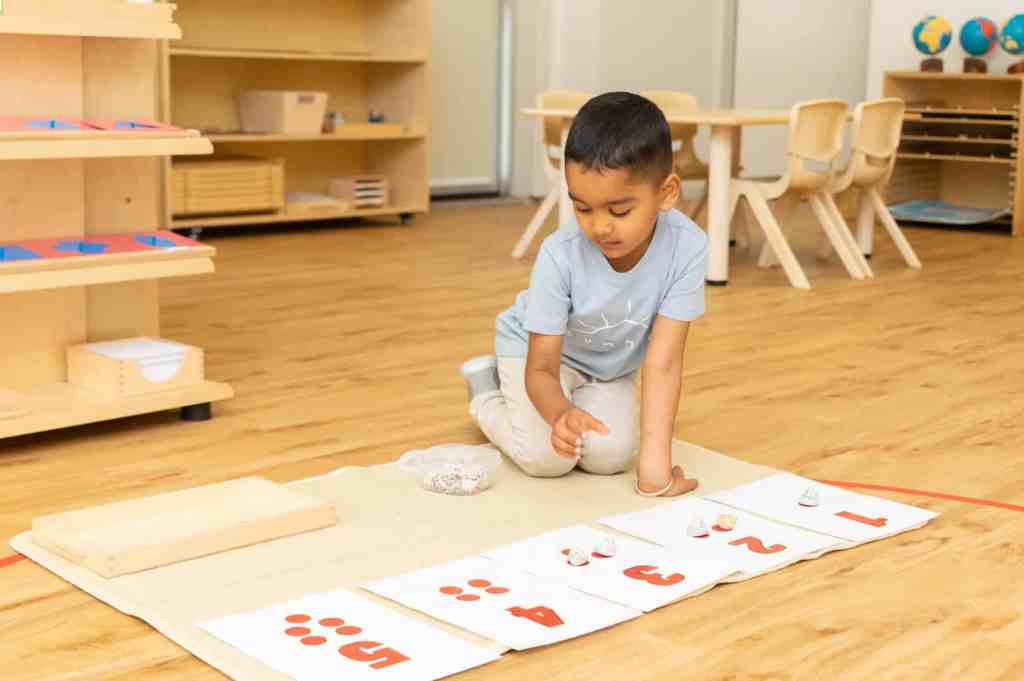
Montessori Education: A Method that Nurtures Independent, Lifelong Learners In a traditional classroom setting, students often find themselves confined to desks and forced to adhere to rigid schedules. However, in Montessori education, an alternative approach is taken—one that emphasizes independence, hands-on learning experiences, and individualized instruction. Developed by Dr. Maria Montessori in the early 1900s,…
 Alternative Amie