Tag: literary devices
-
Unlocking the Timeless Wisdom of Homer’s Epics in Alternative Education
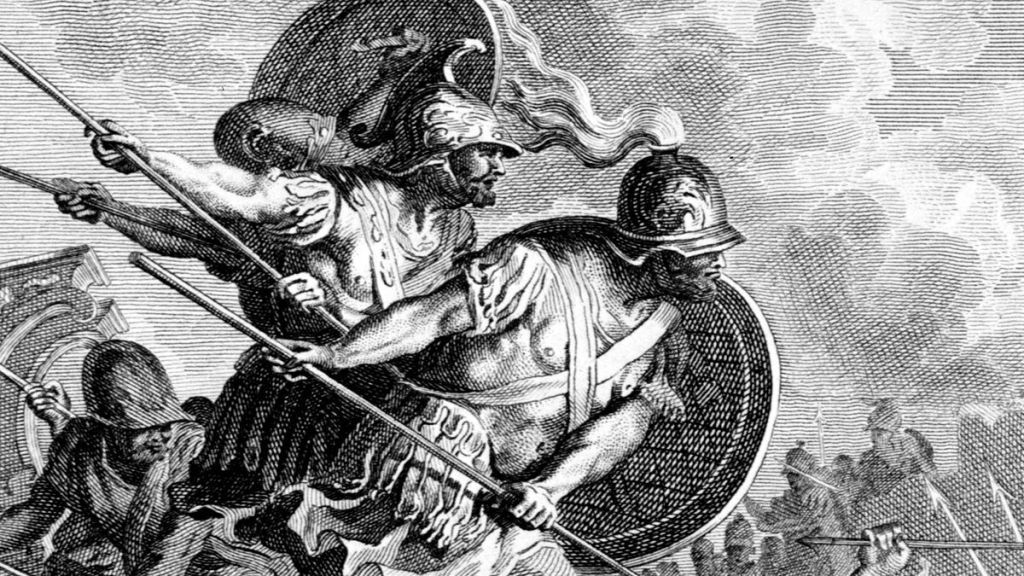
When it comes to exploring classical literature in an educational setting, Homer’s epics—The Iliad and The Odyssey—are often regarded as essential reading. These two ancient Greek poems have stood the test of time and continue to captivate readers with their timeless themes, captivating storytelling, and rich imagery. In the realm of alternative schooling and education,…
-
Unleashing the Power of Metaphors and Similes in Alternative Education

Metaphors and similes are powerful literary devices that can bring depth and richness to narratives. They have been used for centuries to add color, evoke emotions, and create vivid imagery in storytelling. In the context of alternative schooling and education, the use of metaphors and similes can be particularly effective in engaging learners’ imagination and…
-
Unleash the Power of Metaphors and Similes in Your Storytelling

Using Metaphors and Similes in Storytelling Storytelling is an art form that has been around for centuries. From ancient myths and legends to modern novels and films, stories have the power to captivate our imagination and evoke powerful emotions. One way to enhance your storytelling skills is by using metaphors and similes. Metaphors and similes…
-
Unveiling the Power of Socratic Questioning in Literature Analysis and Interpretation

Socratic questioning is an effective tool for literature analysis and interpretation. It involves asking open-ended questions that encourage critical thinking and reflection, leading to deeper insights into the text. Here are some common Socratic questions that can be used in literature analysis: 1. What is the main idea or theme of the story? 2. How…
 Alternative Amie