Tag: interdisciplinary connections
-
Empowering Students Through Project-Based Learning: A Path to Success
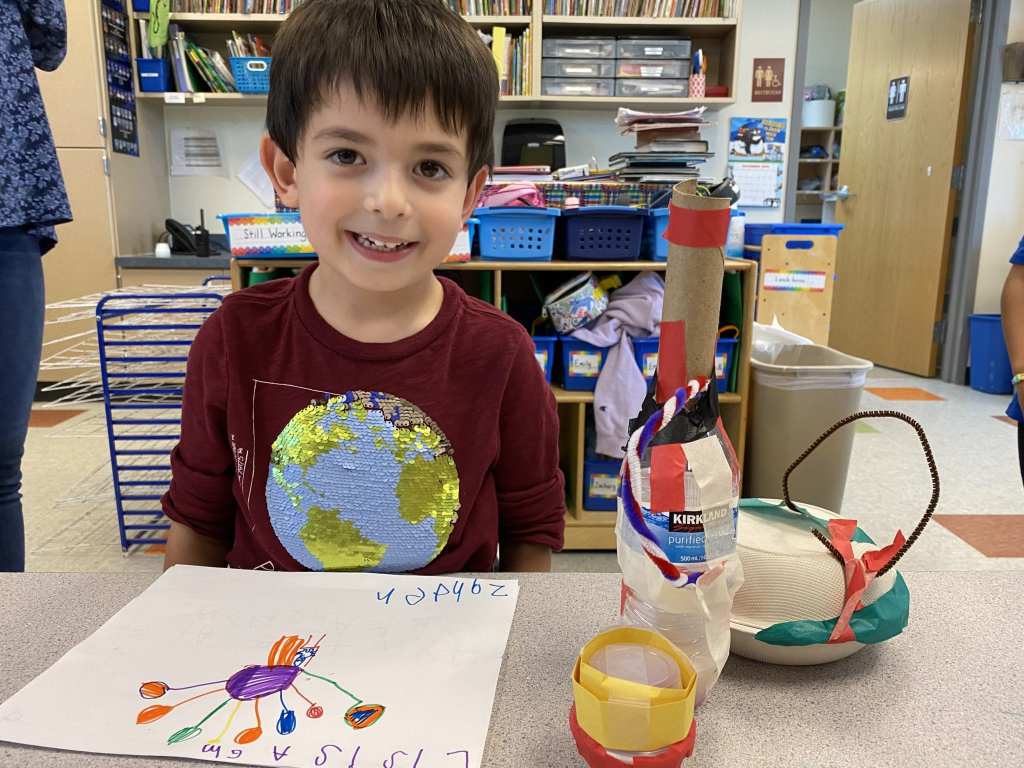
Project-based learning (PBL) is a student-centered teaching method that empowers students to actively engage in exploring real-world problems and challenges. This approach not only enhances students’ critical thinking skills but also promotes creativity, collaboration, and communication. By working on projects that have real-life relevance, students are motivated to delve deeper into the subject matter and…
-
Empowering Students Through Project-Based Learning: A Path to 21st-Century Skills
Project-based learning (PBL) is an innovative and student-centered approach to education that emphasizes real-world applications of knowledge and skills. In this model, students work on projects over an extended period of time to investigate and respond to complex questions, problems, or challenges. PBL shifts the focus from teacher-led instruction to student-driven inquiry, collaboration, critical thinking,…
-
Empowering Education: The Rise of Project-Based Learning

Project-based learning (PBL) is a dynamic approach to education that shifts the focus from traditional classroom instruction to hands-on, real-world projects. This innovative teaching method is gaining popularity in alternative schooling and education settings because it empowers students to take ownership of their learning while developing critical thinking, problem-solving, and collaboration skills. One of the…
-
Empowering Education: The Rise of Project-Based Assessment

Project-based assessment is a form of evaluation that focuses on students’ ability to apply their knowledge and skills to real-world scenarios. Unlike traditional tests or exams that measure rote memorization and regurgitation of information, project-based assessment requires students to demonstrate their understanding through the completion of hands-on projects. In project-based assessment, students are given a…
-
Unleashing the Power of Composer Study: A Musical Journey for Students

Composer study is a valuable and enriching component of alternative education that offers students the opportunity to explore music history, theory, and creativity in a hands-on way. By delving into the lives and works of different composers from various time periods and genres, students can develop a deeper appreciation for music while honing their critical…
-
“Empowering Education: The Impact of Project-Based Learning on Student Engagement and Skills Development”
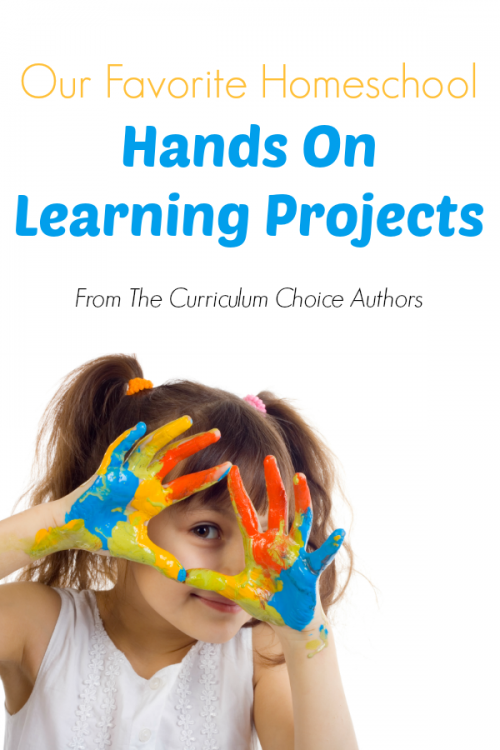
Project-based learning is an innovative approach to education that shifts the focus from traditional lectures and tests to hands-on, real-world projects. In this model, students collaborate on projects that require critical thinking, problem-solving skills, creativity, and teamwork. By working on these projects, students not only acquire academic knowledge but also develop essential life skills such…
-
Empowering Education: The Transformative Impact of Project-Based Learning
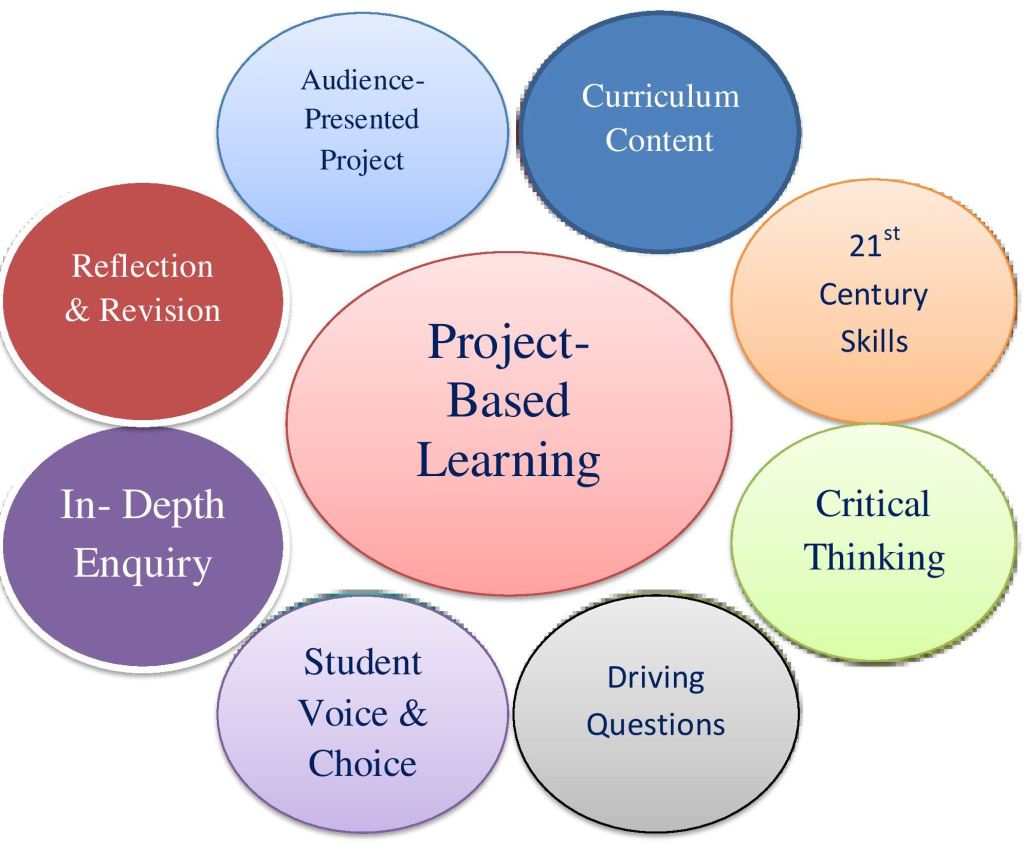
Project-based learning (PBL) has been a transformative approach to education that aims to engage students in hands-on, real-world projects. It shifts the traditional classroom dynamic by placing students at the center of their learning experience, allowing them to explore topics deeply and apply their knowledge in practical ways. One of the key benefits of PBL…
-
Embracing Diversity and Innovation: The Power of Eclectic Curriculum Planning

Eclectic curriculum planning is a unique approach to education that allows for flexibility, creativity, and customization in designing learning experiences for students. This method of curriculum planning draws from various educational philosophies, theories, and practices to create a diverse and well-rounded program that caters to the individual needs and interests of each student. The concept…
-
Exploring Alternative Education: Project-Based Learning, Self-Directed Learning, Unschooling & More

Today, we have gathered a panel of experts to discuss various aspects of alternative education, focusing on project-based learning, self-directed learning, unschooling vs traditional schooling, and more. Let’s dive into these topics and explore the benefits and challenges associated with each approach. Project-based learning is a hands-on educational method where students learn by actively engaging…
-
Empowering Education: Unleashing Creativity and Collaboration through Project-Based Learning

Project-based learning (PBL) is an educational approach that emphasizes hands-on, real-world experiences to help students develop critical thinking, problem-solving skills, creativity, and collaboration. Instead of traditional rote memorization or passive learning techniques, PBL encourages students to actively engage in projects that are meaningful and relevant to their interests and the world around them. One of…
 Alternative Amie