Tag: instructional methods
-
Unleashing Potential: The Power of Differentiated Instruction in Education

Differentiated instruction has become a buzzword in the education world, touted as the key to unlocking student potential and ensuring that every child receives a personalized learning experience. But what exactly is differentiated instruction, and how does it work? Let’s take a closer look at this approach to teaching and learning. At its core, differentiated…
-
Unveiling the Power of Summative Assessment in Education
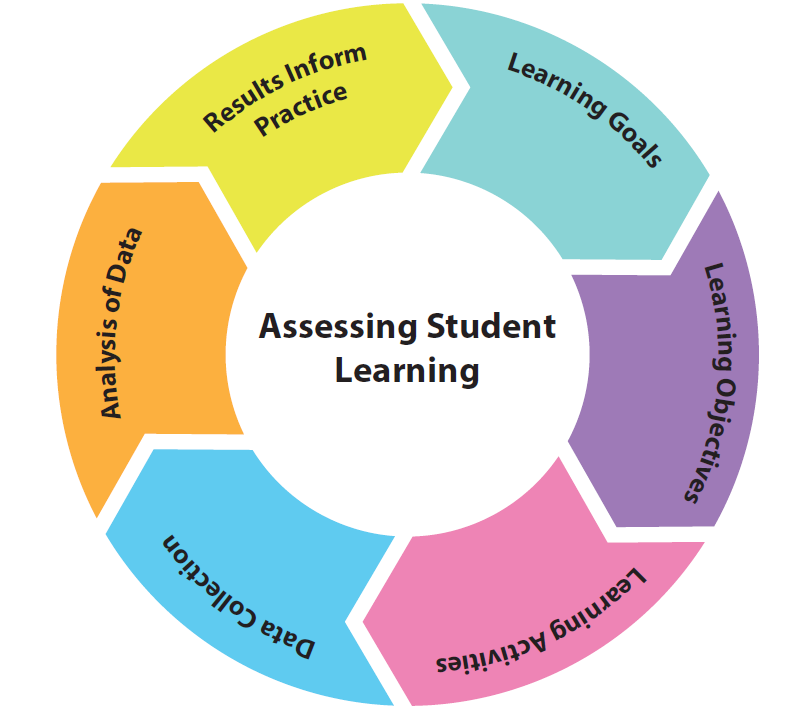
Summative assessment is a crucial component of the educational process, providing educators with valuable insights into students’ learning progress and achievements. Unlike formative assessment, which focuses on day-to-day feedback and improvement, summative assessment evaluates students’ overall understanding of the material at the end of a unit or course. One key aspect of summative assessment is…
-
Unlocking Potential: The Power of Special Education Inclusion

Special education inclusion is a topic that holds immense importance in the field of alternative schooling and education. Inclusion refers to the practice of educating students with disabilities in mainstream classrooms alongside their non-disabled peers. This approach aims to create an environment where all students, regardless of their abilities, can learn together and benefit from…
-
“Empowering Education: Implementing Differentiated Instruction in Group Settings”

Differentiated instruction is a teaching approach that recognizes and accommodates the diverse learning needs of students within a single classroom or group setting. This method acknowledges that learners have different strengths, interests, and ways of learning, and aims to tailor instruction to meet these individual needs. While traditionally associated with one-on-one teaching, differentiated instruction can…
-
“Unlocking Student Potential: The Power of Differentiated Instruction”

Differentiated Instruction: Meeting the Diverse Needs of Learners Introduction: In traditional education settings, teachers often follow a one-size-fits-all approach to instruction. However, this approach fails to acknowledge the diverse needs, strengths, and learning styles of students. As a result, some learners may struggle to keep up with their peers while others may not be challenged…
-
“Formative Assessment: The Key to Unlocking Student Success in Education”
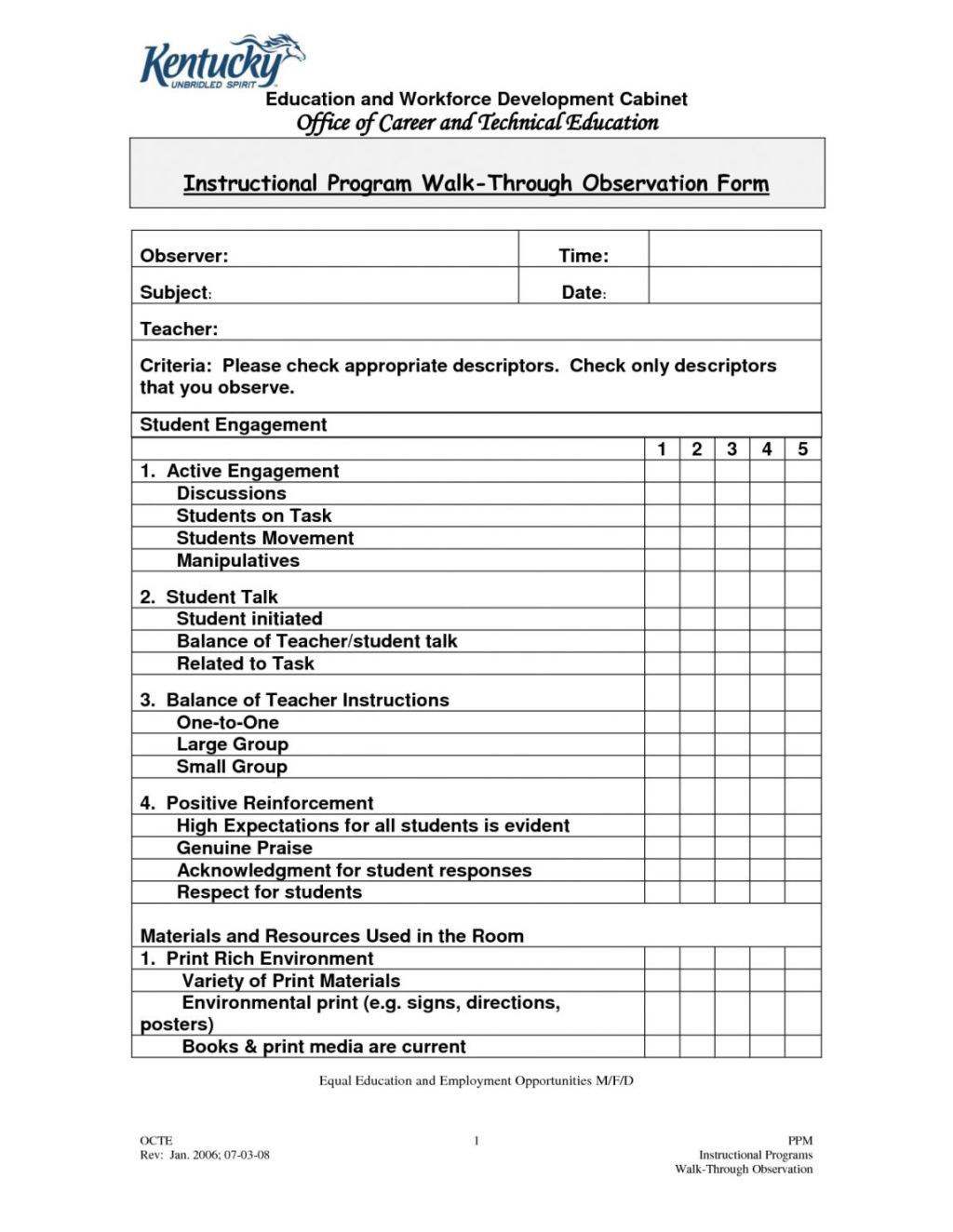
Formative assessment is a crucial tool in the field of education that allows teachers to gather meaningful feedback on their students’ learning progress. Unlike summative assessments, which are typically conducted at the end of a unit or course to evaluate student achievement, formative assessments are ongoing and designed to provide real-time information that can inform…
-
“Unlocking Potential: The Power of Differentiated Instruction in the Classroom”
Differentiated instruction is an approach to teaching and learning that acknowledges the diverse needs, interests, and abilities of students. It is a student-centered approach that aims to meet learners where they are and provide them with appropriate support and challenges. In a panel discussion about differentiated instruction, several educators shared their insights on its benefits…
-
“Blended Learning in the Storm: Overcoming Weather-Related Challenges for Students”
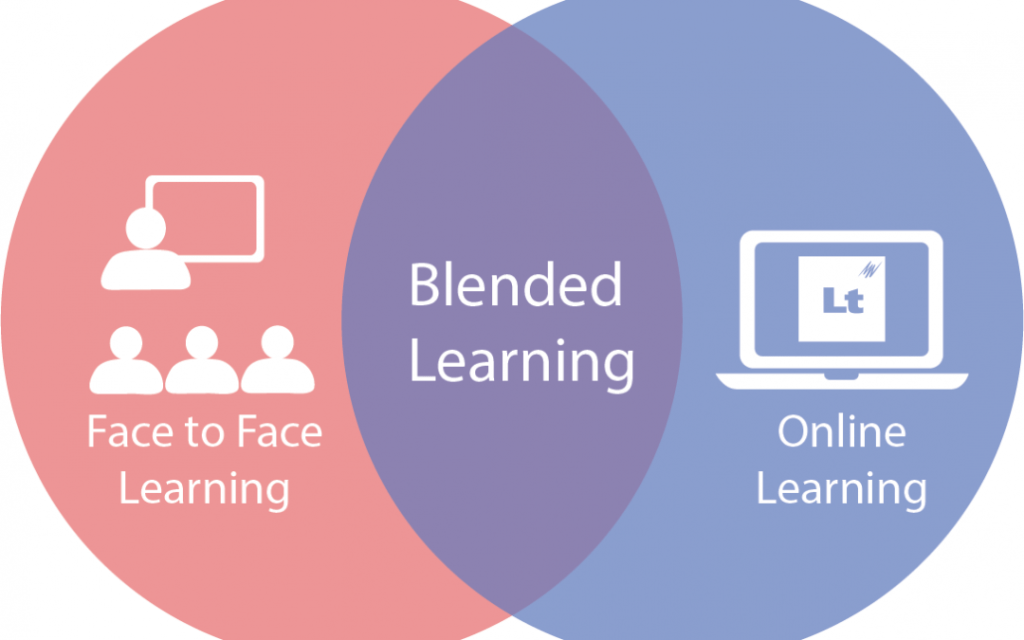
As the world of education continues to evolve, blended learning has emerged as a popular model that combines traditional classroom instruction with online learning. This approach offers flexibility and personalized learning experiences for students. However, one challenge that blended learners often face is the impact of weather-related disruptions on their ability to access and engage…
-
“Unlocking Potential: The Power of Personalized Learning in Education”

Personalized learning is an approach to education that tailors instruction and learning experiences to meet the unique needs, interests, and abilities of individual students. It recognizes that every learner is different and aims to provide a more flexible and student-centered learning environment. In traditional classrooms, teachers typically deliver lessons to the entire class at the…
-
Unleashing the Power of Student-Centered Curriculum: Empowering Learners for Success

Interviewer: Good afternoon everyone, and welcome to our discussion today on student-centered curriculum. Today, we have the pleasure of speaking with Dr. Sarah Thompson, an expert in alternative education and curriculum development. Thank you for joining us today, Dr. Thompson. Dr. Thompson: Thank you for having me. Interviewer: To start off, could you please explain…
 Alternative Amie