Tag: inquiry-based learning
-
Unleashing the Power of Socratic Questioning in Education
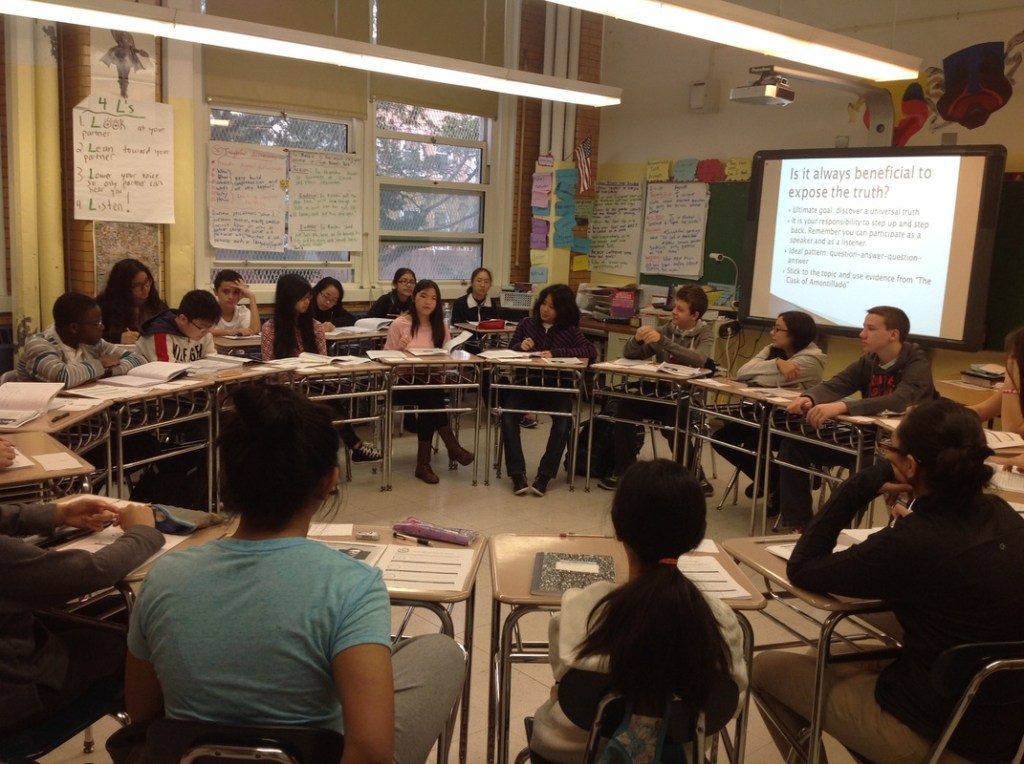
Have you ever wondered about the power of questioning techniques in education and how they can enhance critical thinking skills among students? One effective method that has stood the test of time is the Socratic method, a form of dialogue and discussion named after the ancient Greek philosopher Socrates. This method involves asking probing questions…
-
Unlocking Creativity and Curiosity: Inside the Reggio Emilia Approach to Child Learning
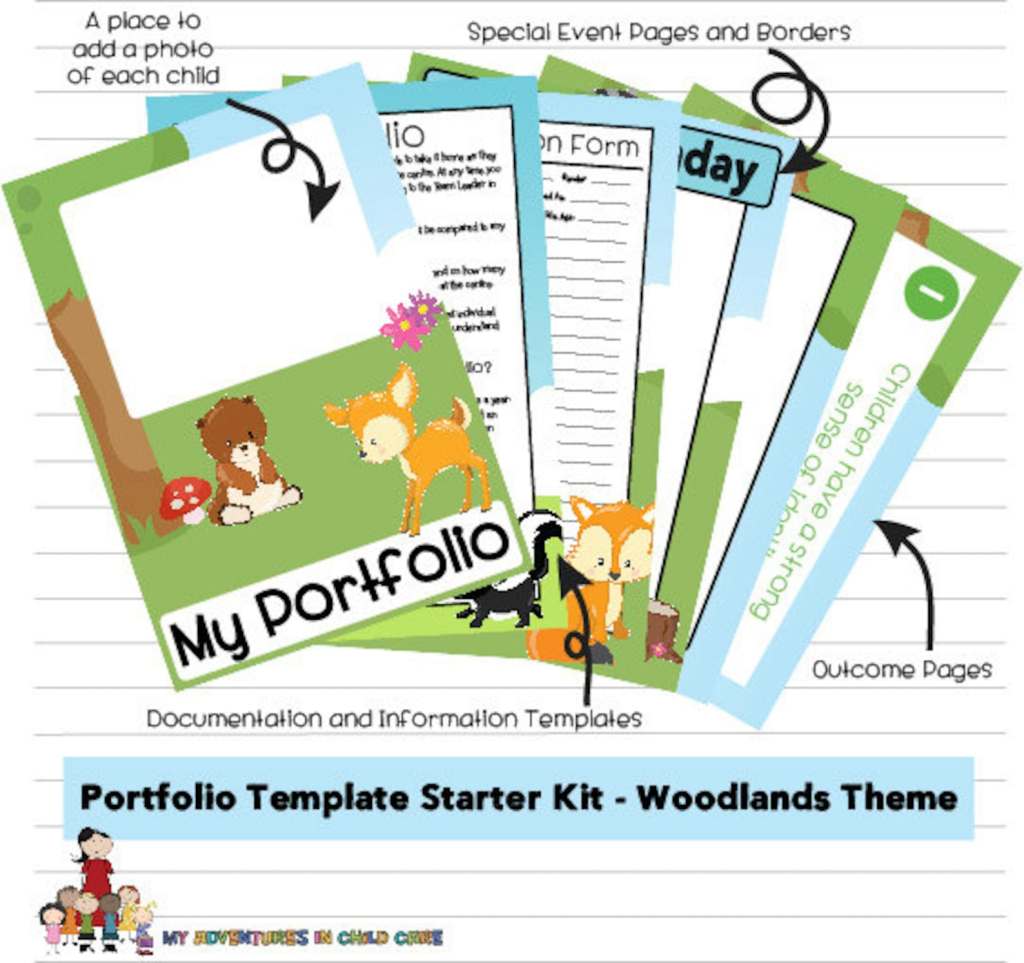
Documentation of children’s learning in the Reggio Emilia approach is a crucial aspect that helps educators understand and appreciate the child’s thoughts, ideas, and progress. Through observations, photographs, videos, and written reflections, teachers create portfolios that showcase each child’s journey of discovery and development. This documentation not only serves as a record of the child’s…
-
“Empowering Students Through Project-Based Learning: Fostering Critical Thinkers and Innovators for the Future”

Project-based learning (PBL) is a student-centered pedagogy that involves learners working on real-world projects to gain knowledge and skills through active exploration. PBL aims to engage students in critical thinking, problem-solving, collaboration, and creativity by immersing them in authentic tasks that mirror the challenges they may face in the professional world. One of the key…
-
Empowering Education: Unleashing Creativity and Curiosity through Alternative Approaches

Unschooling is a form of alternative education where children learn through self-directed activities and exploration rather than following a traditional school curriculum. Advocates of unschooling believe that children are naturally curious and motivated to learn, and that they will thrive when given the freedom to pursue their interests at their own pace. One key aspect…
-
Exploring Innovative Education: Diving into Alternative Schooling Methods

Welcome to today’s panel discussion where we will delve into the world of alternative schooling and education. Our experts come from various backgrounds, each with a unique perspective on different approaches to learning outside the traditional classroom setting. Let’s start by exploring some innovative educational methods such as unschooling, project-based learning, nature-based education, Reggio Emilia…
-
Empowering Education: The Impact of Inquiry-Based Learning

Inquiry-based learning is a dynamic approach to education that prioritizes curiosity, critical thinking, and problem-solving skills. Instead of relying solely on traditional methods like lectures and textbooks, this innovative teaching strategy empowers students to take ownership of their learning process by encouraging them to ask questions, explore topics of interest, conduct research, and collaborate with…
-
Empowering Students Through Self-Directed Learning: A Path to Success
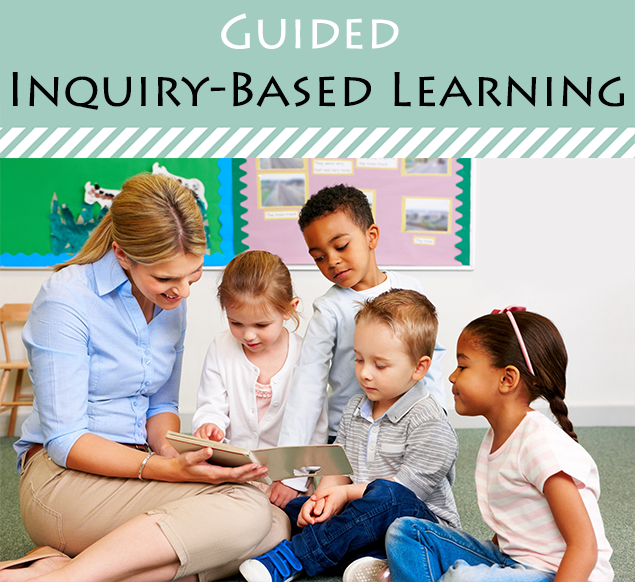
Project-based learning, inquiry-based learning, and experiential learning are innovative approaches that have gained popularity in recent years for their effectiveness in engaging students and promoting deeper understanding. These methods involve hands-on experiences, real-world problem-solving, and student-driven investigations to foster critical thinking skills and a deeper connection to the material being studied. Personalized learning plans cater…
-
Empowering Education: The Impact of Inquiry-Based Learning

Inquiry-based learning is a student-centered approach to education that fosters curiosity, critical thinking, and problem-solving skills. Instead of simply memorizing information from textbooks or lectures, students engage in activities that encourage them to ask questions, seek answers, and explore topics in depth. This method of learning empowers students to take ownership of their education and…
-
Unleashing Curiosity: The Power of Inquiry-Based Learning

Inquiry-based learning is a pedagogical approach that emphasizes the active involvement of students in constructing knowledge and understanding through questioning, exploring, and investigating. It shifts the focus from rote memorization and passive absorption of information to critical thinking, problem-solving, and meaningful engagement with content. At its core, inquiry-based learning empowers students to take ownership of…
-
Exploring the Great Outdoors: Nature Study Enhances Alternative Education

Nature study is a valuable and enriching component of alternative education, providing students with unique opportunities for hands-on learning and connection to the natural world. By immersing themselves in outdoor environments, students can engage all their senses, develop critical thinking skills, and foster a deep appreciation for the environment. One of the primary benefits of…
 Alternative Amie