Tag: inquiry-based learning
-
“Unleashing the Power of Questions: The Pedagogy of Questioning for Critical Thinking and Lifelong Learning”

Pedagogy of questioning is a teaching approach that emphasizes the importance of asking questions as a means to promote critical thinking and engage students in the learning process. It is an approach that goes beyond simply providing answers to questions, but instead focuses on encouraging students to think deeply about what they are learning and…
-
Unleashing the Power of Curiosity: The Benefits of Inquiry-Based Learning

Inquiry-based learning is an approach to education that prioritizes the student’s curiosity, interests, and questions. It encourages students to explore topics in depth by asking questions, seeking answers through research and experimentation, and making connections between different ideas. This model of learning has been gaining popularity in recent years as more educators recognize its benefits…
-
Inquiry-Based Learning Groups: The Key to Active Engagement and Critical Thinking in Alternative Education
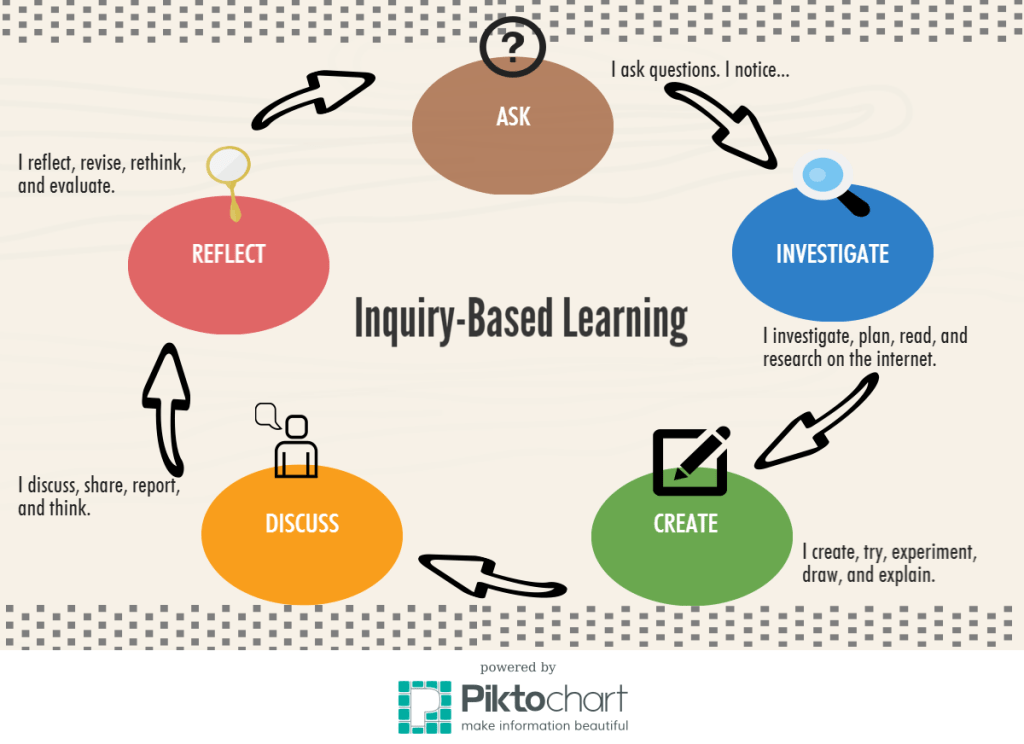
Inquiry-Based Learning Groups: A Guide for Alternative Schooling and Education Inquiry-based learning is an innovative approach to teaching and learning that promotes active engagement, critical thinking, and problem-solving skills. It encourages students to ask questions about the world around them, seek answers through research and experimentation, and share their findings with others. Inquiry-based learning groups…
-
Open-Ended Questioning: The Key to Developing Critical Thinking and Creativity in Students
Open-ended questioning in assessments is a powerful tool that can help students develop critical thinking skills, enhance their creativity, and improve their ability to communicate effectively. Unlike closed-ended questions that require specific answers, open-ended questions encourage students to explore new ideas, express their thoughts and feelings, and provide unique perspectives on various topics. In an…
-
Exploring Complex Issues: The Role of Philosophical Inquiry in Alternative Education
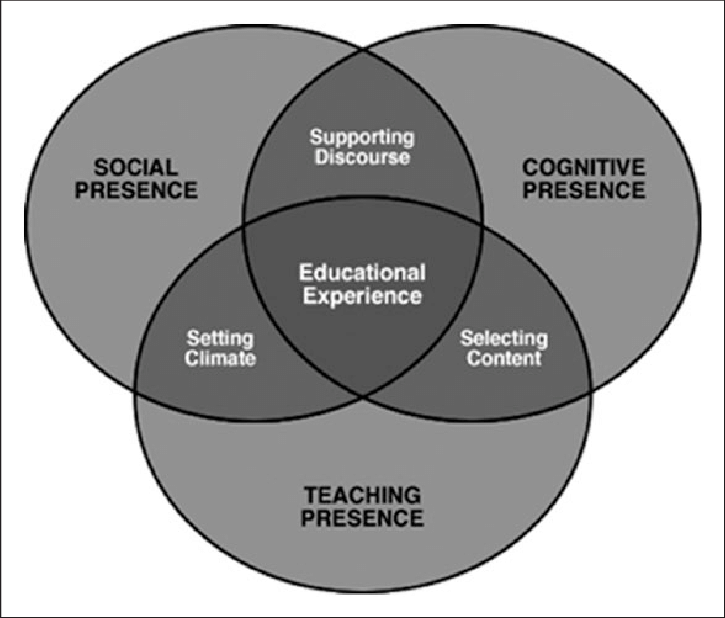
Philosophical Inquiry in Alternative Education Alternative education places a strong emphasis on student-centered learning, critical thinking, and inquiry-based approaches. Philosophical inquiry is an integral part of this educational philosophy as it provides students with the tools to explore complex issues, think critically about them, and develop their own unique perspectives. At its core, philosophical inquiry…
-
“Reggio Emilia Approach: Empowering Children as Active Learners through Play-Based Education”
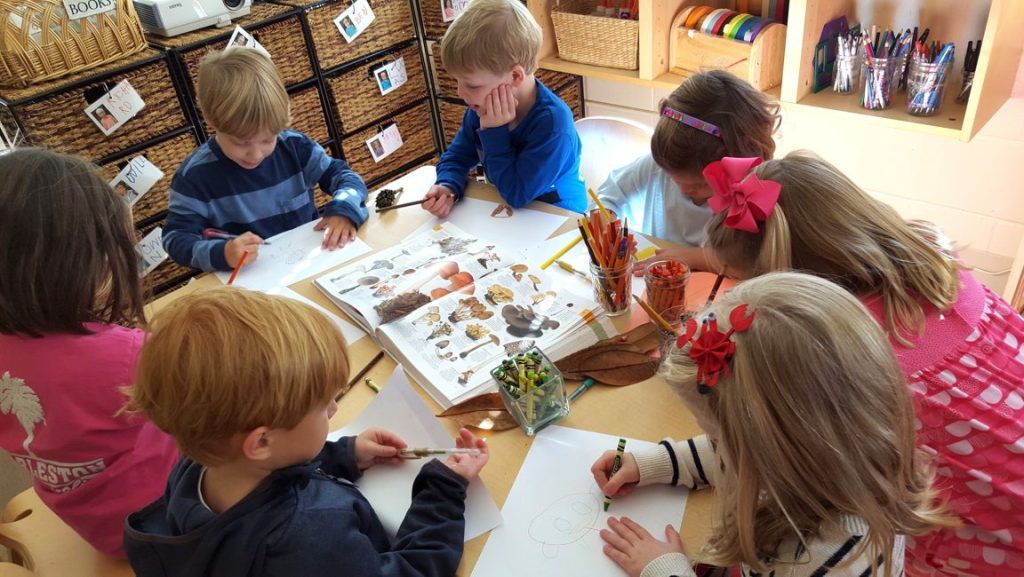
The Reggio Emilia approach is a child-centered educational philosophy that originated in the northern Italian town of Reggio Emilia after World War II. It is an alternative form of education that values children as capable and competent learners who are active participants in their own learning process. This approach is based on the belief that…
-
“Empower Students with Inquiry-Based Learning: A Student-Centered Approach to Education”

Inquiry-based learning is an approach that focuses on the student’s curiosity, interests, and questions to guide the learning process. It is a student-centered method that puts learners in charge of their education. The inquiry-based approach encourages students to ask questions and seek answers through research and investigation. The teacher acts as a facilitator who guides…
-
“Empowering Learning: How Inquiry-Based Teaching Sparks Creativity and Critical Thinking in Students”

Inquiry-based learning is a teaching method that focuses on the student’s active participation in the learning process. It encourages students to ask questions, seek answers, and develop their critical thinking skills. This approach to education has gained popularity among alternative schools and educators who believe that traditional education systems do not provide enough opportunities for…
-
“Collaboration is Key: Cooperative Learning in STEM Education Boosts Skills and Performance”
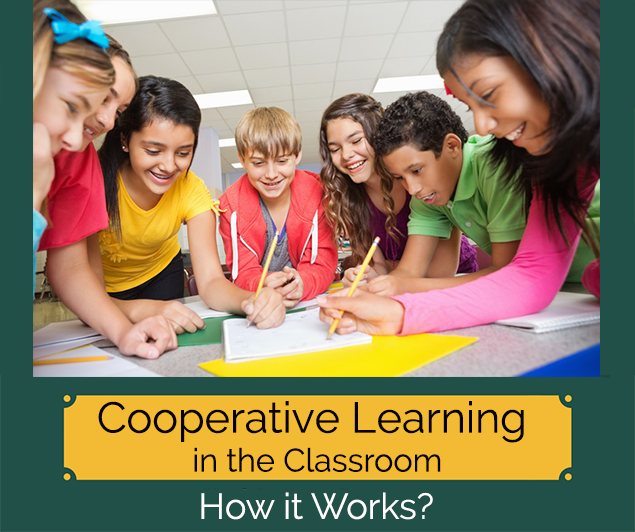
Cooperative learning has been gaining popularity in STEM education as it promotes collaborative problem-solving and critical thinking skills. In this approach, students work together in small groups to achieve a common goal, with each member contributing their unique skills and knowledge. This method is effective because it encourages active participation and engagement from all members…
-
Inquiry-Based Learning: Empowering Students to Take Control of Their Education

Inquiry-based learning is a teaching approach that places students at the center of the learning process. Unlike traditional classroom instruction where teachers impart knowledge on students, inquiry-based learning encourages learners to ask questions, seek answers, and explore topics in depth. This pedagogy has gained popularity in recent years as educators acknowledge the need to prepare…
 Alternative Amie