Tag: individualized education programs
-
Optimizing IEPs for Student Success: Innovative Strategies and Best Practices

Individualized Education Programs (IEPs) play a crucial role in supporting students with diverse needs in the educational system. These personalized plans outline specific goals, accommodations, and services tailored to meet each student’s unique learning requirements. In recent years, there has been a shift towards incorporating various best practices and innovative approaches to enhance the effectiveness…
-
“Empowering Every Student: Supporting Special Needs with Differentiated Instruction and Inclusive Practices”

Differentiated instruction is a teaching approach that recognizes and addresses the diverse learning needs of students. It involves tailoring instruction to meet the individual strengths, interests, and readiness levels of each student in order to maximize their learning potential. By providing multiple pathways to understanding and engaging with content, differentiated instruction helps create a more…
-
“Tailoring Education for All: Differentiating Instruction in IEPs to Meet Every Student’s Needs”
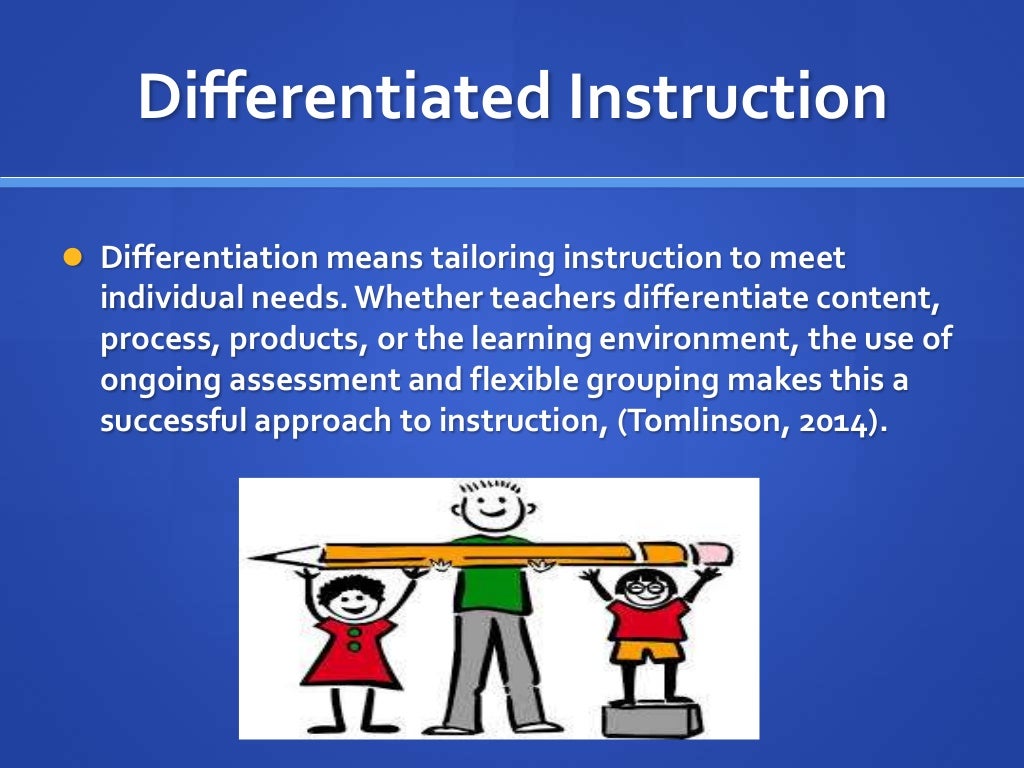
Differentiating Instruction in IEPs: Meeting the Needs of Every Student Individualized Education Programs (IEPs) are designed to provide specialized support and accommodations for students with disabilities. One crucial aspect of creating effective IEPs is differentiating instruction to meet the unique needs of each student. By tailoring teaching methods, materials, and assessments to suit individual abilities…
-
“Unlocking Potential: The Key Elements of Effective Individualized Education Programs (IEPs)”
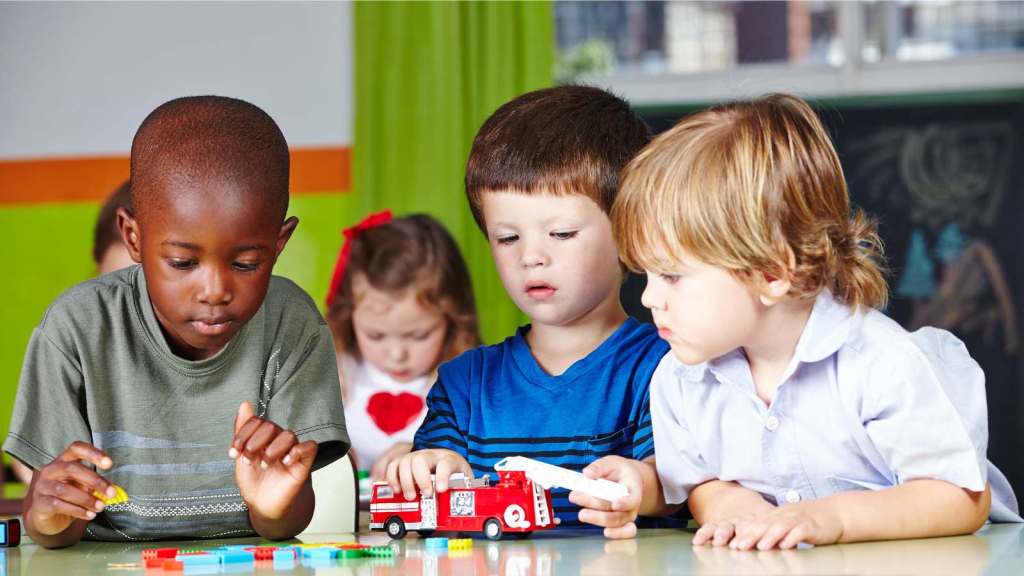
Differentiating instruction is a crucial aspect of supporting students with diverse learning needs. It involves tailoring teaching methods, materials, and assessments to meet the individual strengths, interests, and challenges of each student. By doing so, educators can ensure that all students are engaged and able to make progress. Assistive technology plays a significant role in…
-
“Unlocking Potential: Differentiating Instruction and Meeting Unique Needs in IEPs”

Differentiating Instruction in IEPs: Individualized Education Programs (IEPs) are designed to meet the unique needs of students with disabilities and provide them with appropriate educational services. One important aspect of creating effective IEPs is differentiating instruction to ensure that each student’s learning needs are addressed. Differentiation involves modifying instruction, materials, and assessments to meet the…
-
“Empowering Success: Transition Planning in IEPs for Students with Disabilities”
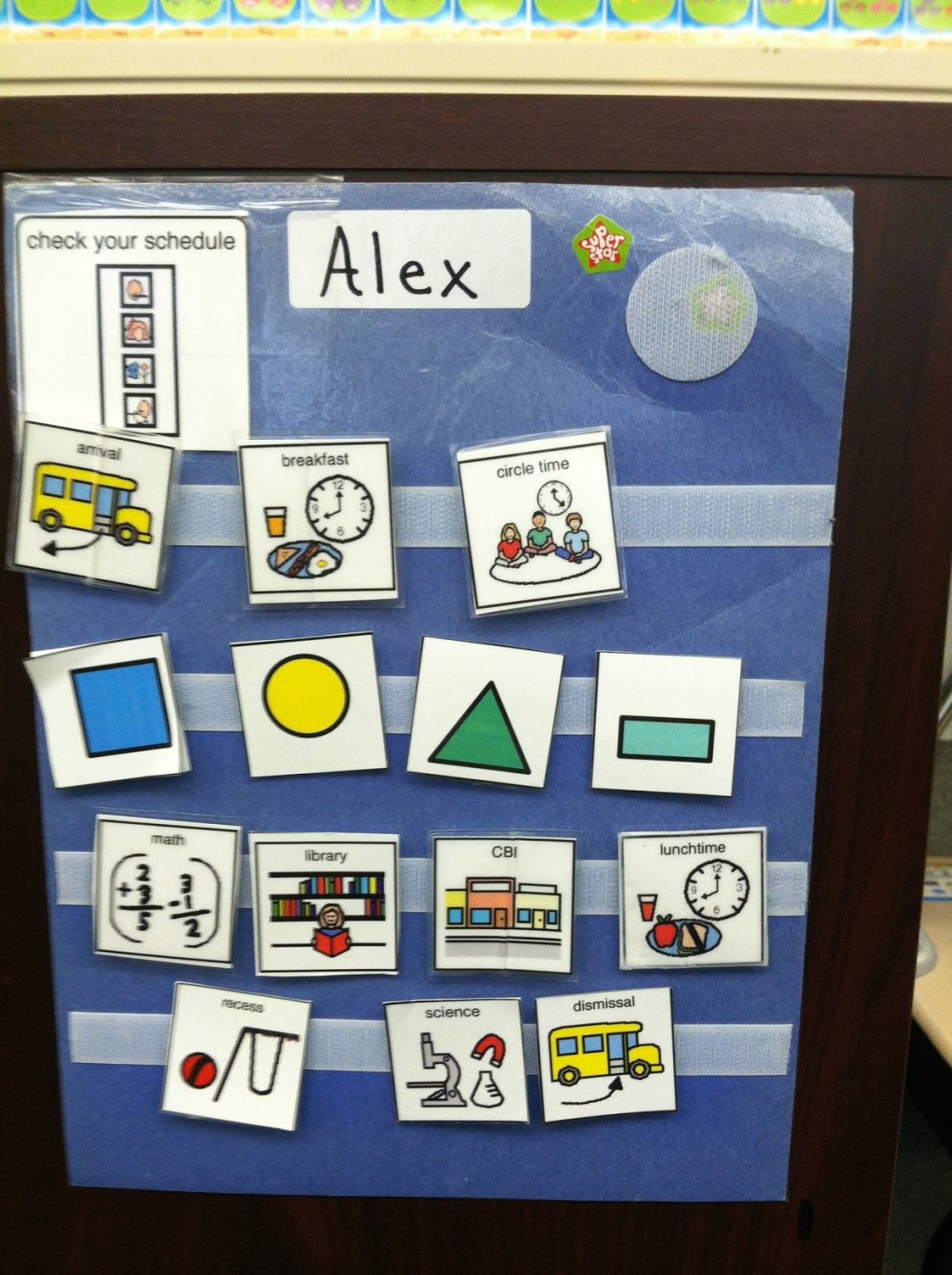
Transition Planning in IEPs Transition planning is a critical component of Individualized Education Programs (IEPs) for students with disabilities. It involves preparing students for life after high school, including post-secondary education, employment, and independent living. Transition planning should begin no later than age 14 and focus on the student’s strengths, interests, preferences, and goals. During…
-
“Unlocking Potential: Differentiating Instruction in IEPs for Student Success”
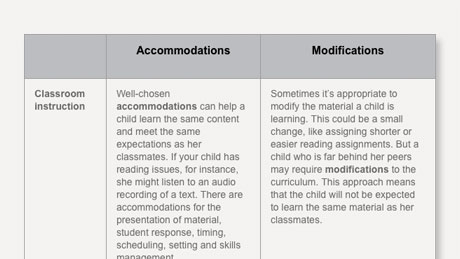
Differentiating Instruction in IEPs: Individualized Education Programs (IEPs) are designed to provide specialized support and accommodations for students with disabilities. One essential aspect of developing effective IEPs is differentiating instruction to meet the unique needs of each student. Differentiation involves tailoring instruction, content, and assessment to match a student’s abilities, learning style, and interests. In…
-
Empowering Education: Unlocking Potential for Children with Disabilities or Special Needs
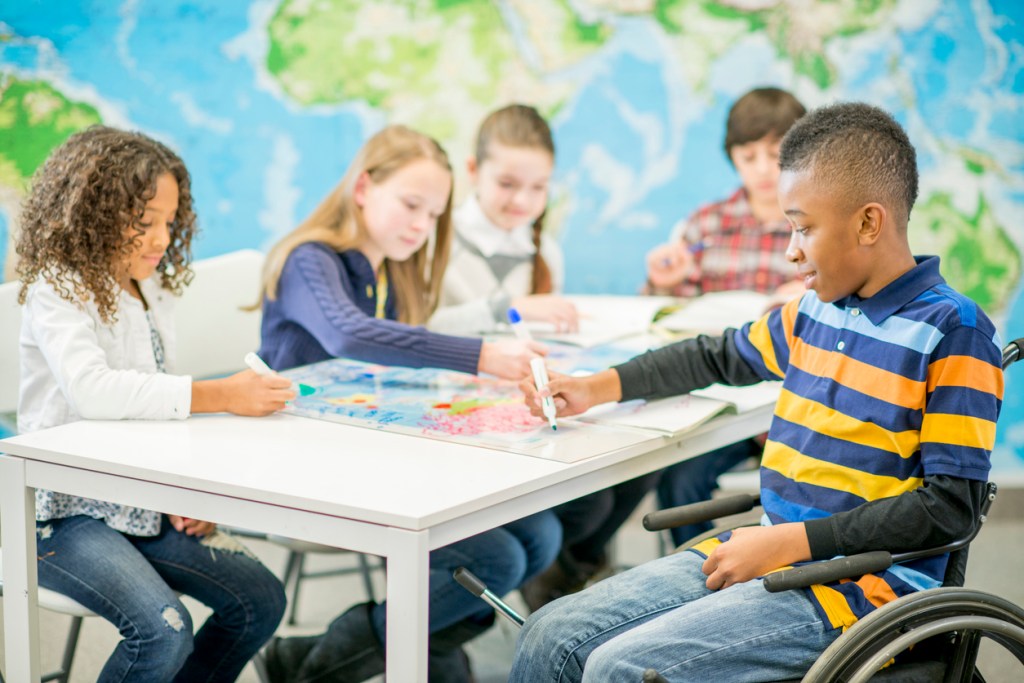
Education for Children with Disabilities or Special Needs Introduction: Every child deserves access to quality education, regardless of their abilities or disabilities. For children with disabilities or special needs, it is crucial to provide an inclusive and supportive learning environment that caters to their unique requirements. In this article, we will explore the importance of…
-
“Preparing for Success: Key Elements of Transition Planning in IEPs”

Transition Planning in IEPs: Transition planning is a crucial component of Individualized Education Programs (IEPs) for students with disabilities. It involves preparing students for life after high school and ensuring they have the necessary skills and supports to achieve their post-secondary goals. Here are some important considerations for effective transition planning within IEPs. 1. Start…
-
Navigating the Future: Transition Planning for Students with IEPs

Transition Planning for Students with IEPs Transition planning is a crucial component of Individualized Education Programs (IEPs) for students with disabilities. It involves preparing students for life after high school, including their post-secondary education, employment, and independent living goals. The purpose of transition planning is to ensure that students are equipped with the necessary skills…
 Alternative Amie