Tag: Individualized education plans (IEPs)
-
Breaking Barriers: Special Education Thrives in Virtual Schools

Special Education in Virtual Schools Virtual schooling is a rapidly growing alternative to traditional brick-and-mortar schools, offering flexibility and personalized learning opportunities for students. However, one area that often raises questions is how virtual schools cater to students with special needs. In recent years, significant progress has been made in the field of special education…
-
Boosting Language Skills: Early Intervention for At-Risk Students
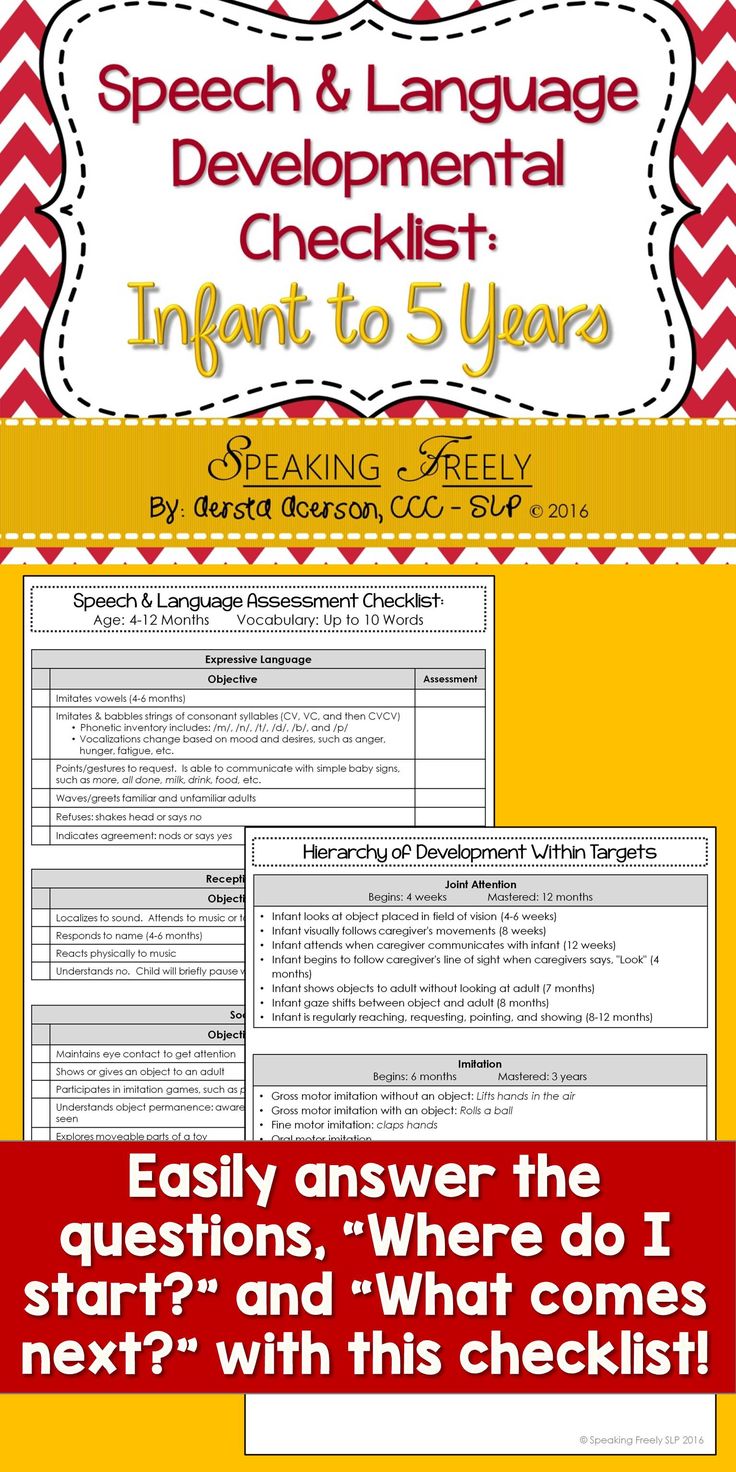
Early Intervention in Language Development for At-Risk Students Introduction: Language development plays a crucial role in a child’s overall cognitive and social development. For at-risk students, who may face various challenges that hinder their language acquisition, early intervention becomes even more critical. By providing targeted support and resources at an early stage, educators can significantly…
-
“Unlocking Potential: The Power of Personalized Learning in Education”
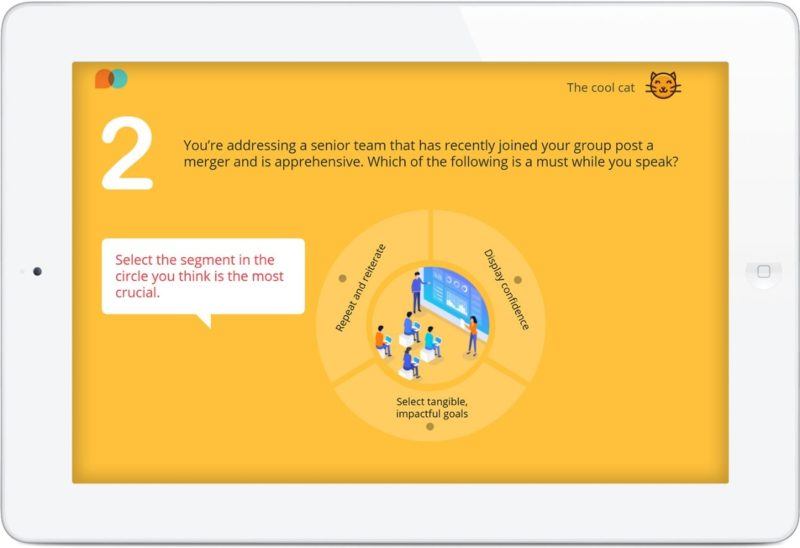
Gamification in personalized learning has gained significant attention in recent years as educators seek innovative ways to engage students and enhance their learning experiences. By incorporating elements of game design, such as rewards, challenges, and competition, into educational activities, gamification aims to make learning more enjoyable and motivating for students. One key benefit of gamification…
-
Empowering Students with Special Needs through Self-Paced Learning

Supporting Students with Special Needs in a Self-paced Environment Introduction: In recent years, self-paced learning has gained popularity as an alternative approach to traditional classroom settings. This method allows students to progress through the curriculum at their own pace, ensuring that they have enough time to grasp difficult concepts and master skills before moving on.…
-
Unleashing the Power of Narrative Assessments in Project-Based Learning

The Role of Narrative Assessments in Project-Based Learning Project-based learning (PBL) is an innovative educational approach that emphasizes the application of knowledge and skills through real-world projects. Unlike traditional assessments that focus on memorization and regurgitation of facts, PBL requires students to engage in critical thinking, problem-solving, collaboration, and communication. To effectively evaluate student performance…
-
Unlocking Potential: Alternative Schooling for Neurodiverse Learners

Montessori Education and Neurodiversity: Montessori education is a child-centered approach that emphasizes independence, freedom within limits, and respect for each child’s unique development. It is an educational philosophy that aligns well with the principles of neurodiversity, which recognizes and values the diversity of neurological differences among individuals. In a Montessori classroom, children are encouraged to…
-
Unleashing the Power of Portfolio Assessment in Alternative Education

Authentic assessment methods in portfolio assessment: Portfolio assessment is a valuable tool for evaluating student learning. It goes beyond traditional paper-and-pencil tests by providing a comprehensive view of a student’s knowledge, skills, and abilities. Authentic assessment methods are particularly effective in portfolio assessment as they focus on real-world tasks and allow students to demonstrate their…
-
“Unlocking the Potential of Twice-Exceptional Learners: Strategies for Supporting Advanced Students with Disabilities and Challenges”
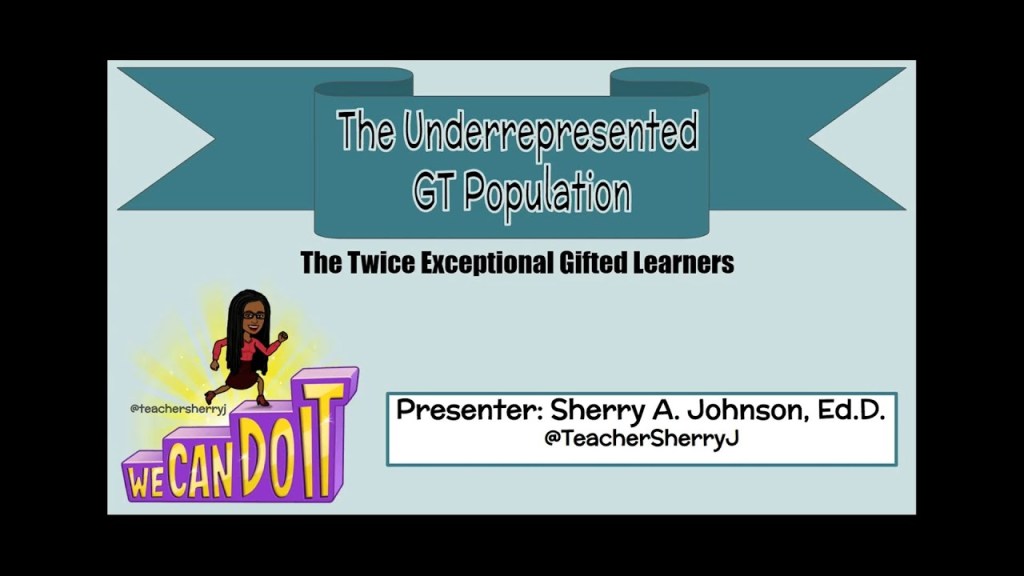
Twice-exceptional learners, also known as 2e students, are individuals who possess both exceptional abilities and disabilities. These students may have high intellectual abilities but struggle with a learning disability or attention deficit hyperactivity disorder (ADHD), making it difficult for them to reach their full potential. While the concept of 2e learners is not new, there…
-
Understanding Asperger’s Syndrome: Traits, Challenges, and Interventions
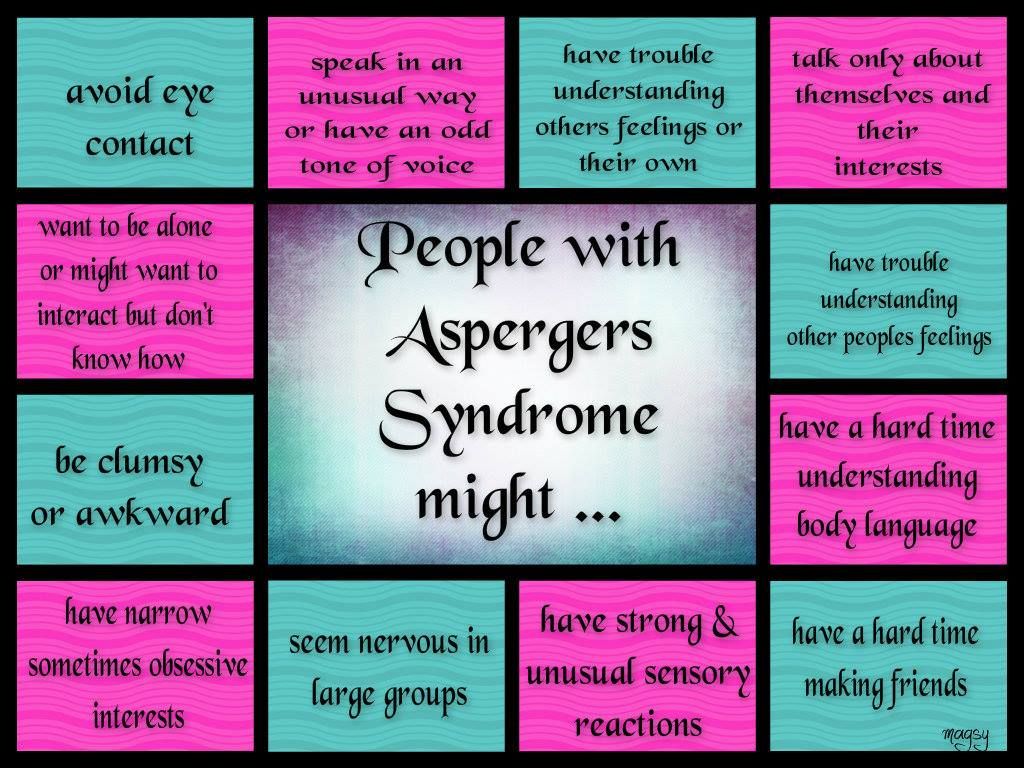
Asperger’s Syndrome, also known as Asperger’s Disorder or simply AS, is a neurodevelopmental disorder that falls under the umbrella of Autism Spectrum Disorders (ASD). It was first identified by Austrian pediatrician Hans Asperger in 1944 and is characterized by difficulties in social interaction and communication, as well as restricted and repetitive patterns of behavior. One…
 Alternative Amie