Tag: individual strengths
-
Empowering Students: Honoring Individual Strengths in Alternative Education

In the traditional education system, students often find themselves conforming to a standardized curriculum that may not always cater to their individual strengths and talents. However, alternative schooling approaches aim to address this by honoring each student’s unique abilities and providing them with opportunities to thrive in their own way. One of the key principles…
-
“Debunking Learning Styles: Why Tailoring Education to Preferences Might Not Work”

Imagine a world where every student is taught in the exact same way, regardless of their individual strengths and preferences. Sounds like a recipe for disaster, doesn’t it? Well, luckily for us, the education system has recognized that students have different learning styles and preferences. And so, the concept of “learning styles” was born. Learning…
-
Unleashing the Potential: Unschooling Revolutionizes Education for Gifted Children

Unschooling for Gifted Children: A Revolutionary Approach to Education In the realm of alternative schooling, unschooling has gained significant attention for its unique and unconventional approach. While it may not be suited for every child, unschooling holds particular appeal for gifted children who thrive on autonomy and self-directed learning. So, what exactly is unschooling? Unlike…
-
Unlocking Potential: The Power of Interest-Led Curriculum

Imagine a world where children are excited about learning, where their passions and interests drive their education. No more sitting through lectures on subjects they find boring or irrelevant. Instead, imagine an educational system that values students’ unique strengths and allows them to explore topics they are truly passionate about. This is the essence of…
-
Unlocking the Potential of Every Learner: Strategies for Assessing Multiple Intelligences

Multiple Intelligences Assessment Strategies: Unlocking the Potential of Every Learner In traditional education systems, intelligence is often measured solely based on academic performance or cognitive abilities. However, this narrow perspective fails to capture the diverse range of talents and skills that individuals possess. Recognizing this limitation, Howard Gardner introduced the theory of multiple intelligences in…
-
Unleashing the Power of Strengths: A Game-Changing Approach to Education
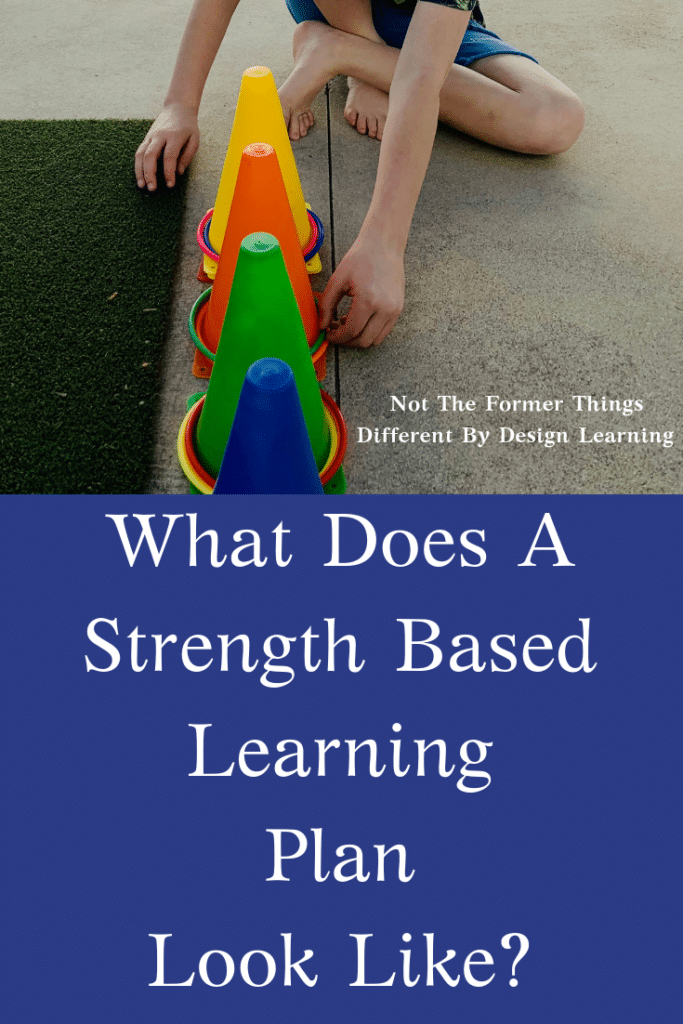
Strengths-based approaches to education and learning are gaining popularity as educators recognize the importance of focusing on students’ unique abilities and talents. This approach aims to identify and nurture individual strengths, rather than solely focusing on weaknesses or deficits. One key aspect of a strengths-based approach is the belief that all students have inherent strengths.…
-
“Unlocking Student Potential: The Power of Differentiated Instruction”

Differentiated instruction is a teaching approach that recognizes and supports the diverse learning needs of students. It involves tailoring instruction to meet the individual strengths, interests, and readiness levels of each student in the classroom. By doing so, teachers can create an inclusive learning environment where every student has the opportunity to succeed. One technique…
-
Unlocking Student Potential: Rethinking Performance Evaluation in Alternative Education

Performance Evaluation in Alternative Education Introduction: In traditional education systems, performance evaluation is often based on standardized tests and grades. However, alternative schooling and education approaches emphasize a more holistic assessment of student progress and development. Performance evaluation in alternative education goes beyond test scores to include various forms of assessment that take into account…
-
“Project-Based Learning: A Hands-On Approach to Education That Promotes Critical Thinking and Collaboration”
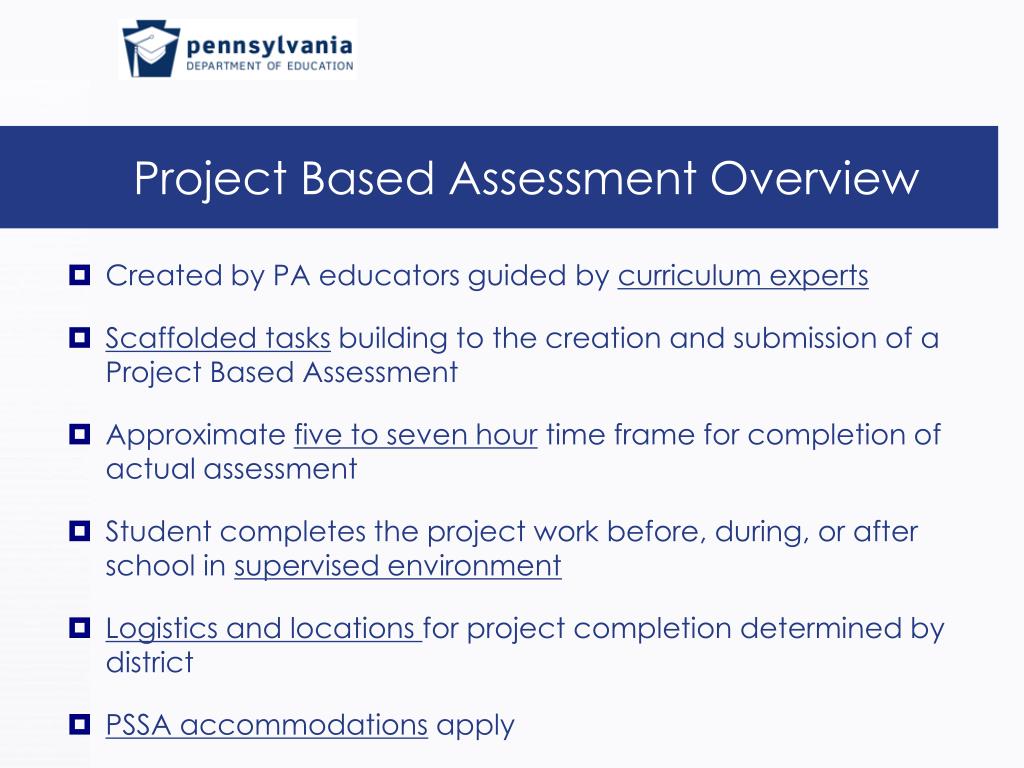
Project-based learning (PBL) is an effective method of teaching that has gained popularity in recent years. It involves students working on a project or problem for an extended period, collaborating with their peers, and presenting their findings to others. One of the primary benefits of PBL is that it provides students with a more hands-on…
 Alternative Amie