Tag: inclusive practices
-
Empowering Individuals with Intellectual Disabilities through Alternative Education

Intellectual Disability (ID) is a condition characterized by limitations in intellectual functioning and adaptive behaviors. It impacts a person’s ability to learn, reason, problem-solve, and communicate effectively. Individuals with ID may have difficulty with everyday tasks such as social interactions, self-care activities, and academics. One of the key aspects of supporting individuals with Intellectual Disabilities…
-
Unleashing the Power of Collaborative Learning: From Peer Assessment to Cross-Age Tutoring
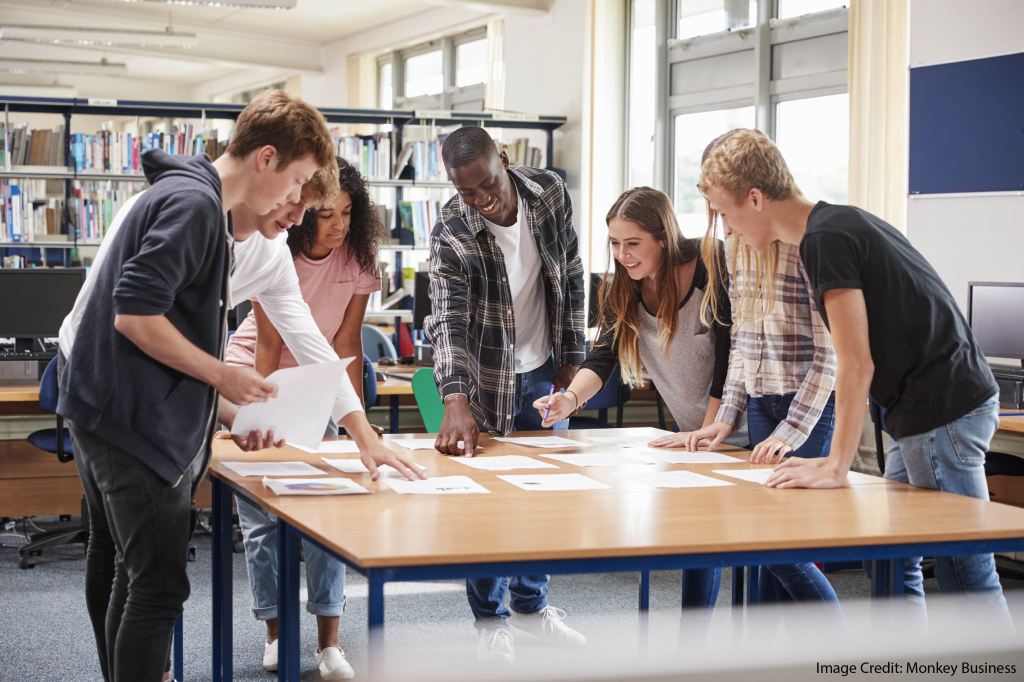
Collaborative learning is a powerful educational approach that fosters teamwork, critical thinking, communication skills, and overall academic success among students. By working together in groups or pairs, students can engage in meaningful discussions, share diverse perspectives, and learn from each other’s strengths and weaknesses. In this article, we will explore various aspects of collaborative learning…
-
Empowering Diversity: The Vital Role of Bilingual Special Education Services

Bilingual special education services play a crucial role in supporting students with disabilities who come from diverse linguistic backgrounds. These services aim to address the unique needs of these students by providing specialized instruction and support in both their native language and the language of instruction in their educational setting. In a panel discussion on…
-
Navigating the Challenges and Benefits of Multiage Classrooms

Implementing multiage classrooms comes with its own set of challenges, but also offers numerous benefits for students. One key challenge is addressing individual learning needs in a mixed-age setting. Teachers must be adept at differentiating instruction to cater to the diverse academic levels and learning styles present in their classroom. This requires careful planning and…
-
Unlocking Linguistic Potential: The Power of Bilingual Education

Bilingual education is a powerful tool that not only helps students develop proficiency in multiple languages but also fosters cultural understanding and appreciation. There are various aspects of bilingual education that educators and policymakers need to consider to ensure its effectiveness in diverse educational settings. One key aspect is dual language immersion programs, which have…
-
“Unlocking Success: Strategies for Thriving with Sensory Processing Disorder in Schools”

Sensory Processing Disorder (SPD) is a condition that affects how the brain processes sensory information from the environment. Individuals with SPD may have difficulty processing and responding to sensory stimuli such as sounds, sights, textures, tastes, and smells. This can result in overstimulation or understimulation of the senses, leading to challenges in daily activities and…
-
Empowering Education: The Key Components of Alternative Schooling

Individualized learning plans (ILPs) are a key component of alternative schooling and education programs, allowing students to have tailored educational experiences based on their unique strengths, weaknesses, interests, and learning styles. By creating ILPs for each student, educators can better support diverse learners and ensure that all students have the opportunity to reach their full…
-
Empowering Alternative Learners Through Peer Assessment
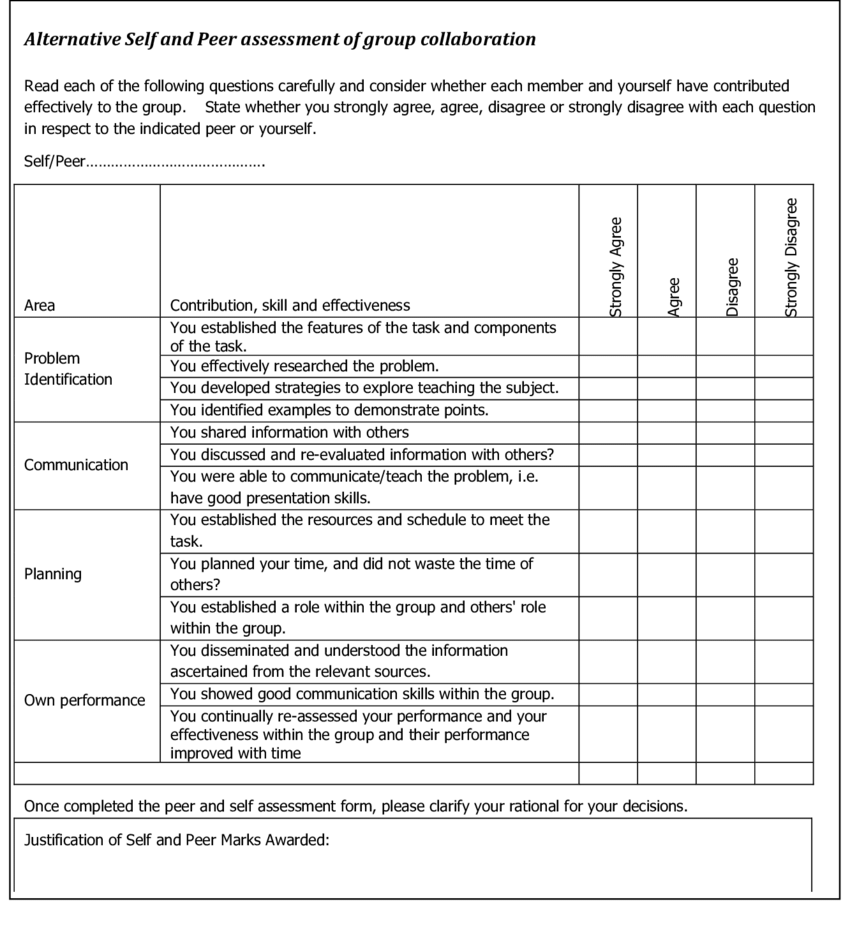
Self-assessment techniques are valuable tools for students in alternative schooling and education programs. Encouraging students to reflect on their own work, strengths, and areas for growth can foster a sense of ownership over their learning journey. Self-assessment techniques can range from simple checklists to more detailed reflection prompts or rubrics tailored to specific projects or…
-
Unlocking the Power of Multiple Intelligences: A Path to Personalized Learning
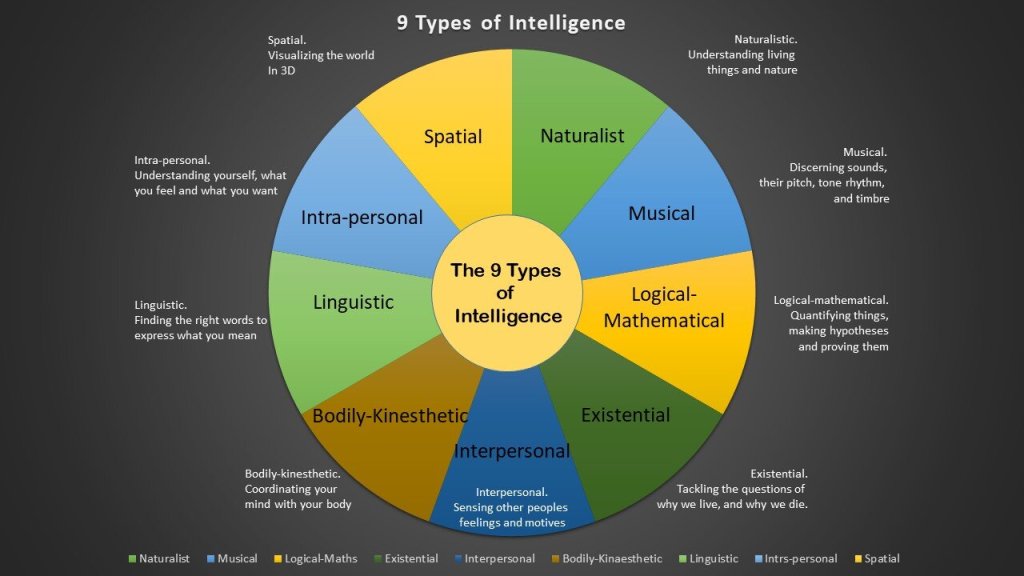
Multiple Intelligences (MI) theory, developed by psychologist Howard Gardner in 1983, suggests that intelligence is not a singular entity measured by traditional IQ tests. Instead, Gardner proposed that there are multiple intelligences that individuals possess to varying degrees. These intelligences include linguistic, logical-mathematical, musical, spatial, bodily-kinesthetic, interpersonal, intrapersonal, and naturalist intelligences. The concept of Multiple…
-
Unlocking History: The Power of Flashback in Alternative Education

Flashback is a powerful and innovative educational tool that has been gaining popularity in alternative schooling and education settings. This unique approach to learning offers students the opportunity to engage with material in a dynamic and interactive way, fostering deeper understanding and retention of information. In this article, we will explore the various aspects of…
 Alternative Amie