Tag: inclusive learning environment
-
“8 Collaborative Projects and Group Work Ideas That Transform Education”

Collaborative projects and group work are valuable learning experiences that can greatly enhance the educational journey of students. They provide opportunities for students to develop essential skills such as communication, teamwork, problem-solving, and critical thinking. Moreover, collaborative projects encourage active engagement and create an inclusive learning environment where all participants contribute their unique perspectives and…
-
“Breaking Barriers: Building Relationships in the Multiage Classroom”

Building relationships between students of different ages in a multiage classroom In traditional classrooms, students are typically grouped together based on their age. However, there is an alternative approach to education that aims to break down these barriers and create a more inclusive learning environment: the multiage classroom. In this setting, students of different ages…
-
Unleashing the Power of Neurodiversity: Strategies for Inclusive Education

1. Sensory processing differences in neurodivergent individuals: Neurodivergent individuals often experience sensory processing differences, which can impact their ability to process and respond to sensory information from the environment. Some may be hypersensitive, meaning they are easily overwhelmed by certain stimuli such as loud noises or bright lights. Others may be hyposensitive, where they have…
-
Empowering Students in Alternative Schooling: Collaborative Assessment and Feedback Techniques

Collaborative Assessment and Feedback Techniques: Empowering Students in Alternative Schooling In traditional education systems, assessment and feedback are often seen as one-way processes where teachers evaluate students’ performance and provide them with grades or comments. However, in alternative schooling and education, the focus is on creating a collaborative learning environment that empowers students to take…
-
“Co-op Connections: Fostering Community and Learning through Cooperative Education”
Co-op Socialization Opportunities: Fostering Community and Learning In the realm of alternative schooling and education, cooperative learning is gaining popularity as a powerful tool for socialization. Cooperative or co-op programs provide students with unique opportunities to engage in collaborative projects, build relationships, and develop essential life skills. These programs go beyond traditional classroom settings, allowing…
-
“Tailoring Education for All: Differentiating Instruction in IEPs to Meet Every Student’s Needs”
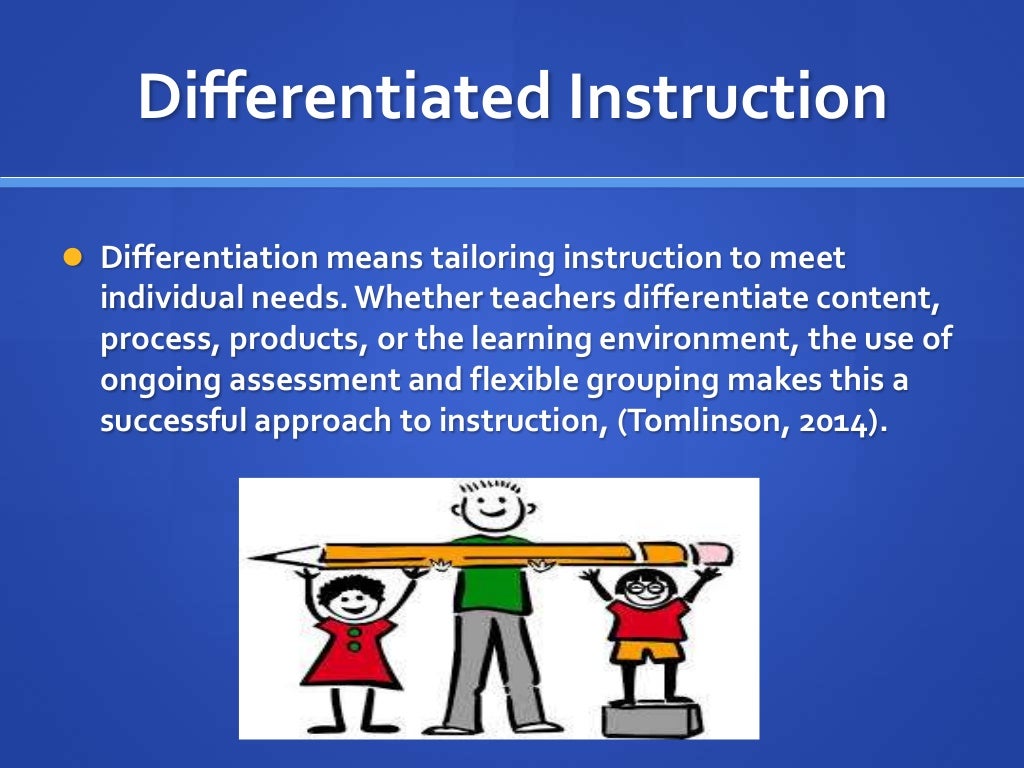
Differentiating Instruction in IEPs: Meeting the Needs of Every Student Individualized Education Programs (IEPs) are designed to provide specialized support and accommodations for students with disabilities. One crucial aspect of creating effective IEPs is differentiating instruction to meet the unique needs of each student. By tailoring teaching methods, materials, and assessments to suit individual abilities…
-
“Building Bridges: Peer Mentorship Thrives in Alternative Schools, Fostering Positive Relationships Among Students”

Peer Mentorship and Building Positive Relationships Among Students in Alternative Schools In traditional schools, students often have access to a variety of resources and support systems. However, alternative schools provide a unique learning environment that caters to students with diverse needs and interests. In these settings, peer mentorship plays a crucial role in building positive…
-
Unlocking the Senses: Supporting Children’s Unique Needs in the Classroom
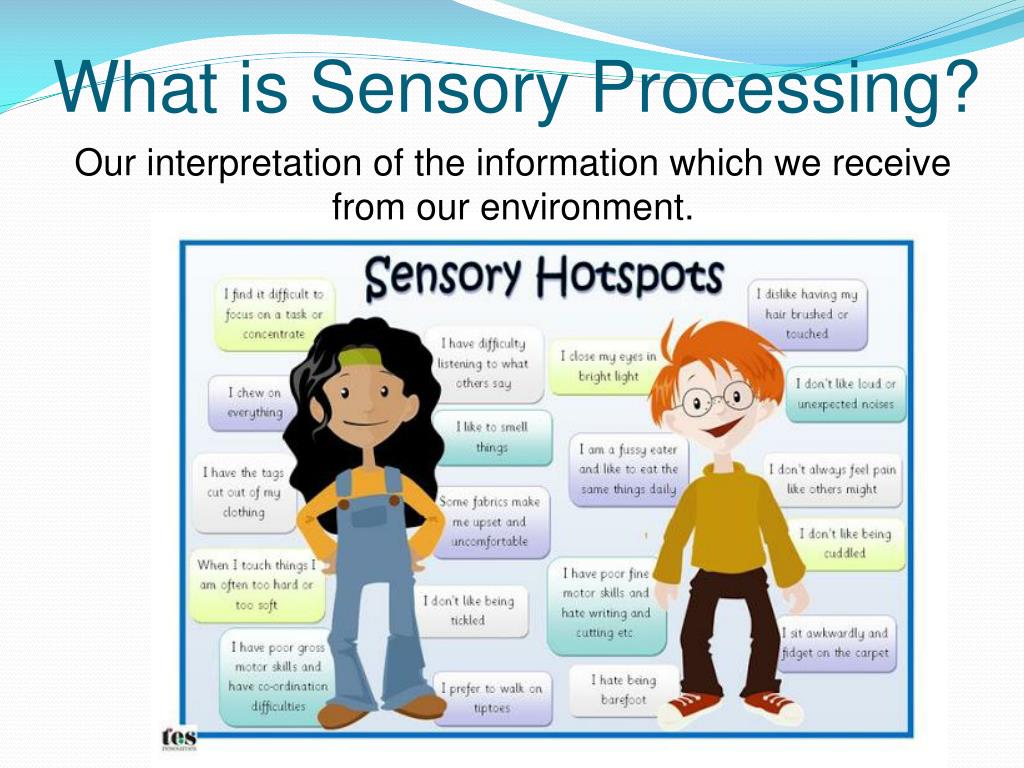
Sensory Processing Differences: Understanding and Supporting Children’s Unique Needs Introduction: In a classroom setting, children come from diverse backgrounds with varying abilities, strengths, and challenges. One aspect that significantly affects their learning experience is sensory processing differences. Sensory processing refers to the way the nervous system receives and responds to sensory information from our environment.…
-
Unlocking the Potential: Differentiated Instruction in Online Classrooms

Differentiated Instruction in Online Classrooms: A Q&A Guide In recent years, online classrooms have become increasingly popular as a flexible and accessible alternative to traditional brick-and-mortar schools. However, one challenge that arises in the virtual learning environment is ensuring that each student’s unique needs are met. This is where differentiated instruction comes into play. In…
-
“Unlocking Minds: The Power of the Socratic Method in Education”

The Socratic method is a teaching technique that fosters critical thinking and encourages active participation from students. It was named after the Greek philosopher Socrates, who believed in engaging students through questioning and dialogue rather than lecturing. At its core, the Socratic method involves a teacher asking open-ended questions to stimulate thoughtful responses from students.…
 Alternative Amie