Tag: inclusive classrooms
-
Unlocking the Power of Auditory Learning: Expert Shares Insights for Success
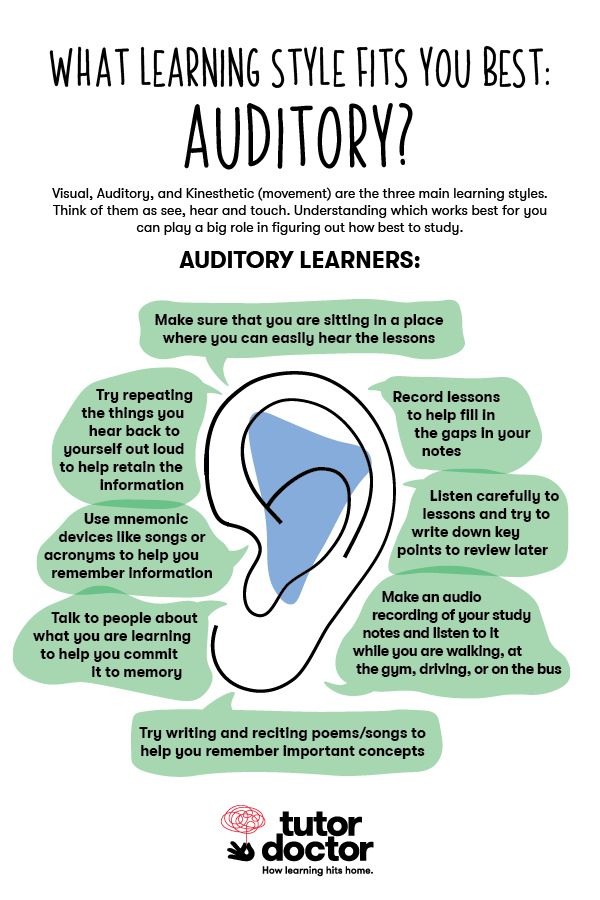
When it comes to learning, there are three main types of learners: visual, kinesthetic, and auditory. Auditory learners learn best through listening and speaking. In an interview with Dr. Jane Smith, a professor of education at XYZ University and an expert in auditory learning, we gained insight into this unique way of learning. Dr. Smith…
-
“Universal Design for Learning: Creating Inclusive Classrooms for All Learners”
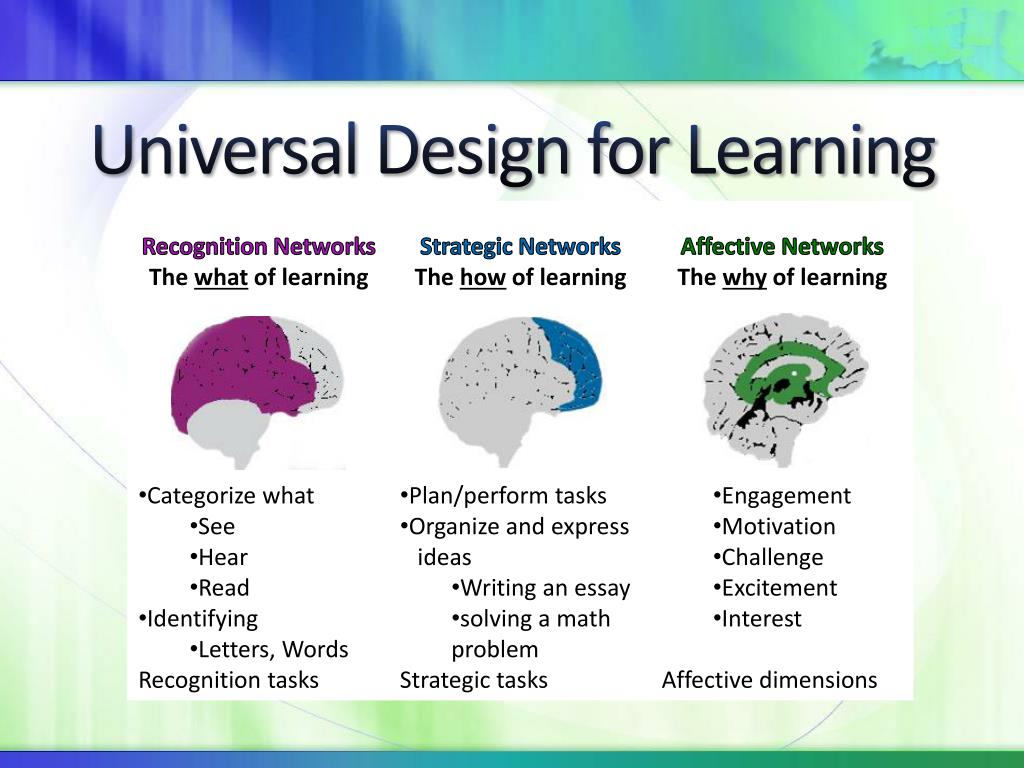
As our world becomes increasingly diverse, it is imperative that we develop educational methods that can cater to the needs of all learners. Universal Design for Learning (UDL) is an approach to education that aims to provide every student with equal learning opportunities and experiences, regardless of their ability level, background or learning style. UDL…
-
“Tailored Teaching: The Benefits of Differentiated Instruction for Diverse Learners”
Differentiated instruction is an approach to teaching that acknowledges the diversity of learners in a classroom and aims to cater to their individual learning needs. The idea behind this method is simple: every student learns differently, at different rates, and with different levels of engagement. By creating lessons that are tailored to each student’s unique…
-
Building Positive Teacher-Student Relationships: The Key to Success in Alternative Education Settings

In many traditional school environments, the relationship between teachers and students can often be strained or distant. However, in alternative schooling and education settings, there is a greater emphasis on building positive teacher-student relationships. These relationships are essential for creating a supportive learning environment where students feel valued, respected, and motivated to learn. One key…
-
Reggio Emilia Approach: Revolutionizing Education with Collaborative Learning and Creative Expression

Reggio Emilia Approach: A Progressive Approach to Education Education is a fundamental right for every child, and it should be an enjoyable experience that fosters creativity, curiosity, and critical thinking. However, the traditional approach to education has often focused on memorization and rote learning. In contrast, the Reggio Emilia approach emphasizes the unique abilities of…
-
Maximizing Student Potential: The Power of Differentiated Instruction
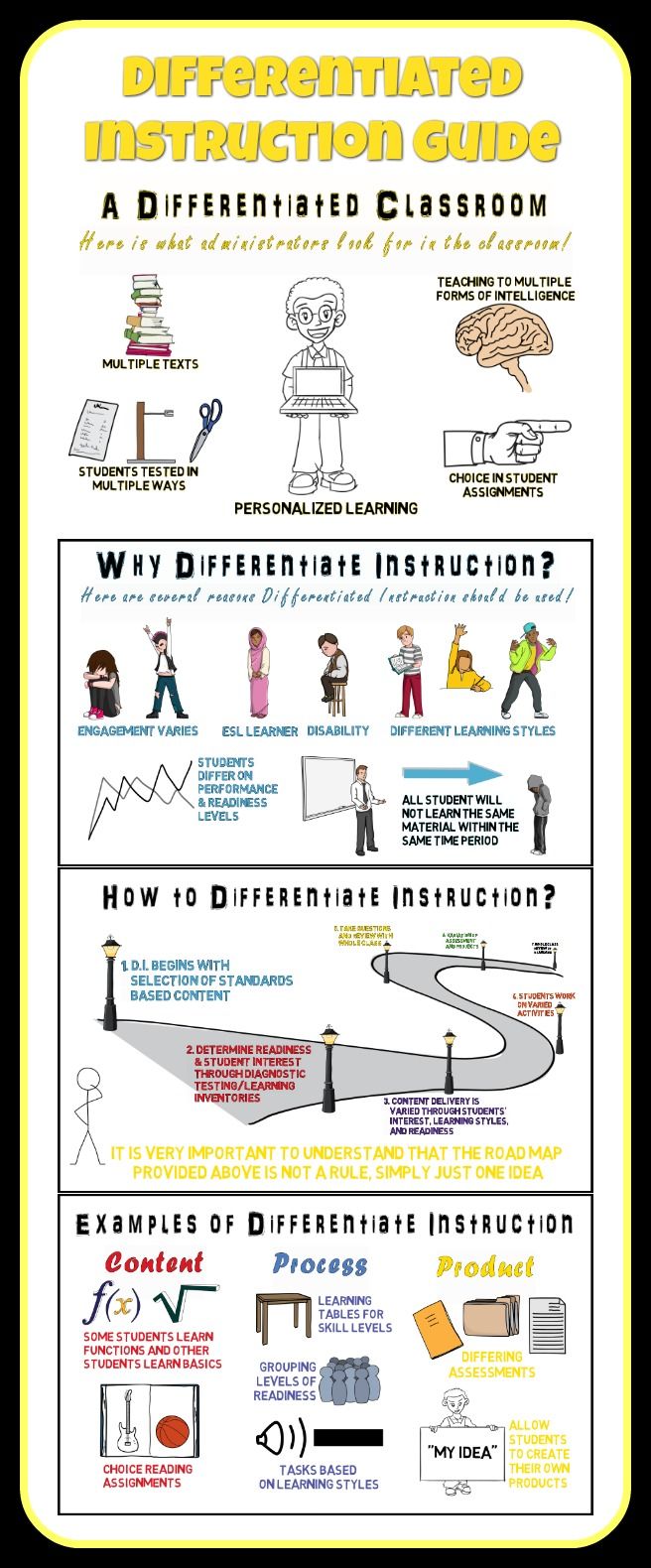
Differentiated instruction is a teaching approach that recognizes the diversity of students’ needs and abilities in the classroom. This method aims to provide individualized instruction and support to each student, based on their strengths, weaknesses, learning styles, and interests. The goal of differentiated instruction is to maximize each student’s potential by providing them with appropriate…
 Alternative Amie