Tag: Immersive Experiences
-
“Unlocking New Pathways: Apprenticeships and Internships in Education Offer Hands-On Learning and Professional Connections”

Apprenticeships and Internships in Education: Exploring New Pathways for Learning In the pursuit of a well-rounded education, many students are now seeking alternative pathways such as apprenticeships and internships. These immersive learning experiences offer invaluable opportunities to gain practical skills, explore career options, and establish professional connections within the field of education. Traditionally, internships have…
-
Experiential Field Trips: Unleashing Learning and Discovery

Experiential Field Trips: A Journey of Learning and Discovery In the realm of alternative schooling and education, experiential field trips have gained significant recognition for their ability to provide students with unique learning opportunities outside the traditional classroom setting. These trips offer a hands-on and immersive experience that sparks curiosity, fosters creativity, and deepens understanding.…
-
Revolutionizing Online Learning: Gamification, Virtual Reality, Peer Collaboration, and Accessibility
Gamification in Online Learning: In recent years, gamification has emerged as a powerful tool in the field of online learning. By incorporating game elements into educational activities, such as quizzes, assignments, and simulations, educators can enhance student engagement and motivation. One key aspect of gamification is the use of rewards and incentives to encourage students…
-
Embracing the Unconventional Path: Experiential Learning Sparks a New Wave of Education
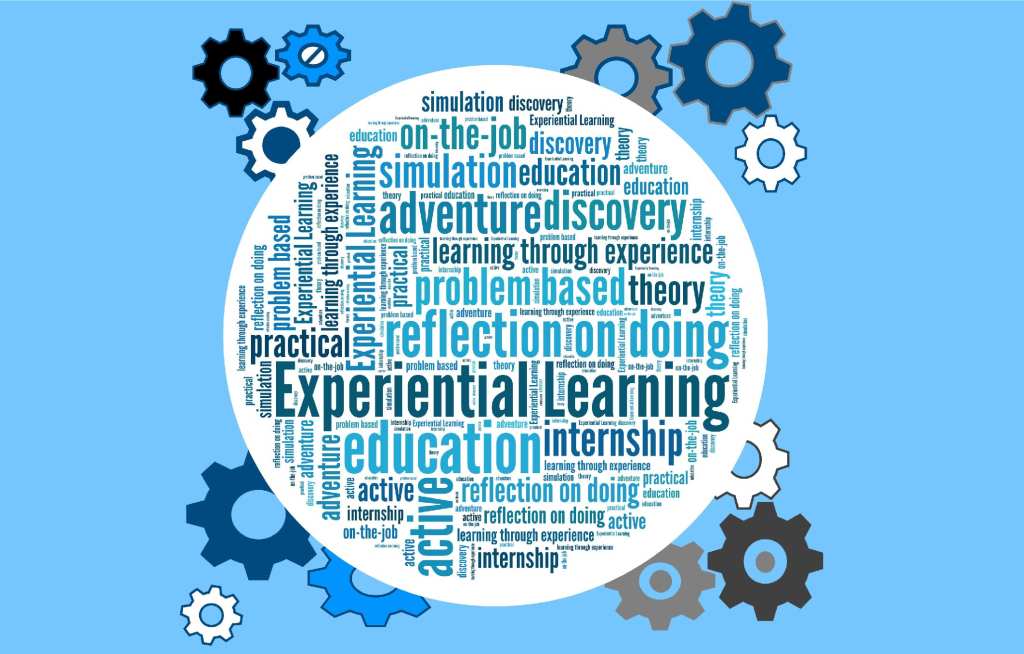
Experiential Learning: Embracing the Unconventional Path In a world that values conventional education, alternative approaches to learning are often overlooked. However, there is a rising trend known as experiential learning that challenges traditional methods and encourages students to embrace a more hands-on approach to education. Experiential learning focuses on providing immersive experiences that allow students…
-
Unlocking Education Beyond the Classroom: Exploring the World of Worldschooling
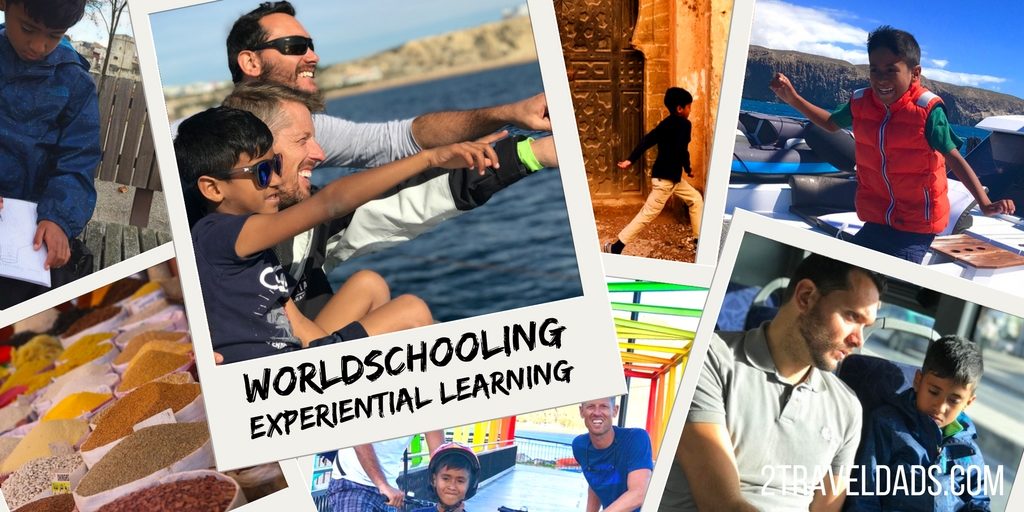
Have you ever wondered if there is a different way to educate your child, one that goes beyond the traditional classroom setting? Look no further than worldschooling. Worldschooling is an alternative approach to education that focuses on experiential learning and global experiences. In this article, we will explore the concept of worldschooling and compare it…
-
Debunking Common Myths About Language Immersion Programs

Language immersion programs have gained popularity in recent years as an alternative approach to language learning. However, there are several common myths surrounding these programs that need debunking. In this article, we will address and dispel these misconceptions, providing a more accurate understanding of what language immersion truly entails. Myth 1: Only young children can…
-
Revolutionizing Higher Education: The Rise of Alternative Colleges

In recent years, the landscape of higher education has undergone significant changes. Traditional colleges and universities are no longer the only options for students seeking post-secondary education. As alternative approaches gain popularity, a new wave of innovative institutions has emerged, offering unique educational experiences that cater to the needs and interests of diverse learners. In…
-
“Travel Beyond the Classroom: Unlocking Education’s Boundless Potential”
Travel-based education is an alternative approach to schooling that offers a unique and enriching experience for students. Instead of confining learning within the walls of a traditional classroom, travel-based education takes students out into the world, allowing them to explore different cultures, languages, histories, and environments. One of the key benefits of travel-based education is…
-
Exploring America’s Past: Historical Sites Offer Powerful Learning Opportunities for Students

As we explore alternative schooling and education, it’s important to recognize the significance of historical sites. These locations offer a wealth of knowledge about our past and can serve as powerful learning tools for children. One such site is the Smithsonian National Museum of American History in Washington D.C. This museum allows students to engage…
-
Explore the World from Your Classroom with Virtual Field Trips

Virtual Field Trips: Exploring the World from Your Classroom Field trips have always been an exciting way to break free from the routine of a traditional classroom setting. They offer students hands-on experiences, allowing them to explore and learn about new places, people, cultures, and ideas. However, as schools shift towards alternative modes of education…
 Alternative Amie