Tag: high school students
-
Navigating the Costs of Dual Enrollment: Financial Aid Options for High School Students

Dual enrollment programs offer high school students the opportunity to take college-level courses while still completing their high school education. One of the major concerns for families considering dual enrollment is the cost associated with these programs. However, there are various factors to consider when evaluating the cost of dual enrollment and exploring financial aid…
-
Unlocking Success: The Rise of College Readiness Programs
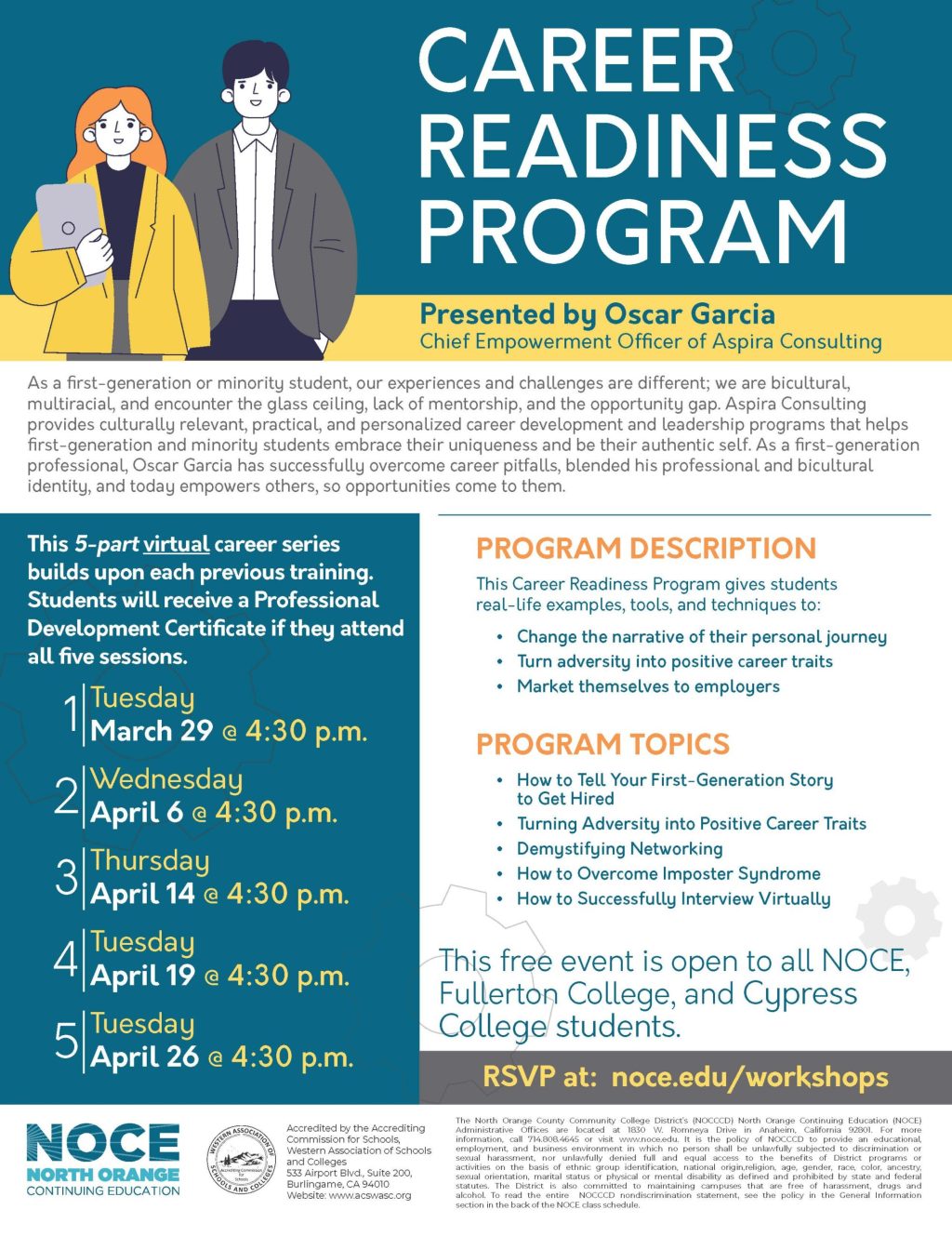
College readiness programs have become increasingly popular in recent years as more and more students seek to better prepare themselves for the challenges of higher education. These programs are designed to help students develop the academic skills, study habits, and personal qualities needed to succeed in college. Whether you’re a high school student looking to…
-
“Unlocking Success: 10 Essential Tips for Choosing Dual Enrollment Courses”

Dual enrollment is a fantastic opportunity for high school students to get a head start on their college education. By taking courses at a college or university while still in high school, students can earn both high school and college credits simultaneously. This not only allows them to save time and money but also provides…
-
Expanding Opportunities for Dual Enrollment: Rural Community College Campuses

Rural Community College Campuses: Expanding Opportunities for Dual Enrollment In recent years, there has been a growing trend of high school students enrolling in college courses while still completing their secondary education. This practice, known as dual enrollment, offers numerous benefits to students, including the opportunity to earn college credits and gain valuable academic experience.…
-
“Unlocking Higher Education: Dual Enrollment Opens Doors for High School Students”

Access to Higher Education through Dual Enrollment Opportunities Introduction: In recent years, the concept of dual enrollment has gained significant traction in the field of education. Dual enrollment refers to a program that allows high school students to enroll in college courses and earn both high school and college credit simultaneously. This innovative approach to…
-
Unlocking Success: Dual Enrollment Paves the Way to Academic Rigor

Dual Enrollment and Academic Rigor: Unlocking the Path to Success In the realm of alternative schooling and education, dual enrollment has emerged as a powerful tool for students seeking academic rigor. It offers an opportunity for high school students to simultaneously earn college credits while completing their secondary education. This innovative approach not only enhances…
-
Maximizing the Benefits of Dual Enrollment: The Crucial Role of Academic Advising

The Role of Academic Advising in Maximizing the Benefits of Dual Enrollment Dual enrollment programs have gained popularity over the years as a way for high school students to earn college credits while still in high school. These programs provide an opportunity for students to get a head start on their college education, save money…
-
“Unlocking College Credit: Navigating Costs and Financial Aid for Dual Enrollment”

Costs and Financial Aid Options for Dual Enrollment Introduction: Dual enrollment programs have become increasingly popular among high school students seeking to get a head start on their college education. These programs allow students to enroll in college courses while still in high school, earning both high school and college credit simultaneously. However, one major…
-
Breaking Barriers: Overcoming Challenges for Low-Income Students in Dual Enrollment Programs
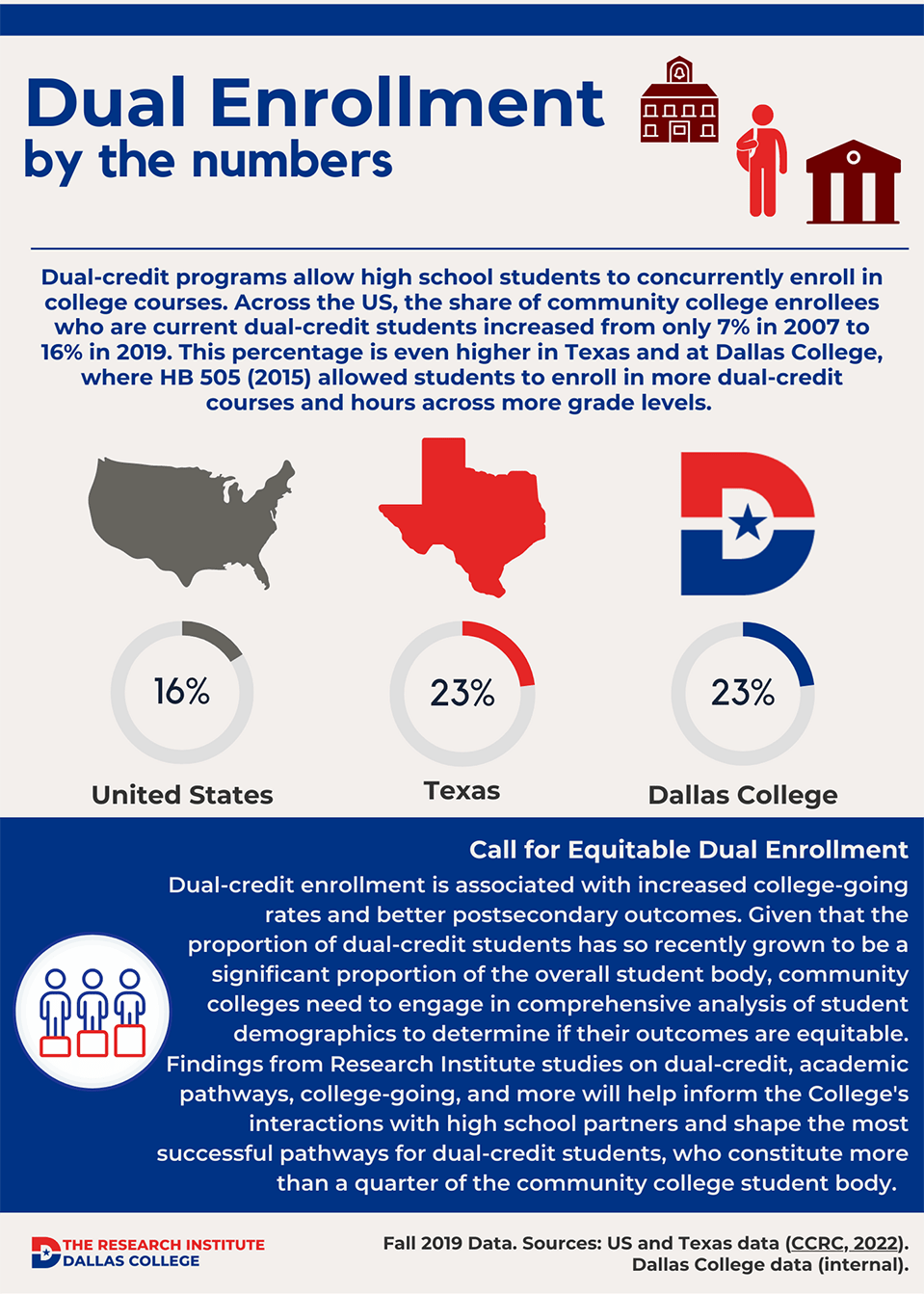
Dual enrollment programs offer a valuable opportunity for high school students to earn college credits while still in high school. These programs not only provide advanced coursework but also expose students to the rigors of higher education, helping them develop essential skills and saving both time and money when they eventually enter college. However, low-income…
-
“Double the Credit, Double the Opportunities: The Rise of Dual Enrollment Programs for High School Students”

Dual enrollment programs have gained popularity in recent years as a way for high school students to get a head start on their college education. These programs allow students to take college-level courses while still enrolled in high school, earning both high school and college credit simultaneously. While dual enrollment programs were initially designed for…
 Alternative Amie