Tag: hands-on education
-
Unlocking Potential: The Montessori Method Revolutionizes Education

The Montessori method is a unique educational approach that emphasizes independence, freedom within limits, and a hands-on learning experience for children. Developed by Dr. Maria Montessori in the early 20th century, this approach has gained popularity worldwide for its focus on allowing children to learn at their own pace and according to their individual interests.…
-
Unschooling: Diverse Educational Paths for Children Worldwide
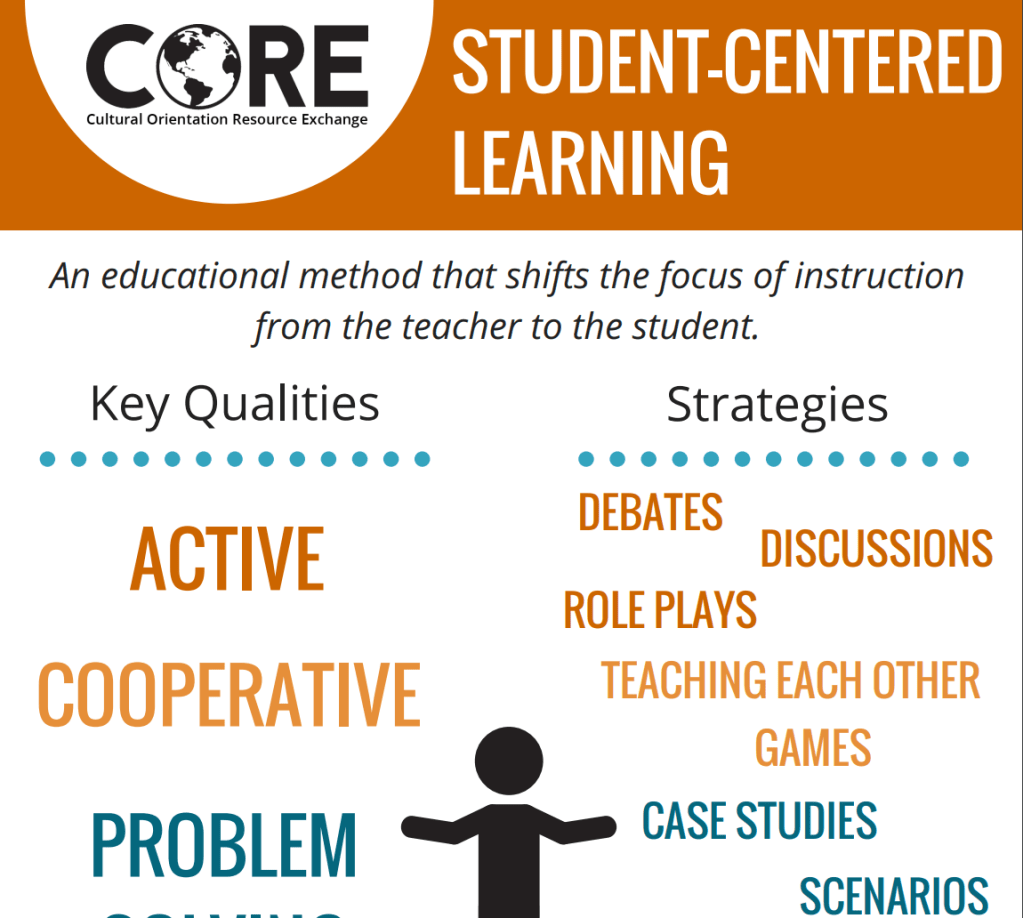
Unschooling is a form of education that allows children to direct their learning based on their interests and passions, rather than following a traditional school curriculum. This approach can take many forms depending on the environment in which it occurs, leading to unique experiences and opportunities for unschooled individuals across different locations worldwide. In urban…
-
Experiential Learning: Igniting Minds through Hands-On Education

Experiential Learning: Nurturing Minds through Hands-On Education In the realm of education, traditional classroom settings have long dominated the landscape. However, in recent years, there has been a growing recognition of the limitations of this approach and an increasing interest in alternative methods that foster more engaging and meaningful learning experiences. One such method is…
-
Unleashing the Power of Experiential Learning: Hands-On Education for the Future

Experiential Learning Experiences: Unleashing the Power of Hands-On Education Education is not just about memorizing facts and figures; it’s about preparing students for life beyond the classroom. Traditional education methods often rely solely on textbooks and lectures, leaving little room for practical application and real-world experiences. However, there is a growing movement towards alternative schooling…
-
Unlocking the Power of Hands-On Education: Experiential Learning
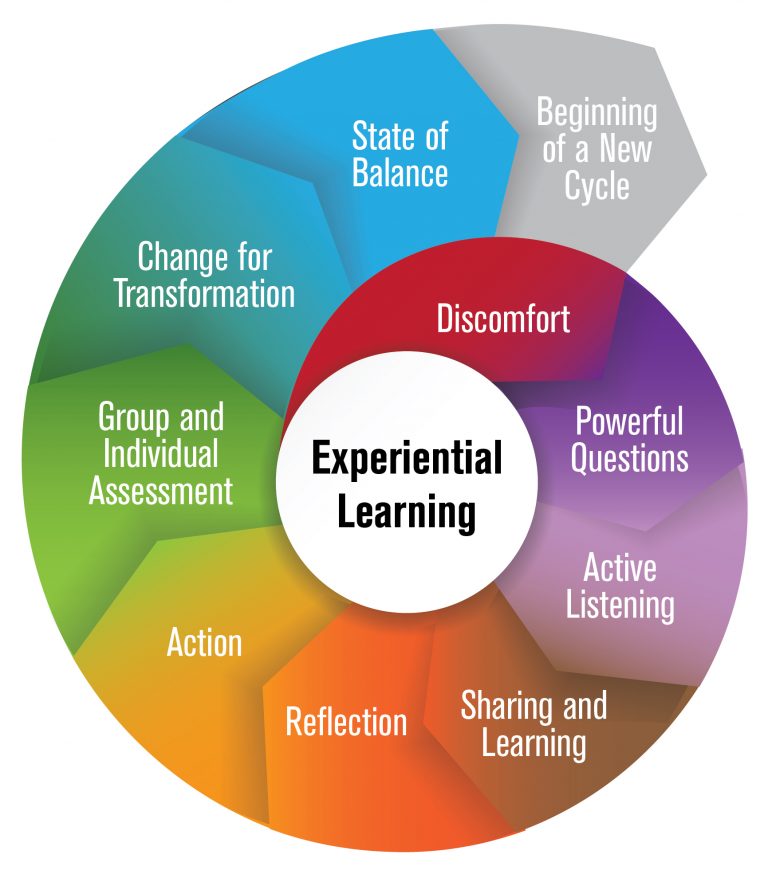
Experiential Learning: Unlocking the Power of Hands-On Education In today’s rapidly changing world, traditional classroom education may not always be enough to prepare students for the challenges they will face in their future endeavors. As a result, more and more educators are turning to alternative methods of teaching, such as experiential learning. Experiential learning is…
-
Woodworking: Empowering Alternative Learners Through Hands-On Education

Woodworking: A Hands-On Education for Alternative Learners In the world of alternative schooling and education, there is a growing recognition of the importance of hands-on learning experiences. One such experience that has gained popularity among students is woodworking. Woodworking offers a unique blend of creativity, problem-solving, and practical skills development that can greatly benefit alternative…
-
“Experiential Learning: Empowering Education Through Hands-On Experiences”
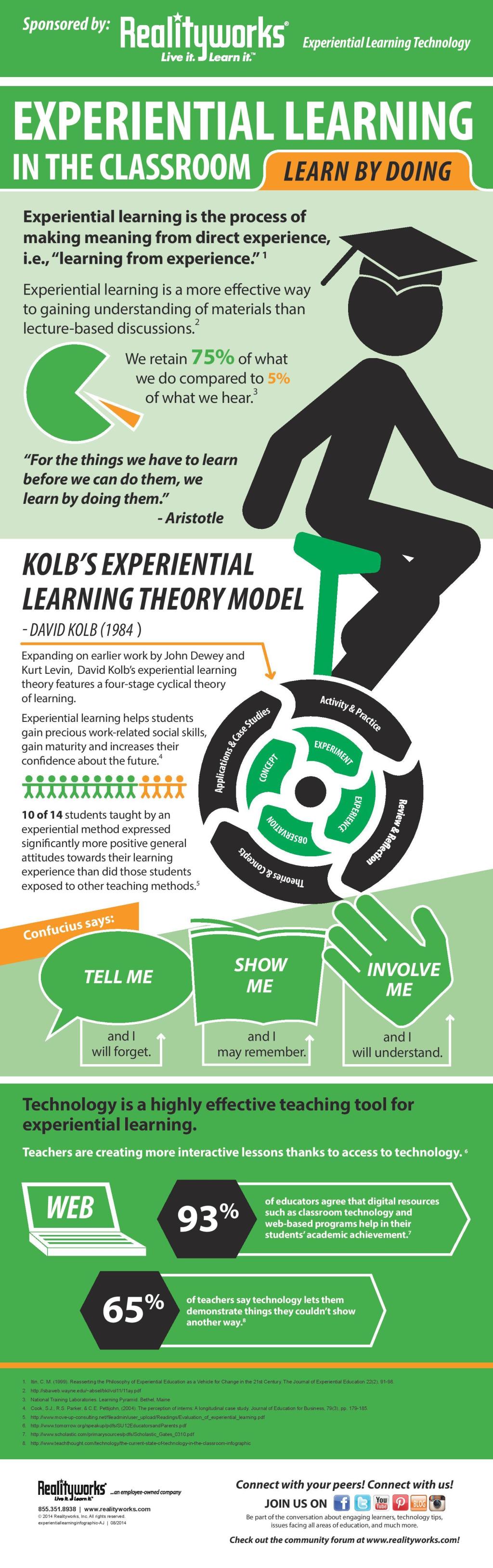
Experiential Learning: A Hands-On Approach to Education In recent years, there has been a growing recognition of the limitations of traditional classroom-based education. As students become increasingly disengaged and disconnected from their learning experiences, educators and parents are seeking alternative methods that foster deep understanding and real-world application of knowledge. One such approach gaining popularity…
-
“Learning by Doing: The Power of Experiential Education”

Experiential Learning: A Hands-On Approach to Education Traditional education has long relied on textbooks, lectures, and exams as the primary means of learning. However, many educators and parents are recognizing the limitations of this approach and are turning to experiential learning as an alternative way of educating children. Experiential learning is a teaching method that…
-
Elon Musk: Pioneering Innovator and Advocate for Alternative Schooling

Elon Musk: Pioneering Innovator and Alternative Schooling Advocate Introduction: Elon Musk, the South African-born entrepreneur, is widely recognized as one of the most influential figures in modern technology and transportation. As the CEO of SpaceX and Tesla Inc., Musk has revolutionized industries with his visionary ideas and relentless pursuit of innovation. Beyond his business ventures,…
-
“Hands-On Education: Unleashing the Power of Experiential Learning”

Experiential Learning: A Guide to Hands-On Education Introduction: In the traditional education system, students often passively receive information from textbooks and lectures. However, there is a growing recognition that this approach may not effectively engage learners or adequately prepare them for real-world challenges. As a result, many educators and parents are turning to alternative forms…
 Alternative Amie