Tag: hands-on education
-
Empowering Education: The Power of Experiential Learning

Experiential learning is a powerful educational approach that emphasizes hands-on, real-world experiences as a primary means of learning. Unlike traditional classroom-based education, which often relies heavily on lectures and textbooks, experiential learning encourages students to actively engage with the material through direct experience. This method allows learners to make connections between theory and practice, leading…
-
Engaging Students Through Outdoor, Artistic, and STEM Projects: A Path to Learning and Discovery

Outdoor project-based learning is a fantastic way to engage students in hands-on, experiential education while fostering a deep connection with nature. By taking the classroom outside, students can explore scientific concepts, conduct experiments, and learn about ecosystems firsthand. Whether it’s studying plant growth in a school garden or analyzing water quality in a nearby stream,…
-
Empowering Education: The Impact of Experiential Learning

Experiential learning is a powerful educational approach that emphasizes hands-on, real-world experiences as a primary method of teaching and learning. Instead of traditional classroom lectures and rote memorization, experiential learning encourages students to actively engage with the material through activities, experiments, projects, and reflection. This method allows learners to apply their knowledge in practical situations,…
-
Unlocking Potential: The Power of Experiential Learning in Alternative Schools

Experiential learning is a hands-on, immersive approach to education that emphasizes real-world experiences as a central part of the learning process. It allows students to engage with their studies in a more practical and meaningful way, often leading to deeper understanding and retention of knowledge. Alternative schools have long recognized the value of experiential learning…
-
Unlocking Creativity and Critical Thinking: The Power of Project-Based Learning
Project-based learning (PBL) is an innovative approach to education that emphasizes hands-on, real-world experiences to help students develop critical thinking, problem-solving skills, and creativity. Unlike traditional classroom learning where students passively receive information from teachers, PBL engages students in active exploration of topics through projects that are relevant and meaningful to them. In a project-based…
-
Exploring Education: Canyon-Based Learning Communities Blend Academics with Nature

Canyon-based learning communities offer a unique and immersive educational experience that combines traditional schooling with the wonders of nature. These alternative schools provide students with an opportunity to learn in outdoor settings such as canyons, forests, and rivers, fostering a deep connection to the environment while also gaining academic knowledge. One of the key benefits…
-
10 Reasons Why Local Community-Based Learning Benefits Students

Local community-based learning is a valuable educational approach that allows students to actively engage with their surroundings and connect their academic studies to real-life experiences. This hands-on method of learning empowers students to develop critical thinking skills, problem-solving abilities, and a deeper understanding of the world around them. Here are 10 reasons why local community-based…
-
Unlocking Success: The Power of Experiential Learning

Experiential learning is a unique educational approach that emphasizes hands-on, real-world experiences as a primary method of learning. Unlike traditional classroom-based education, experiential learning focuses on practical application and reflection to develop skills and knowledge. This innovative approach has gained popularity in recent years for its effectiveness in engaging students, fostering critical thinking, and preparing…
-
“Unlocking Potential: The Power of Experiential Learning in Education”
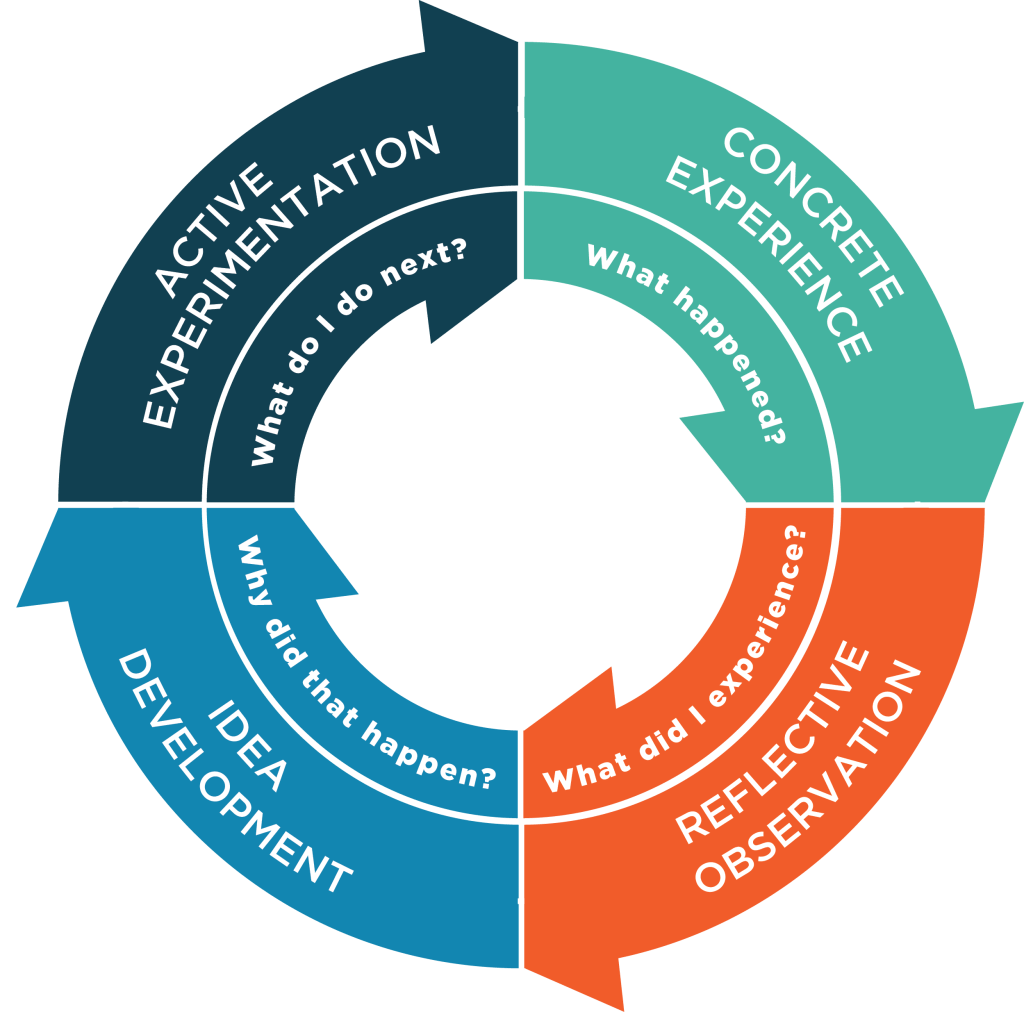
Experiential learning is a powerful educational approach that emphasizes hands-on, real-world experiences as a way to learn and grow. In contrast to traditional classroom-based learning, experiential learning encourages students to actively engage with the material through direct experience, reflection, and application. This dynamic approach not only enhances academic understanding but also fosters important life skills…
-
The Power of Experiential Learning: A Hands-On Approach to Education
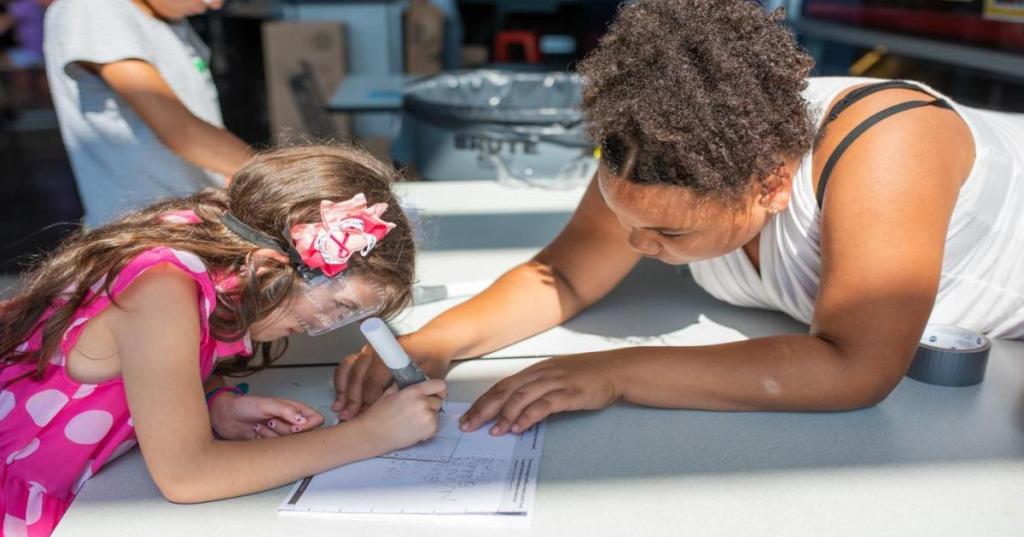
Experiential learning is a method of education that emphasizes hands-on, real-world experiences as a central part of the learning process. Dating back to ancient times, experiential learning has been used by philosophers, educators, and leaders to help individuals gain practical knowledge and skills through direct engagement with the world around them. One of the earliest…
 Alternative Amie