Tag: giftedness
-
Unveiling the Hidden Talents: Alternative Assessments for Identifying Gifted Students
Identifying giftedness in students is crucial to ensure that they receive the appropriate educational support and opportunities to reach their full potential. While traditional assessments such as standardized tests have been commonly used for this purpose, there is a growing recognition of the limitations of these assessments in capturing the diverse talents and strengths of…
-
“Embracing Neurodiversity: Nurturing Gifted Minds in Education”

Neurodiversity is a concept that recognizes and celebrates the diversity of human brains and minds. It acknowledges that people have different neurological wiring, which can manifest in various ways such as autism, ADHD, dyslexia, and other neurodevelopmental differences. Giftedness is also a part of this diverse spectrum, where individuals demonstrate exceptional abilities or potential in…
-
Embracing Neurodiversity: Nurturing Giftedness in Alternative Education

Giftedness and Neurodiversity: Embracing Differences in Alternative Education In the realm of alternative schooling and education, there is an increasing recognition that every student is unique, with their own set of strengths and challenges. This acknowledgment has led to a shift towards embracing neurodiversity—the idea that neurological differences, including giftedness, should be recognized and celebrated…
-
Unlocking Potential: Strategies for Supporting Neurodiverse Learners in the Classroom

Sensory processing differences can greatly impact a student’s ability to learn and thrive in a classroom setting. Understanding how these differences affect students and implementing strategies to support them is crucial for educators. Some students with sensory processing differences may be hypersensitive, meaning they are easily overwhelmed by sensory input, while others may be hyposensitive…
-
Unlocking the Brilliance: Nurturing Gifted Students for Success

Giftedness: Nurturing the Potential of Exceptional Students As educators and parents, it is our responsibility to create an environment that supports the unique needs and abilities of every child. In traditional school settings, however, these individual differences are not always adequately addressed. This is why alternative schooling and education have gained popularity in recent years,…
-
Unlocking Potential: Nurturing Giftedness in Education

Identification and Assessment of Giftedness: Nurturing Exceptional Talents in Education Introduction: In the realm of education, it is crucial to recognize and support the unique needs of gifted students. These individuals possess exceptional abilities that require specialized attention to ensure their full potential is realized. Identification and assessment processes play a vital role in recognizing…
-
Unlocking the Potential: A Comprehensive Guide to Giftedness and Twice-Exceptional Learners

Giftedness and Twice-Exceptional Learners: A Comprehensive Guide Introduction: In the field of education, there is a diverse range of learners with unique strengths and challenges. Gifted students are often characterized by their exceptional abilities in one or more domains, while twice-exceptional (2e) learners demonstrate both giftedness and a learning difference or disability. Understanding the characteristics,…
-
Unlocking the Potential: Creating Inclusive Learning Environments for Neurodiverse Learners

Sensory processing differences refer to the way in which individuals process and respond to sensory information from their environment. For some neurodivergent learners, such as those with autism spectrum disorders or ADHD, sensory processing differences can have a significant impact on their ability to focus and learn effectively. Understanding these differences and implementing strategies to…
-
Twice-Exceptional Learners: Unleashing the Superheroes of Education

Twice-Exceptional Learners: The Superheroes of Education In the realm of education, there exists a group of extraordinary individuals known as twice-exceptional learners. These students possess exceptional cognitive abilities coupled with learning disabilities or challenges. They are like the superheroes of education, navigating their way through the educational system with unique powers and unseen obstacles. Picture…
-
Embracing Neurodiversity: Unleashing Creative Brilliance in the Arts
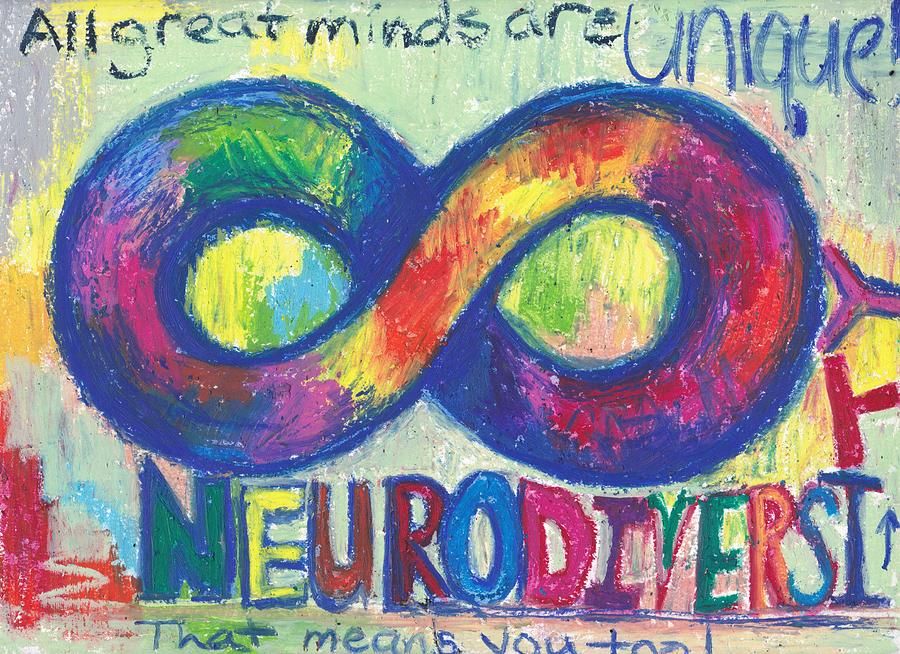
Neurodiversity in the Arts: Celebrating Differences and Creativity Introduction: The neurodiversity movement has gained significant attention in recent years, promoting the idea that neurological differences should be recognized and respected as a natural part of human diversity. This movement encompasses a wide range of conditions such as autism, ADHD, dyslexia, and more. In this article,…
 Alternative Amie