Tag: flexible seating arrangements
-
Creating the Ultimate Brain-Friendly Classroom: Design Tips for Optimal Learning

Designing a brain-friendly classroom is essential for creating an environment that fosters optimal learning and student engagement. By incorporating elements that support cognitive function, emotional well-being, and physical comfort, educators can enhance the overall learning experience for their students. One of the key aspects of brain-friendly classroom design is lighting. Natural light has been shown…
-
“Empowering Students Through Personalized Education: A Comprehensive Approach to Success”

Individualized project-based learning is a powerful educational approach that places students at the center of their own learning journey. By engaging in projects that are tailored to their interests, abilities, and learning styles, students can develop critical thinking skills, creativity, and problem-solving abilities. This method allows for a more personalized and meaningful learning experience that…
-
Tropical Multiage Classrooms: Fostering Collaboration and Personalized Learning for All
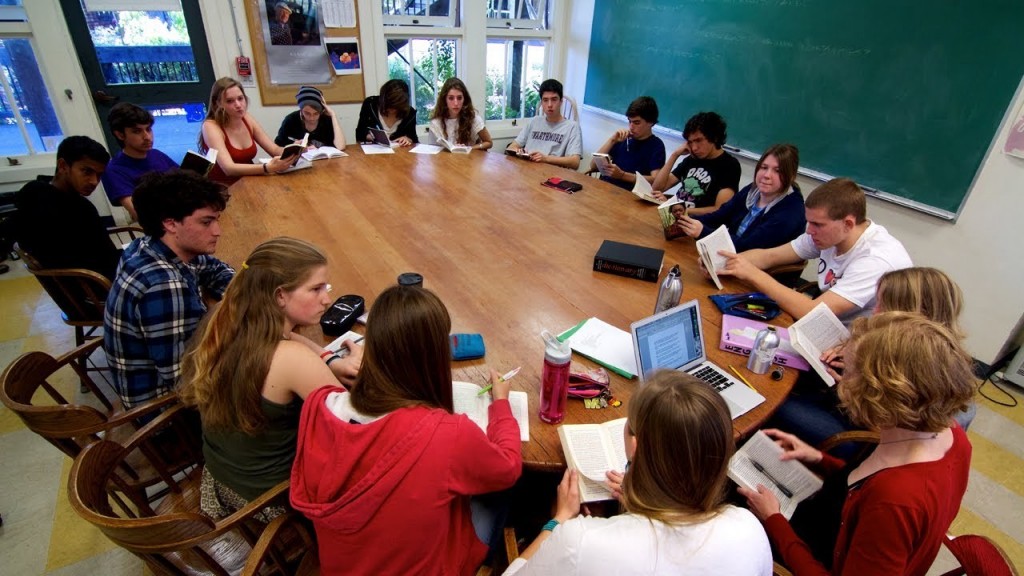
Tropical multiage classrooms are a unique and innovative educational approach that foster collaboration, personalized learning, and community building among students of different ages. In these classrooms, children from various grade levels are grouped together to learn and grow in a supportive environment that promotes creativity, independence, and social skills development. One of the key benefits…
-
“Revolutionizing Learning: The Power of Flexible Seating in Alternative Classrooms”

Benefits of Standing Desks in Alternative Classrooms 1. Improved Focus and Concentration: One of the key benefits of using standing desks in alternative classrooms is their ability to improve focus and concentration among students. When students stand, they are more likely to stay engaged with the lesson and avoid distractions. Standing also helps increase blood…
-
“Movement Matters: Transforming Classrooms into Engaged Learning Zones”
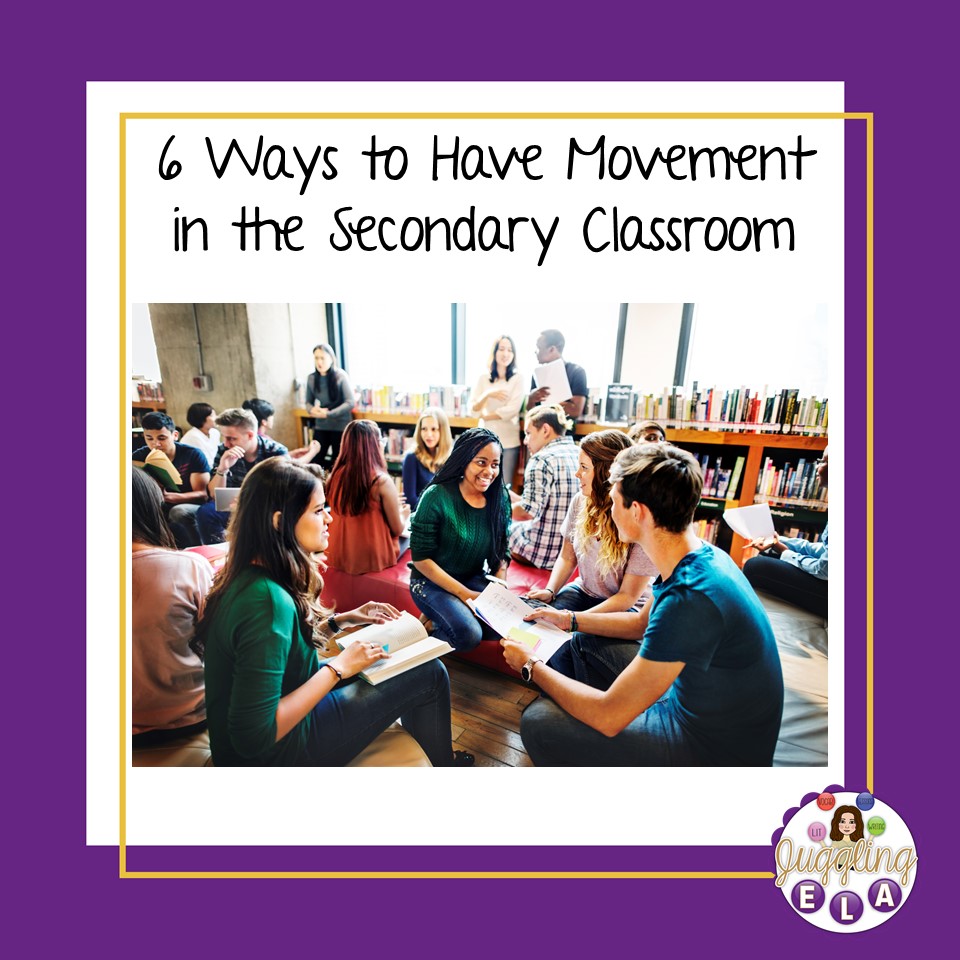
Incorporating Movement in the Classroom: A Pathway to Engaged and Active Learning Introduction: Education is constantly evolving, with educators seeking innovative ways to engage students and enhance their learning experience. One such approach gaining recognition is incorporating movement into the classroom setting. Gone are the days of stationary desks and rigid seating arrangements; instead, educators…
-
Creating an Inclusive and Supportive Classroom: Unlocking the Potential of Every Student
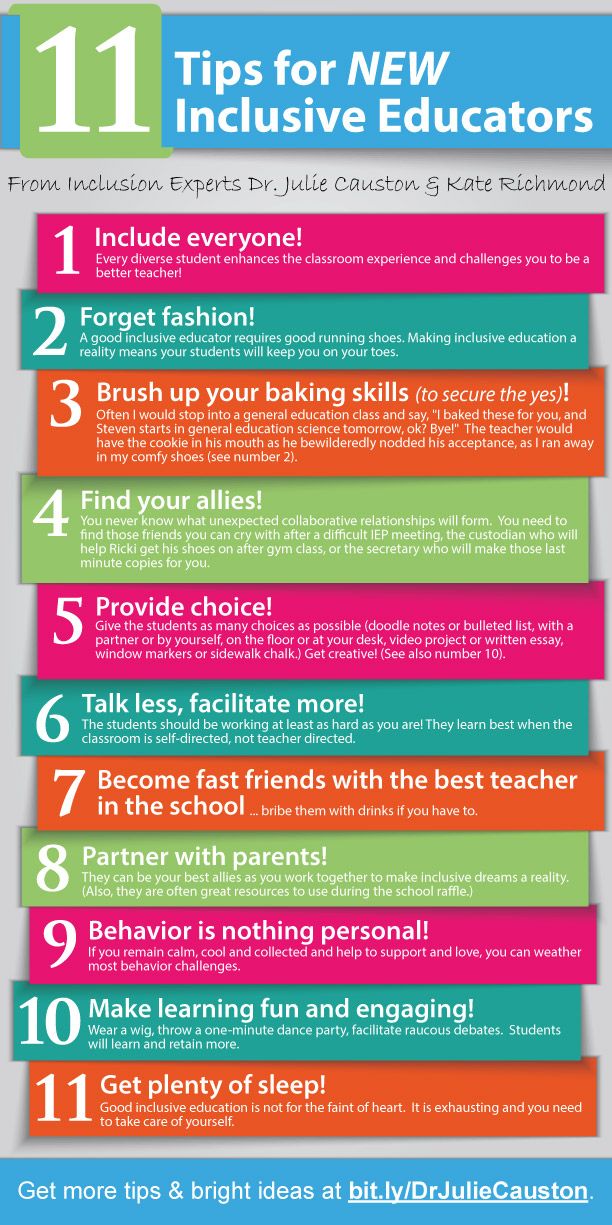
Classroom Modifications: Creating an Inclusive and Supportive Learning Environment Introduction: In today’s diverse educational landscape, classrooms are filled with students from various backgrounds, abilities, and learning styles. To ensure that all students have equal opportunities to learn and thrive, it is essential to create inclusive and supportive learning environments. Classroom modifications play a significant role…
-
Unlocking the Power of Sensory Processing: Supporting Children’s Unique Needs

Sensory Processing Differences: Understanding and Supporting Children’s Unique Needs Introduction: In the world of education, it is crucial to recognize that each child possesses unique strengths and challenges. One aspect that significantly impacts a child’s ability to learn and thrive in educational settings is sensory processing differences. Sensory processing refers to how our brains receive,…
-
“Building Strong Bonds: Fostering Relationships in Multiage Classrooms”

Building relationships among students of different ages in a multiage classroom Introduction In traditional classrooms, students are typically grouped together based on their chronological age. However, an alternative approach known as multiage classrooms has gained popularity in recent years. In these classrooms, students of different ages learn together, fostering a sense of community and collaboration.…
-
Empowering Students to Take Ownership of their Learning: The Benefits of Student Voice and Choice
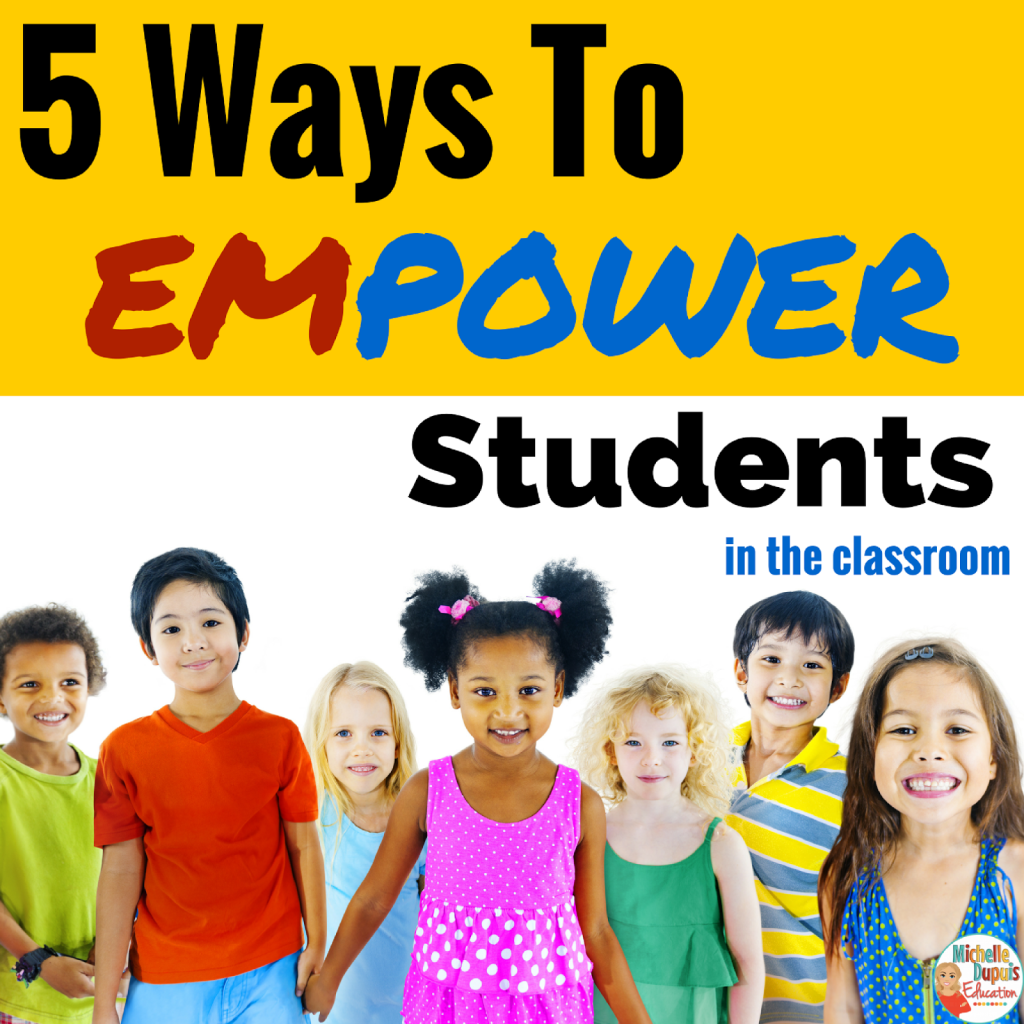
Student Voice and Choice: Empowering Students to Take Ownership of their Learning As educators, we often talk about the importance of student engagement, but what does that actually look like in practice? One approach that has gained popularity in recent years is giving students more voice and choice in their learning. This means allowing them…
 Alternative Amie