Tag: flexibility in education
-
Synchronous vs. Asynchronous Learning: Pros and Cons Explained

In the world of education, there are many different ways to learn. One of the main distinctions is between synchronous and asynchronous learning. Both have their pros and cons and can be effective in different contexts. Synchronous learning refers to live, real-time interactions between teachers and students. This can take place in a physical classroom…
-
Homeschooling for Special Needs Students: Experts Weigh In on Benefits and Challenges

Panel Discussion: Homeschooling for Special Needs Students Homeschooling is becoming an increasingly popular option for parents, especially those with children who have special needs. It provides a more flexible and personalized educational experience that can cater to the unique needs of each child. In this panel discussion, we will explore the topic of homeschooling for…
-
Is the Reggio Emilia Approach the Future of Education?
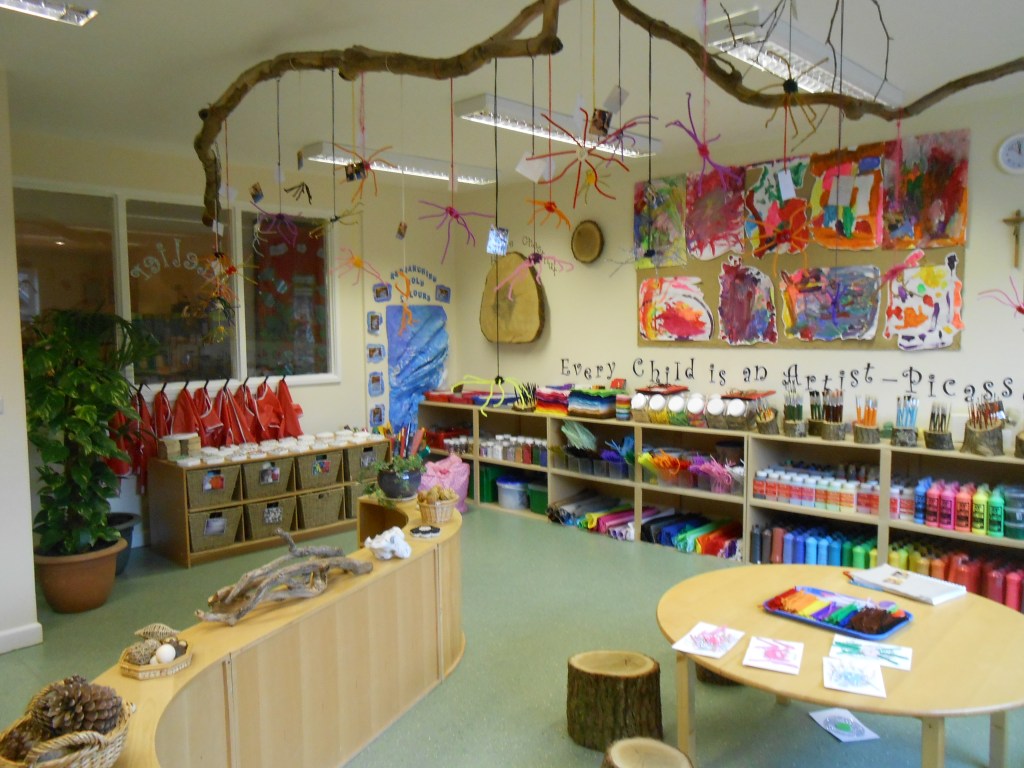
In the world of alternative schooling, one approach that has gained a lot of attention in recent years is the Reggio Emilia approach. Developed in the small Italian town of Reggio Emilia after World War II, this educational philosophy emphasizes child-led learning, collaboration between teachers and students, and a strong emphasis on art and creativity.…
-
Community-Based Microschools: A New Approach to Alternative Education

Community-Based Microschools: A New Approach to Alternative Education Education is a critical component of personal growth and development. However, traditional schools may not always be the best fit for every child. The good news is that alternative education options are available, and one such option gaining popularity in recent years is community-based microschools. What are…
-
Unleashing the Power of Unschooling for Special Needs Children: A DIY Guide

Unschooling for Special Needs Children: A DIY Guide Unschooling is a form of alternative education that emphasizes self-directed learning. For special needs children, unschooling can be an effective and empowering approach to education. Here are some tips for parents who want to explore unschooling for their special needs child. 1. Identify Your Child’s Learning Style…
-
Synchronous vs Asynchronous Learning: Which One Is Right for You?

Synchronous and asynchronous learning are two different approaches to education that have become increasingly popular in recent years. Synchronous learning refers to real-time instruction, where students and teachers interact at the same time through video conferencing, live chat, or instant messaging. Asynchronous learning, on the other hand, is a self-paced approach to education where students…
-
Unleashing Creativity and Independence: The Rise of Unschooling Globally
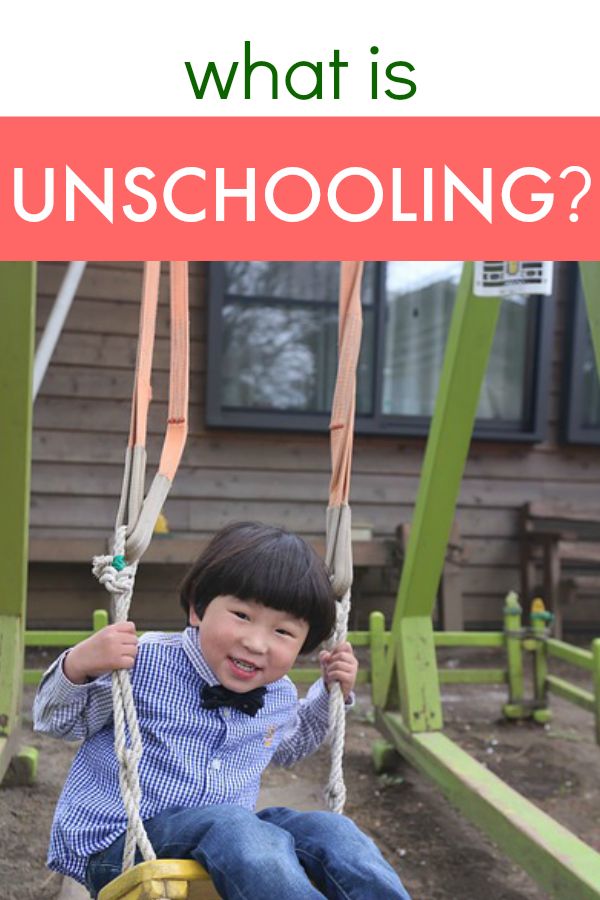
Unschooling is a unique approach to education that has become more popular over the years. The concept involves allowing children to learn through real-life experiences and interests, rather than traditional curriculum-based learning. This type of schooling has been adopted in various countries and cultures, each with their own unique take on it. In the United…
-
Unlocking the Power of Interest-Led Learning: Letting Kids Take Control of Their Education

As a parent or educator, you may have heard the term “interest-led learning” thrown around in educational circles. But what exactly is it? Interest-led learning, also known as child-led learning, is an approach to education that focuses on allowing children to explore their interests and passions through self-directed activities and experiences. In interest-led learning, the…
-
Revolutionizing Education: The Rise of Eclectic Homeschooling

Eclectic Homeschooling: A Customized Approach to Education As education continues to evolve, so do the methods of teaching and learning. Homeschooling has been around for decades, but it’s becoming increasingly popular as families seek out alternatives to traditional schooling. One approach that is gaining traction is eclectic homeschooling, which offers a customized approach to education.…
-
The Benefits and Drawbacks of Online Learning in Today’s Technological Landscape
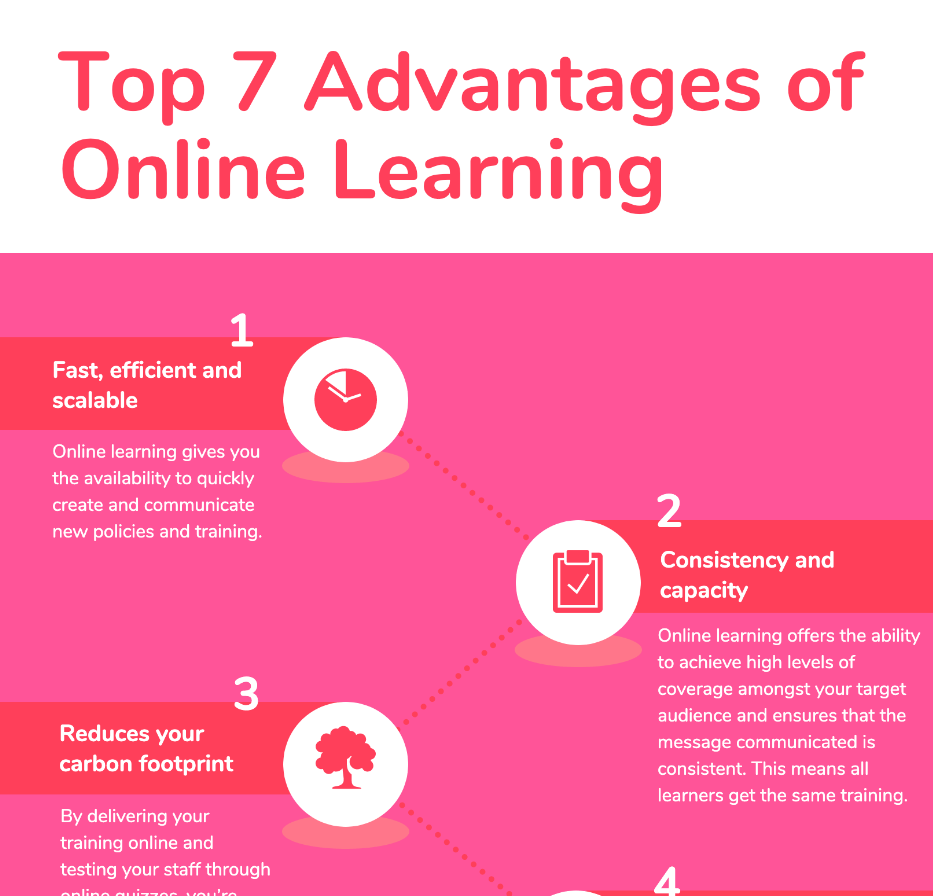
As technology continues to advance and change the way we live, work, and learn, online education has become more prevalent than ever before. Online learning is a great alternative for those who cannot attend traditional brick-and-mortar schools or for those who prefer to learn at their own pace. In this article, we will explore what…
 Alternative Amie