Tag: feedback in education
-
Unlocking Academic Success: The Rise of Mastery-Based Grading in Education

As educators and schools continue to explore new ways of assessing student learning, mastery-based grading has emerged as a promising approach that prioritizes students’ understanding and proficiency over traditional letter grades. Mastery-based grading is a system in which students are assessed on their mastery of specific skills or knowledge rather than simply receiving an overall…
-
Unlocking Student Potential: The Power of Portfolio Assessment in Alternative Education

Portfolio assessment is a valuable tool that allows educators to evaluate students’ progress and achievements in a holistic manner. Unlike traditional forms of assessment such as standardized tests or exams, portfolio assessment focuses on showcasing a student’s growth over time through the collection of samples of their work. In alternative schooling and education settings, where…
-
Redefining Grading: The Rise of Standards-Based Assessment in Alternative Education

Standards-based grading is a modern approach to assessing student learning that focuses on what students know and are able to do in relation to specific learning standards. This model is gaining popularity in education circles as a more effective way of measuring student progress and proficiency compared to traditional grading systems. In this post, we…
-
Empowering Educators: Enhancing Student Learning Through Data-Driven Grading

Data-driven decision making in grading is a powerful tool that educators can utilize to enhance student learning outcomes and ensure fair and accurate assessments. By using data to inform their grading practices, teachers can identify areas of improvement, track student progress, and provide targeted support to help students succeed. One key benefit of data-driven decision…
-
“Level Up Education: Gamification Revolutionizes Learning with Fun and Engagement”

Gamification in Education: Enhancing Learning through Fun and Engagement In recent years, the integration of gamification in education has been gaining popularity among educators worldwide. Gamification refers to the use of game design elements and mechanics in non-game contexts, such as education. By incorporating game-like features into learning activities, gamification aims to enhance student engagement,…
-
8 Ways to Make Learning Fun with Gamification in Education
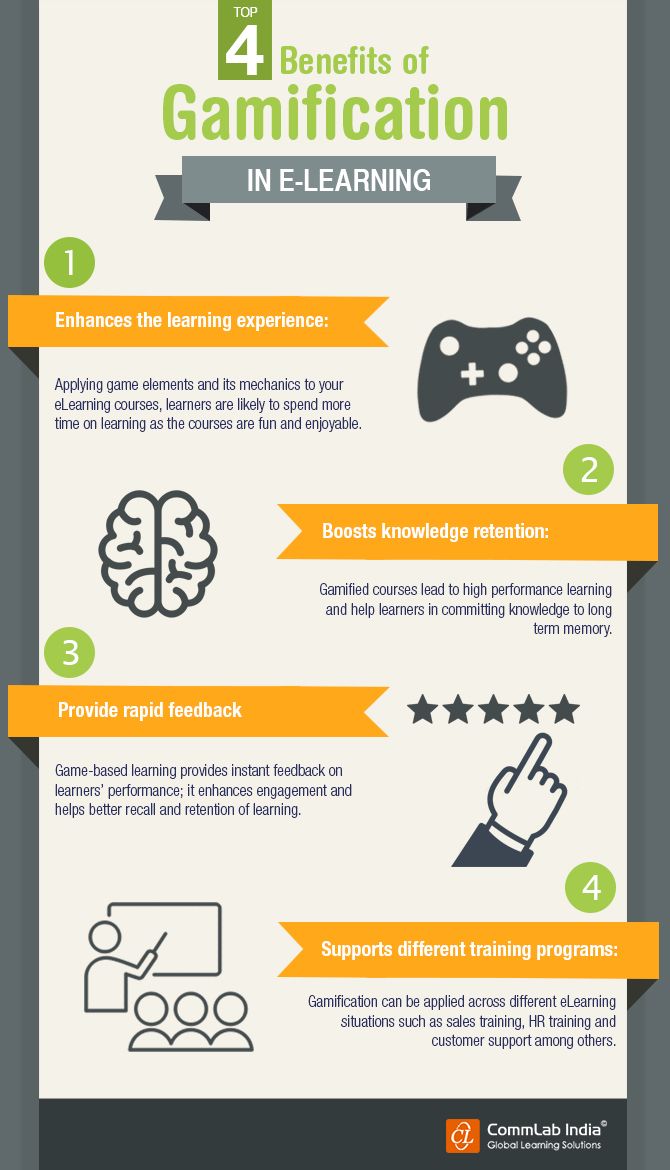
Gamification in Education: 8 Ways to Make Learning Fun Education doesn’t have to be boring. Gamification, the practice of using game design principles in non-game contexts, has been gaining popularity as a way to make learning more engaging and enjoyable. Here are eight ways gamification can be used in education: 1. Introducing competition – One…
-
8 Strategies for Successful Group Work in Alternative Education

Group work is an essential part of alternative schooling and education. It allows students to collaborate with their peers, learn from each other’s strengths, and develop skills that will be useful throughout their lives. However, group work can also be challenging for both students and teachers if not approached correctly. In this post, we will…
-
Synchronous vs Asynchronous Learning: Which One Works Best for You?

Synchronous and asynchronous learning are two terms that have become very popular in the world of education, especially during the ongoing COVID-19 pandemic. With schools and universities shut down across the world, educators have had to find new ways to connect with their students and deliver instruction. Synchronous learning refers to real-time learning, where students…
 Alternative Amie