Tag: expression
-
Empowering Young Minds: How Reggio-Inspired Schools Foster Literacy and Language Development
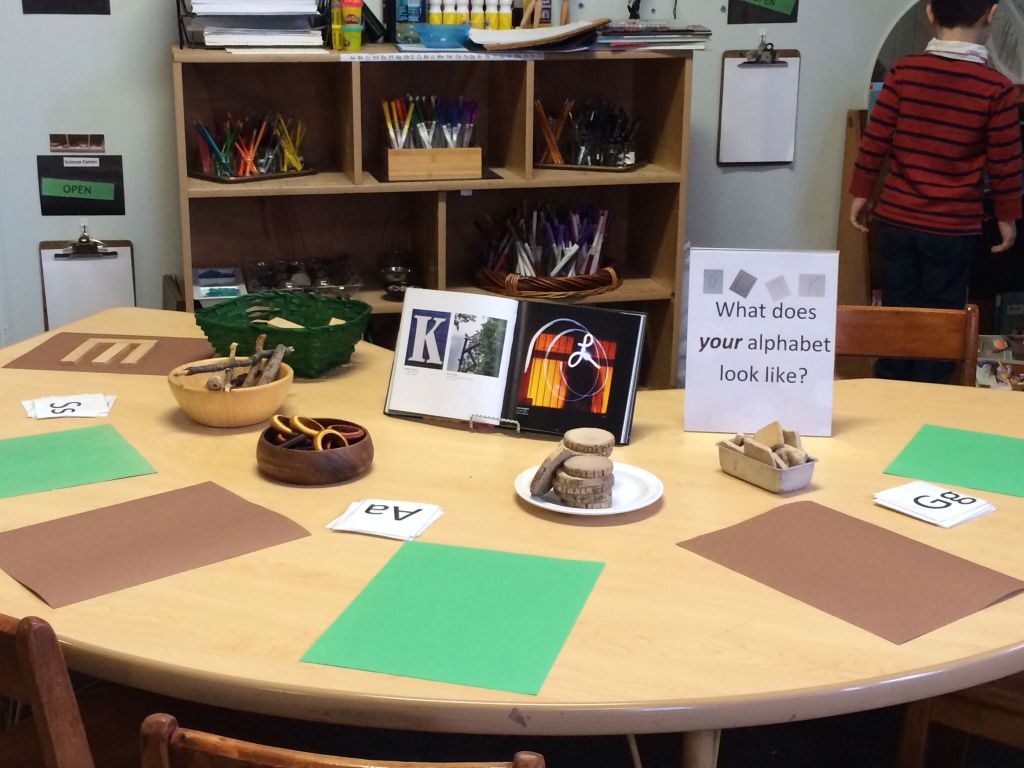
In the world of alternative education, there are many different approaches to fostering literacy and language development in young children. One approach that has gained popularity is the Reggio Emilia philosophy, which places a strong emphasis on using language as a tool for communication and expression. To learn more about how Reggio-inspired schools promote literacy…
-
Unlocking the Power of Eurythmy: Movement, Expression, and Education
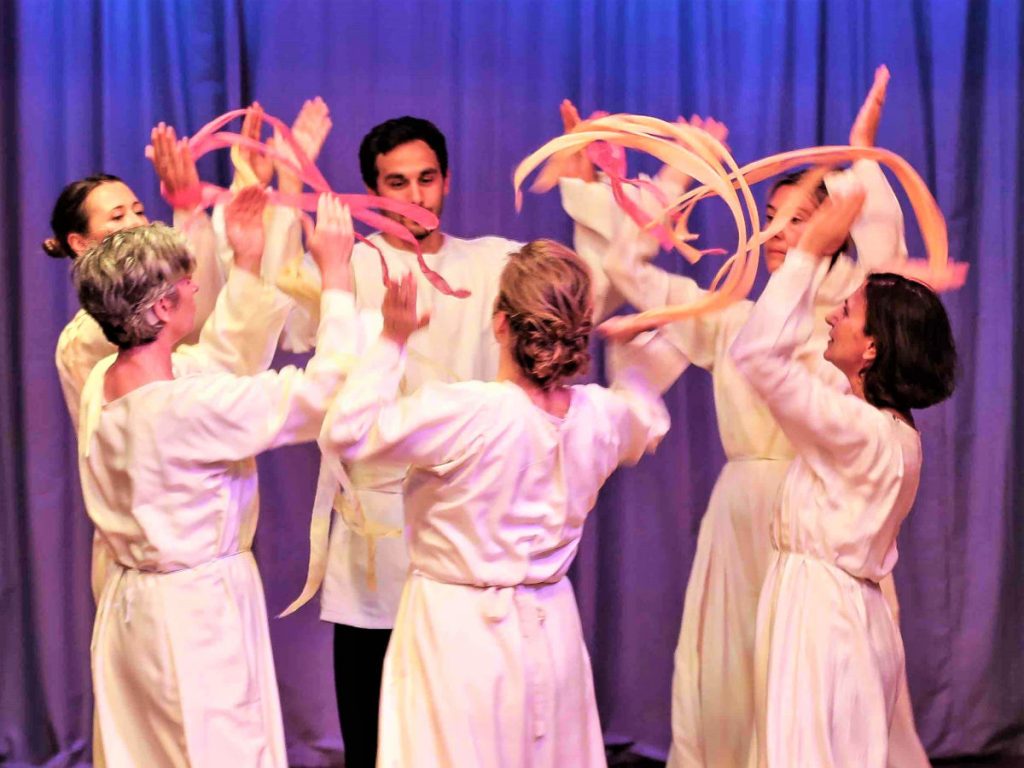
Welcome to our panel discussion on eurythmy, a unique form of movement and expression that has become increasingly popular in alternative schooling and education. Today, we have gathered a group of experts in the field to explore the benefits, challenges, and overall impact of eurythmy on students’ development. Before we dive into the discussion, let’s…
-
Empowering Boys in the Arts: Mentorship for Creativity and Expression
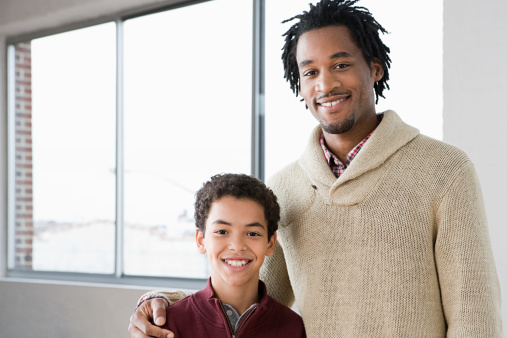
Mentorship for Boys in Arts and Humanities: Nurturing Creativity and Expression In today’s society, boys often face challenges when it comes to pursuing their passion for arts and humanities. Traditional gender stereotypes can discourage young boys from exploring creative fields, leading to a lack of representation in these areas. This is where mentorship plays a…
-
Unlocking the Power of Art: Fostering Creativity and Expression in Education

Arts: A Gateway to Creativity and Expression Introduction: Art is often regarded as a subject of secondary importance in traditional education systems. However, alternative schooling and education platforms recognize the immense value that arts bring to a child’s holistic development. Arts encompass a wide range of creative disciplines, including visual arts, performing arts, music, dance,…
-
“Universal Design for Learning: Creating Inclusive Classrooms for All Students”

Universal design for learning (UDL) is a concept that promotes inclusive education by providing students with different methods of accessing and learning content. It recognizes that every student has unique abilities, needs, and challenges, and aims to create flexible learning environments that are responsive to those differences. The UDL framework consists of three principles: representation,…
 Alternative Amie