Tag: experiential learning
-
“Connecting Students to Their Communities: The Benefits of Place-Based Education”

Place-based education, also known as place-based learning or community-based education, is an approach to teaching and learning that emphasizes the local environment and its relationship to individuals and communities. It is a way for students to connect with their surroundings and understand how they fit into the broader context of their community and beyond. In…
-
Experiential Learning: The Key to Engaging Students and Promoting Real-World Experience
Experiential learning activities have become increasingly popular around the world as an effective way to engage students in education and promote hands-on learning. Whether it’s through outdoor adventures, cultural immersion programs, or service-learning projects, experiential learning offers a unique opportunity for students to learn by doing and gain real-world experience. One example of this type…
-
Progressive Education Models: Revolutionizing the Way We Learn
Progressive Education Models: An Overview The education system has undergone significant changes over the years. In recent times, alternative schooling options have emerged as an alternative to traditional public schools. One of the most popular approaches is Progressive Education. Progressive education models focus on child-centered learning that emphasizes hands-on, experiential learning rather than rote memorization…
-
“Experience is the Best Teacher: The Benefits and Challenges of Experiential Learning”

Experiential learning is a very effective way of gaining knowledge and skills by actively engaging in real-life experiences. This method of education is becoming increasingly popular, especially in alternative schooling and education systems, as it provides students with hands-on learning opportunities that traditional classroom settings cannot replicate. The concept of experiential learning has been around…
-
The Power of Experiential Learning: Why Alternative Schools Embrace It
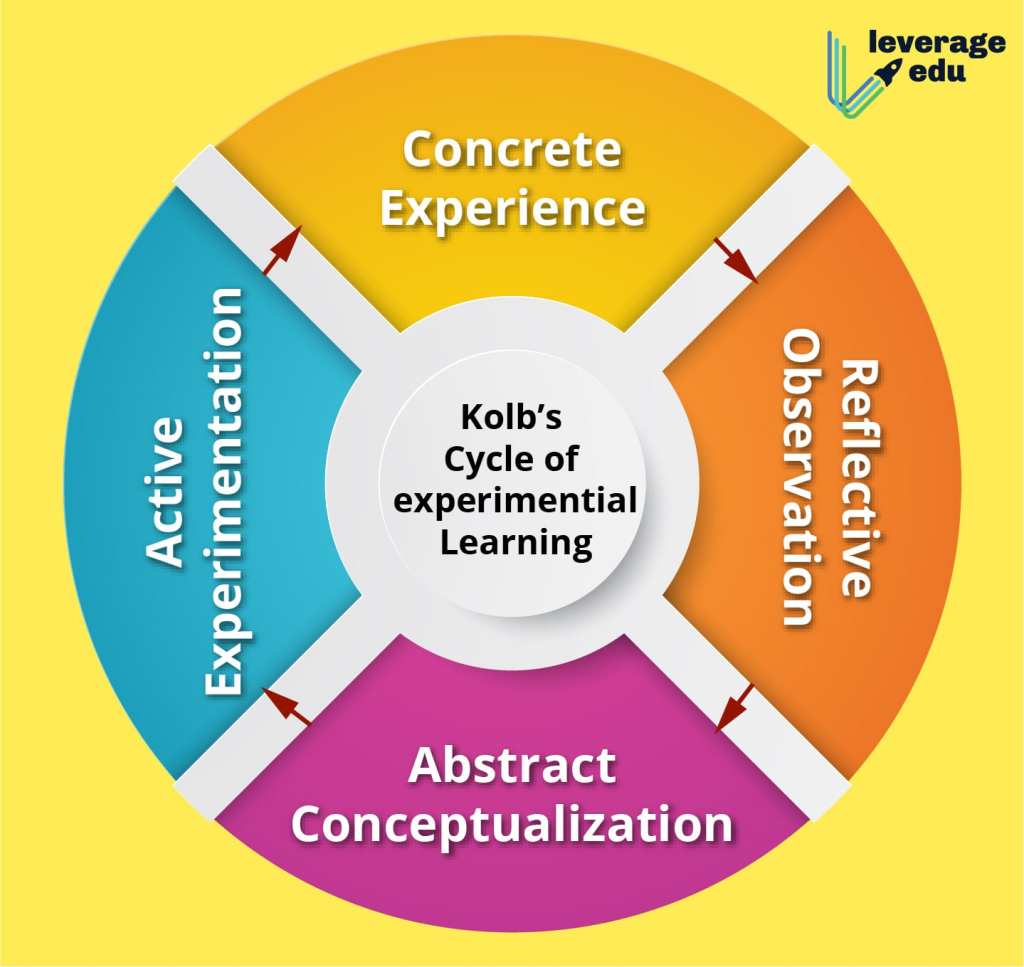
Experiential learning is a powerful way of education that emphasizes the importance of hands-on experiences, problem-solving, and critical thinking. This type of learning is based on the belief that people learn best by doing things themselves rather than just reading or listening to someone else’s experience. Alternative schools and educational programs have long embraced experiential…
-
Exploring Assessment and Evaluation Techniques in Waldorf Education
Waldorf education is an alternative educational philosophy that emphasizes the holistic development of a child through artistic, practical, and intellectual activities. One of the unique features of Waldorf education is its approach to assessment and evaluation methods. In this article, we will explore some common assessment and evaluation techniques used in Waldorf education. Observation-based Assessment…
-
“Beyond the Classroom: How Waldorf Schools Emphasize Financial Responsibility and Social Justice in their Operations”

Waldorf schools are known for their unique approach to education that emphasizes creativity, imagination, and holistic learning. This approach is not limited to the classroom; it extends to all aspects of the school community, including financial sustainability. In this post, we will explore five ways that Waldorf schools incorporate financial responsibility and social justice into…
-
“Experience the Difference: Experiential Learning Boosts Student Performance and Creativity”
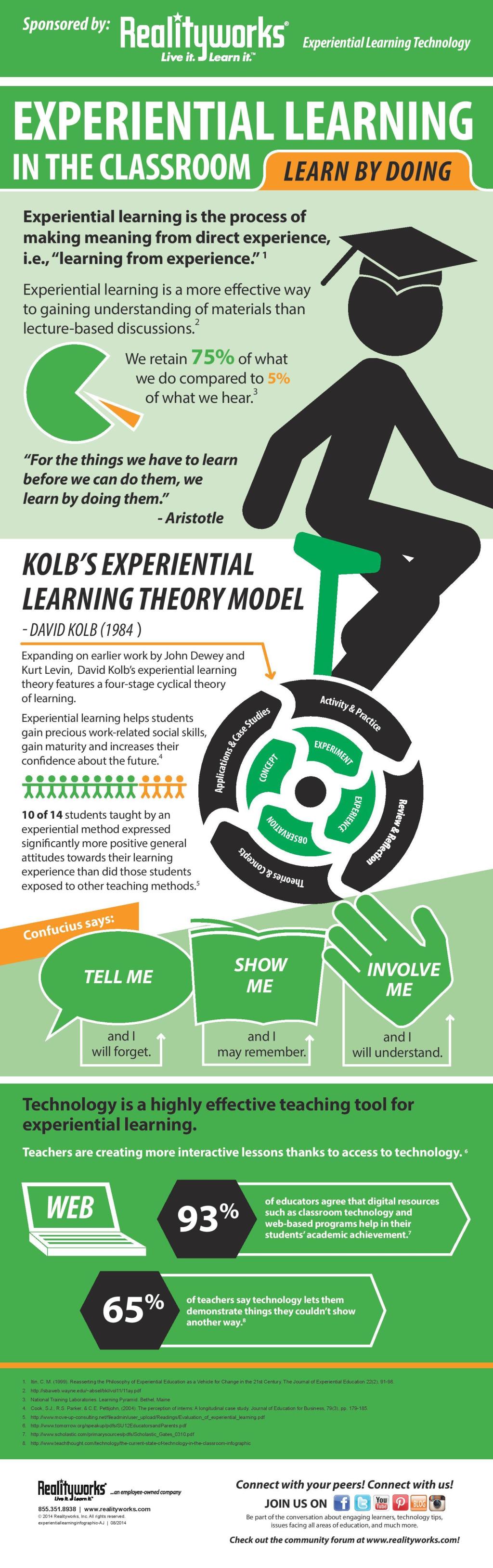
Experiential learning is a hands-on approach to education that emphasizes active participation and practical experience. Instead of just reading or listening about a subject, experiential learners engage with it directly, using their senses and intuition to explore and understand the world around them. Research has shown that experiential learning can be highly effective in improving…
-
“Experience Nature and Develop Life Skills: The Benefits of Outdoor Education for Students”
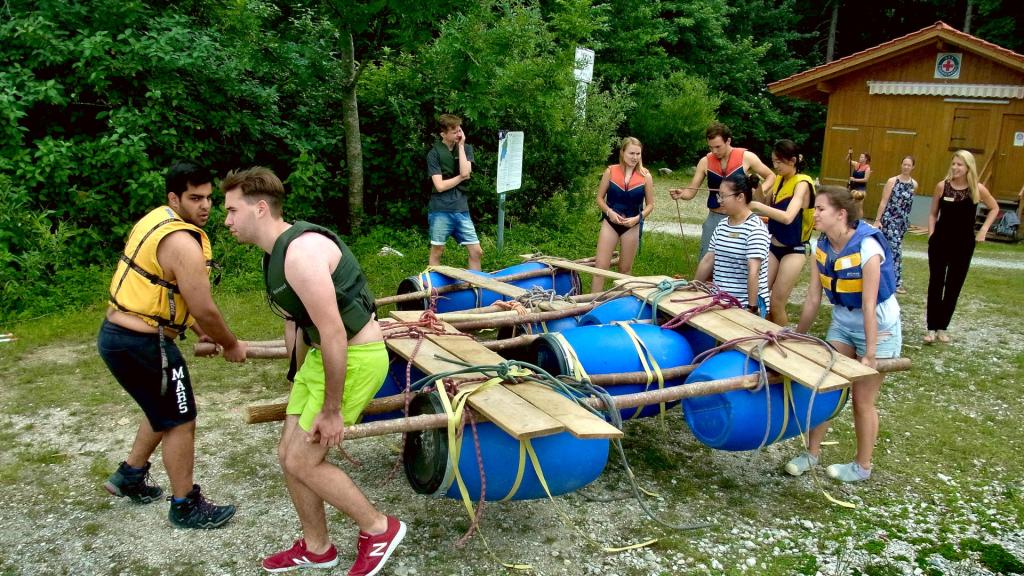
Outdoor education has been a significant part of alternative schooling and education for decades. It is an experiential learning approach that involves exploring the natural environment, engaging in physical activities, and developing essential life skills. The concept of outdoor education emerged during the 19th century when many educators realized that students could learn better by…
-
Why Narrative Assessments are Essential for Evaluating Student Growth in Alternative Education Settings
Narrative assessments are a form of evaluation that tells a story about the student’s learning and development. Unlike traditional forms of assessment, which focus on grades and test scores, narrative assessments provide more detailed insights into the student’s progress over time. In project-based learning (PBL), students engage in long-term projects that require them to apply…
 Alternative Amie