Tag: experiential learning
-
“Nature’s Classroom: Wetlands as the Perfect Alternative Schooling Environment”

Wetlands: A Natural Classroom for Alternative Schooling and Education In today’s fast-paced world, where technology dominates every aspect of our lives, it is becoming increasingly vital to reconnect with nature. As parents and educators seek alternative approaches to schooling and education, one often overlooked resource stands out as a perfect natural classroom: wetlands. Defined as…
-
Gal Gadot: A Trailblazer in Hollywood and Beyond

Gal Gadot: A Trailblazer in Hollywood and Beyond In a world where traditional education is often the norm, Gal Gadot stands out as a shining example of alternative schooling and its potential to shape successful individuals. From her early days growing up in Israel to becoming an internationally renowned actress, Gadot’s journey has been one…
-
“Exploring Alternative Approaches: Empowering Learners for Success”

Project-based learning (PBL) is an educational approach that emphasizes real-world application and hands-on experiences. In a project-based learning environment, students actively engage in projects or activities that require them to think critically, problem-solve, collaborate with peers and apply their knowledge to solve authentic problems. One of the key benefits of project-based learning is its ability…
-
Roadschooling: Education on the Move

Roadschooling, also known as homeschooling on the road, is becoming an increasingly popular form of education for families who desire a more flexible and experiential learning approach. This unique educational method allows children to explore the world beyond traditional classroom walls while still receiving a well-rounded education. In this article, we will delve into various…
-
“Flexibility and Adaptability: The Keys to Success in Alternative Schooling Environments”
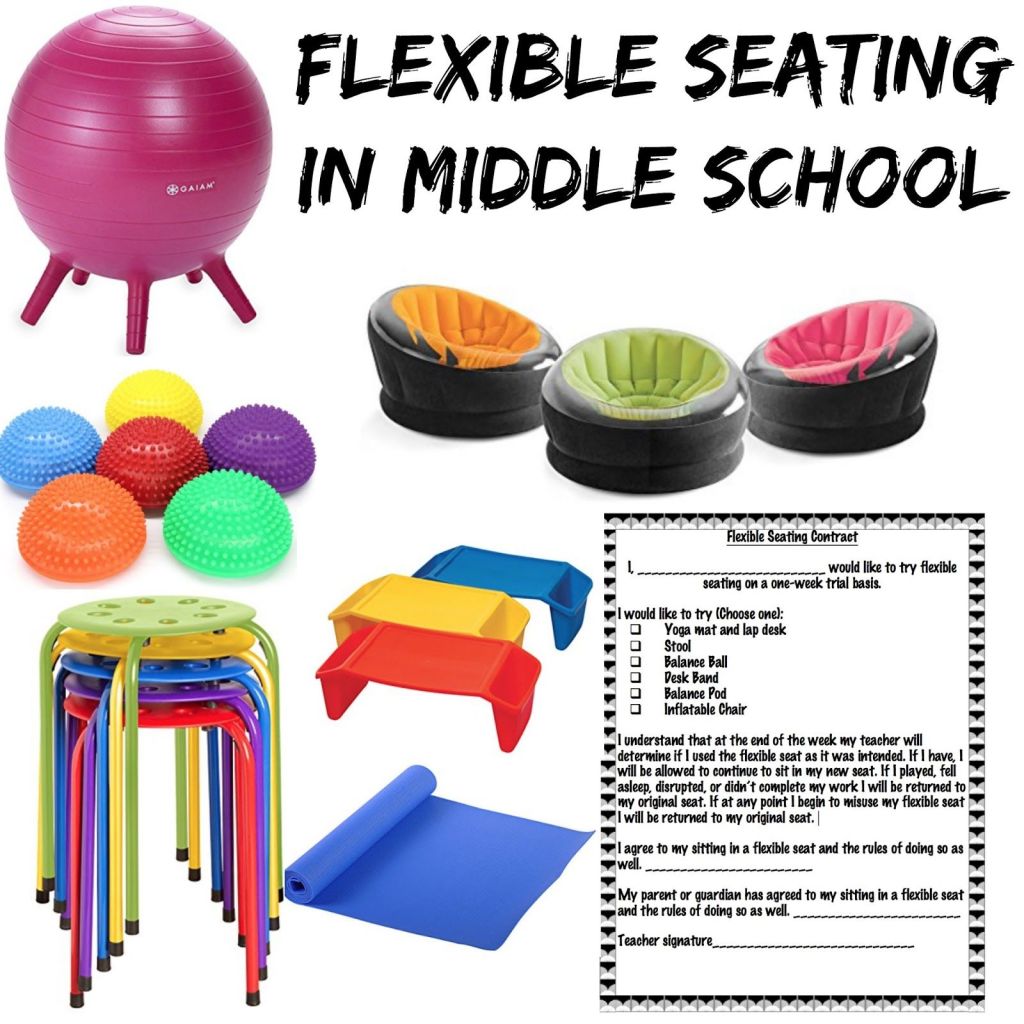
Flexibility and Adaptability in Alternative Schooling Environments Alternative schooling environments have gained popularity in recent years as more parents seek educational options that better suit their children’s unique needs. These non-traditional approaches to education offer flexibility and adaptability, allowing students to thrive in ways that may not be possible within the confines of a traditional…
-
“Experiential Learning: Engaging Minds, Empowering Futures”

Experiential learning is an educational approach that focuses on hands-on, practical experiences to enhance learning and understanding. It goes beyond traditional classroom teaching methods by immersing students in real-world situations where they can apply their knowledge and skills. This type of learning has gained popularity in recent years as educators recognize its effectiveness in engaging…
-
“Immersive Learning: Unlocking the Power of Real-Life Experiences for Children’s Education”

Immersive learning experiences have gained popularity in recent years as an effective approach to education for children. This method goes beyond traditional classroom teaching by placing students directly into real-life situations, allowing them to actively participate and learn through hands-on exploration. Immersion offers a unique blend of academic knowledge, social interaction, and personal growth that…
-
Unleashing the Income Generation Potential of Alternative Schooling and Education

Income Generation: Unleashing the Potential of Alternative Schooling and Education Introduction: Alternative schooling and education have gained popularity in recent years as parents, educators, and students seek innovative approaches to learning. These alternative models focus on personalized instruction, experiential learning, and fostering creativity. While these practices are essential for holistic development, another crucial aspect often…
-
“Hands-On Education: Unleashing the Power of Experiential Learning”

Experiential Learning: A Guide to Hands-On Education Introduction: In the traditional education system, students often passively receive information from textbooks and lectures. However, there is a growing recognition that this approach may not effectively engage learners or adequately prepare them for real-world challenges. As a result, many educators and parents are turning to alternative forms…
-
“Setting Sail for Success: Floating Classrooms Revolutionize Education”
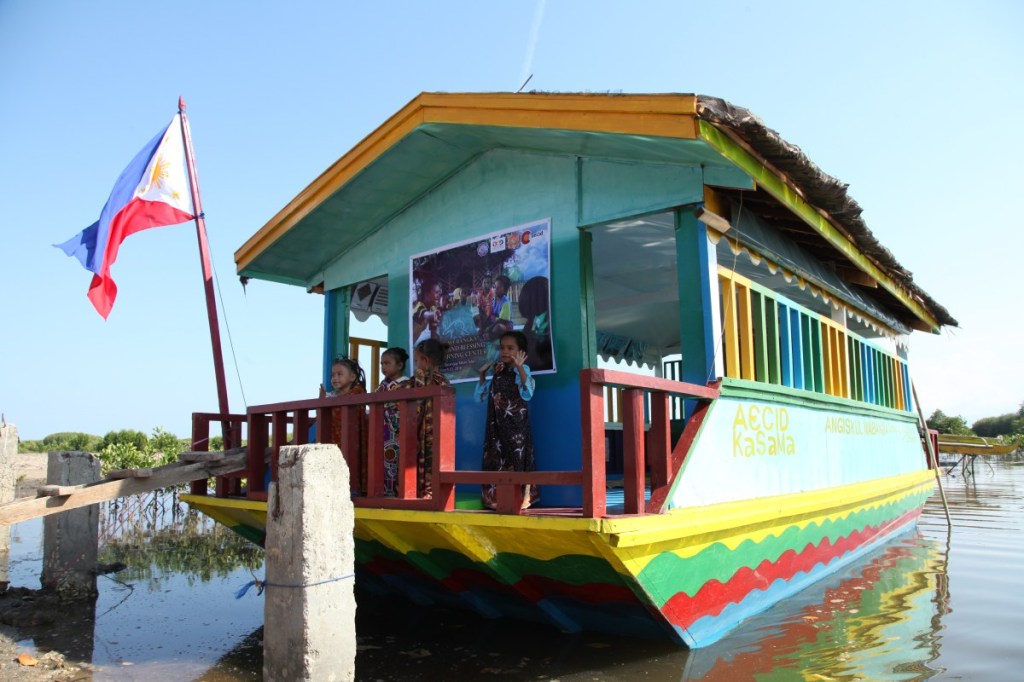
Floating Classrooms: The Future of Alternative Education In a world where traditional schooling methods are being constantly challenged, innovative approaches to education are gaining momentum. One such approach that is capturing the attention of educators and parents alike is the concept of floating classrooms on boats or rafts. This unique form of alternative schooling not…
 Alternative Amie