Tag: engagement
-
15 Reasons Why Project-Based Learning is the Future of Education

Project-based learning is a teaching method that emphasizes real-world problem-solving and application of skills. It engages students in the learning process by allowing them to explore topics, investigate questions, and create products or solutions. Here are 15 reasons why project-based learning is so effective: 1. Promotes Critical Thinking: Project-based learning encourages students to think critically…
-
Gamification in Education: Making Learning Fun and Engaging
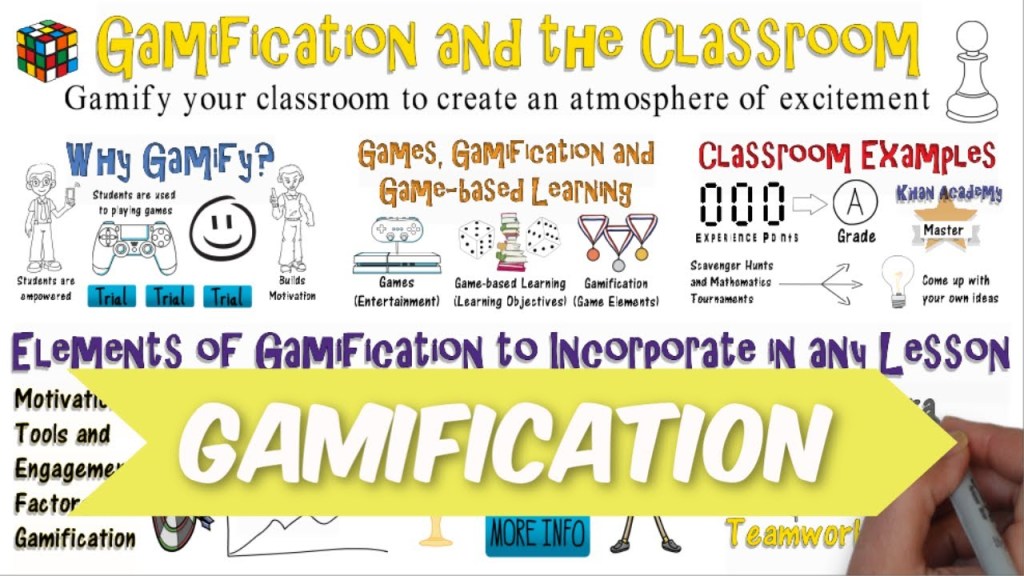
Gamification in Education: Making Learning Fun and Engaging Learning through play has been a concept known for centuries. It is an idea that children learn better when they are engaged in activities that interest them. As technology advances, gamification has become a popular trend in the education industry. Gamification refers to integrating game elements into…
-
Empowering Students: The Rise of Student-Led Conferences in Education

Student-led Conferences: A Powerful Tool for Alternative Education The traditional parent-teacher conference has been a staple of the American education system for decades. Parents and teachers gather to discuss the progress of students, with teachers providing feedback on grades, behavior, and academic performance. However, in recent years there has been a shift towards student-led conferences…
-
Game Design in Alternative Education: Engaging, Effective, and Accessible

Game Design: A Critical Look at its Use in Alternative Education Games have always been a source of entertainment and leisure, but their role in education has become increasingly important over the years. With the advent of technology, games have evolved into complex systems that can be used to teach a wide range of subjects.…
-
Flipped Classrooms: Revolutionizing Education with Personalized Learning and Collaboration

Flipped Classrooms: A New Approach to Education Flipped classrooms are an innovative approach to education that is quickly gaining popularity among educators, parents, and students. In a flipped classroom, the traditional model of teaching is turned upside down – instead of lectures being delivered in class and homework being done at home, students watch video…
 Alternative Amie